40 Tips for Camping With Kids for a Stress-Free Trip
We’ll hopefully be going on a family camping trip again soon, and we honestly can’t wait. We love getting out into the great outdoors and sleeping under the stars. Even though we really do love our home comforts, there’s something about all that fresh air and stepping away from everything for a couple of days that does wonders for our wellbeing. It’s also a great way to unplug from phones, screens and the busyness of daily life.

There’s always a long list of things to pack for a camping adventure, and it’s easy to forget something important – especially for the kids. So here’s a handy guide full of essential tips to make your family camping experiences smoother, more fun, and a bit less of a daunting task, whether it’s your first camping trip or your fiftieth.
40 Tips for Camping With Kids for a Stress-Free Trip
Camping preparation
1. Take Enough Warm Bedding
Even with warm weather in the day, nights in a tent can be cold. We’ve been camping when the days are absolutely boiling, but we were freezing in the middle of the night. If there’s one piece of camp gear you shouldn’t skimp on, it’s warm, cosy sleeping bags for everyone in the sleeping area. For first-time campers, it’s the best advice I can give – being cold all night, every night on holiday is not fun!
2. Bring the Right Shoes
Flip-flops or Crocs are a great option for quick toilet trips, but don’t forget proper footwear too. If you’re walking around state parks or exploring national parks, long pants and sturdy shoes help protect against thorns, nettles and even poison ivy in the US. For young kids, consider waterproof boots or wellies that can handle any weather conditions.
3. Prep a Meal for the First Night
Cooking at home before you leave is such a good idea. After a day of setting up tents and exploring new places, having something ready to heat (like a chilli) can save your sanity on the first night. If you’re into campfire cooking, bring marshmallows and skewers, but be cautious with any open flame near little ones.
4. Take Enough Chairs for Everyone
It’s always annoying when someone’s left without a seat. Folding camping chairs are a great way to ensure the whole family can gather comfortably around the fire pit or a picnic table for meals and games. Inflatable loungers or stools are also fun for kids – and make a comfy spot for nap time.
5. Be Flexible with Bedtime Routines
Camping is all about adapting to Mother Nature and going with the flow. Normal bedtime routines may go out the window, and that’s okay! Let the kids enjoy the novelty of a flexible routine – they’ll be knackered from all that running around and quality time in the fresh air, so they’ll probably sleep like logs when they finally crash.
Those later nights might even mean they just have a lie down on a blanket and then fall asleep – and nap time means you might get a bit of time to yourself, with a good book, too.
6. Pack Fun Activities
Pack card games, a ball, bikes, or even water guns for warmer days. If it rains, which it often does in the UK, games like Dobble, Uno or Monopoly Deal are perfect for passing the time in a tent. These little things can turn a soggy day into a fun camping trip. And let them bring their favourite toys, including a cuddly toy, too – it’s often the first thing they’ll ask for.
7. Dress in Layers and Waterproofs
The UK weather is unpredictable at best. Pack trousers, layers, and waterproof clothing for the whole family. If you’re camping in the shoulder seasons, snow suits for small children might even come in handy – better to be warm and dry than cold and grumpy.
8. Don’t Skimp on Wipes
Baby wipes, antibacterial wipes, and hand gel are lifesavers, especially when there’s no easy access to sinks. They’re ideal for wiping hands before meals or feet before bed – and they’re so useful in other ways as part of the camping lifestyle, too.
I do try to use wipes as little as possible when we’re at home, as I know they’re so bad for the environment (especially when not disposed of correctly), but I do think they’re pretty necessary when camping.
9. Bring the Wine (Responsibly!)
Cans of beer are easy to take in your coolbox (put them in the fridge at home first), and screw-top bottles of wine are easiest. Or you can get a box of white or rosé wine and freeze the inner bag from the box; it can start off as an extra ice pack in your coolbox, and it will mean the wine stays cold for longer, too!

10. Lighting is Essential
String up some fairy lights around the tent to make it magical and help kids to recognise your tent, and don’t forget battery-powered lanterns, torches and head torches for evening loo runs. Being well-lit helps avoid tripping hazards and keeps little kids feeling safe at night.x
11. Check the Weather Forecast
Always check the weather forecast before you go. Whether it’s sunhats and extra water or waterproofs and extra blankets, knowing what’s coming helps with your packing list. It also helps you decide if it’s going to be a weekend of car camping, a camping cabin, or even a rooftop tent if you’re trying something new.
Choosing your campsite
12. Choose a Family-Friendly Campsite
If you’re camping with children, it’s worth taking a little time to find a campsite that caters to families. Facilities like clean toilets, hot showers, washing-up areas, playgrounds and small campsite shops can make a huge difference, especially if you’re camping with younger children.
Reading reviews before you book can help you find sites with a friendly atmosphere and plenty of space for kids to run around and enjoy themselves. For first-time campers, having a few extra comforts can make the whole experience much more enjoyable.
In America, look for state parks, national forests, or KOA-style campgrounds (check out the official KOA app or use KOA AI for help). They often have facilities like toilets, camp stores, and picnic tables – making them a better choice for new campers or those with small children.
13. Look Out for Nature Trails and Activity Packs
Many family-friendly campsites, country parks and nature reserves offer activity trails, scavenger hunts and wildlife spotting sheets for children. Organisations like the National Trust, Forestry England and local wildlife trusts often have seasonal activities designed to help kids learn about nature while having fun. It’s a brilliant way to keep children entertained, encourage them to explore the outdoors, and turn your camping trip into a hands-on learning experience.
If you happen to be camping in the US, in North America, many national parks offer junior ranger programs – which are educational and interactive experiences kids will love. It’s a great opportunity for a hands-on learning experience about the natural world and wild animals.
14. Save with Smart Planning
Camping doesn’t have to cost a lot of money, especially if you plan ahead. Borrow or hire equipment before investing in expensive camp gear, particularly if it’s your first camping trip and you’re not sure how often you’ll use it. Look out for end-of-season sales, check Facebook Marketplace or charity shops for second-hand bargains, and see if friends or family have equipment you can borrow.
Booking your campsite well in advance can often save money too, particularly during the school holidays. It’s also worth taking as much food and drink with you as you can, as buying supplies from camp stores is usually much more expensive. A little planning before you leave can make a big difference to your budget without taking away any of the fun.
15. Don’t Forget These Extras
- Water bottles for everyone (especially insulated ones)
- Bug spray or mosquito-repellent bracelets
- A portable crib or baby carriers if you’re camping with a baby or toddlers
- A stash of extra water for drinking, cleaning, or emergencies
- A backup power bank for phones, lights or electric pumps
- Fireproof blanket if planning a camp fire
- A waterproof poncho or jacket that you can chuck on quickly for each of you
Mindset and expectations
16. Embrace the Chaos
One thing I’ve learned about camping with kids is that something will probably go wrong. Somebody will get muddy, somebody will forget where they put their torch, and somebody will definitely need the loo five minutes after you’ve got comfortable. It’s all part of it, though, and sometimes the things that go wrong end up being the funniest memories.
17. Don’t Overfill Your Days
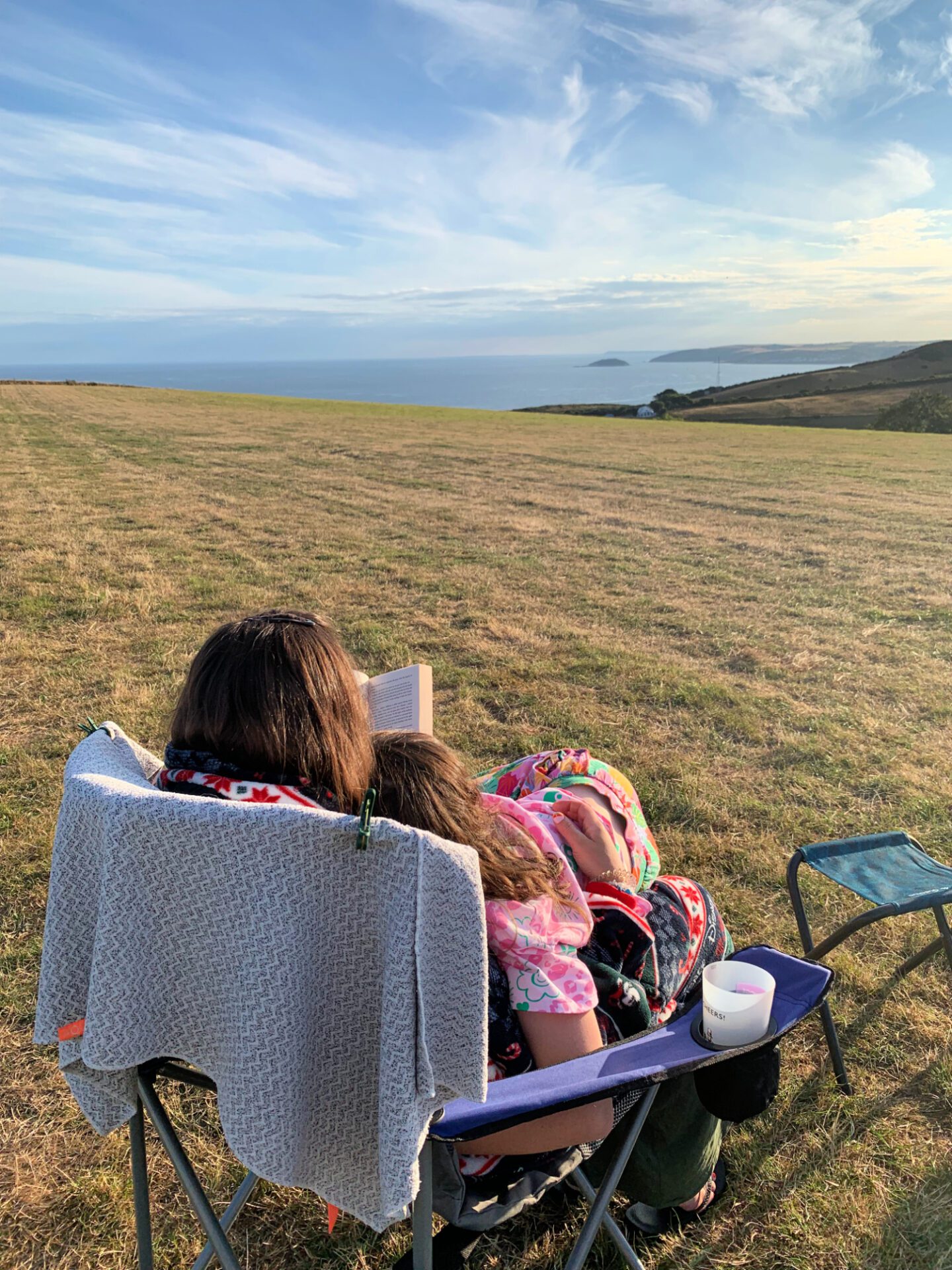
Some of our best family camping experiences have happened when we’ve simply spent the day pottering around the campsite rather than rushing from activity to activity. When you’re outside, there’s so much you can do with kids – playing with a bat and ball, playing board games, sitting with a book and enjoying the fresh air – camping is so fun when you’re just chilling out together.
18. Lower Your Expectations Slightly
You might not sleep brilliantly. Some of you might wake up really early. It might rain. The tent will end up looking chaotic. That’s all completely normal and doesn’t mean you’re not having a great time – just try to embrace it and go with the flow.
19. Remember Why You’re There
Along the same lines, when you’re tired or dealing with wet towels and muddy shoes, it’s worth remembering why you booked the trip in the first place. Camping gives you quality time together, lots of fresh air, and the memories you make as a family.
Enjoying the outdoors
20. Let the Kids Explore
One of the best things about camping is watching children entertain themselves outdoors. Younger kids can spend ages collecting sticks, looking at bugs or just wandering around the campsite chatting to people. It’s a lovely reminder that they don’t always need expensive activities to have a great time.
21. Take Time to Look Around
Camping is a lovely opportunity to slow down and appreciate the natural world. Whether you’re staying near national parks, national forests or simply a local campsite, encourage children to notice birds, insects, plants and wildlife.
22. Make Friends With Your Camping Neighbours
One of the nicest things about family camping trips is how friendly most people are. Kids often find new friends within minutes, and parents usually end up chatting too. Don’t let this put you off if it’s not your thing, though – I’m not one who wants to make new friends when we’re away, but chatting to people when you’re camping is (usually!) nice.
23. Make the Most of Campfires
If your campsite allows them, sitting around a fire pit at the end of the day is one of the best things about camping. Toast marshmallows, chat, stay warm, and enjoy being together without distractions.

Keeping children happy
24. Pack a Couple of Surprises
I always think it’s worth throwing in a new colouring book, magazine or small toy that the kids haven’t seen before. It doesn’t have to cost much, but it’s brilliant to pull out if the weather turns bad or everyone gets a bit fed up.
25. Pack More Snacks Than You Think You’ll Need
For some reason children seem to be hungry all the time when they’re camping. Having plenty of snacks to hand can prevent a lot of grumpiness later in the day.
26. Give Everyone Their Own Torch
Kids absolutely love having their own torch. It gives them a bit of independence and means they’re not constantly borrowing yours. A headtorch is especially brilliant for kids (and adults), as it keeps their hands free.
27. Bring Something Familiar From Home
A favourite blanket, teddy or pillow can make a big difference, especially for younger children who are sleeping somewhere unfamiliar.
28. Download Entertainment Before You Leave
I love getting away from tech, but having a few films, Kindle books, audiobooks or podcasts downloaded can be a lifesaver if you get a day (or more!) of relentless rain.
Setting up camp
29. Let the Kids Help Set Up
Kids love feeling useful, and even quite young children can help inflate air beds, carry sleeping bags into the tent, or organise the sleeping area. It takes a bit longer, but it’s all part of the camping adventure.
30. Arrive With Plenty of Daylight
Trying to set up camp in the dark with tired children is nobody’s idea of fun. If possible, give yourself enough time to get organised before the sun starts to go down.
31. Have a Designated Shoe Spot
A small thing, but it saves so much hassle. Everyone knowing where their shoes are is particularly helpful when somebody suddenly needs the toilet in the middle of the night. Plus it limits (hopefully!) everyone walking muddy footprints all over the tent.
32. Keep a Change of Clothes Easily Accessible
Don’t bury spare clothes at the bottom of a bag. Mud, puddles, ice cream and mysterious camping messes happen surprisingly often.
33. Pack Bin Bags
Bin bags are useful for rubbish, muddy clothes, wet towels, emergency rain protection and about fifty other things you won’t think of until you need them.
34. Bring a Washing-Up Bowl
A washing-up bowl is useful for everything from washing dishes to carrying toys, soaking muddy shoes, or even creating an emergency paddling pool if it’s boiling hot. A collapsible washing-up bowl is particularly good as it takes up less room when packing up the car.
Food and comfort
35. Keep Breakfast Simple
Nobody really wants to spend ages cooking first thing in the morning. We tend to keep breakfast easy when we’re camping so we can get on with enjoying the day. Cereal, pastries, fruit and coffee work perfectly. Although it’s always nice to have a fry-up one day if you’re taking cooking equipment (a fry-up also makes a great camping dinner!).
36. Take a Hot Water Bottle
This is especially useful if you’re camping in spring or autumn. A hot water bottle can make cold nights much more comfortable for both adults and young kids as the temperature often drops overnight, even in summer. If you fill the water bottles half an hour before bedtime and put them into beds, it makes getting into PJ’s and a chilly bed much more bearable!
37. Keep a Basic First Aid Kit Handy
Hopefully you’ll never need it, but it’s reassuring to have a first aid kit with plasters, antiseptic wipes and pain relief close by just in case.
38. Expect the Weather to Change
Even if the weather forecast looks perfect, pack for rain or bad weather anyway. British weather likes to keep us on our toes.
Enjoying the experience and creating memories
39. Take Lots of Photos – But Put Your Phone Away Too
I always want to take pictures because camping trips make such lovely memories, but I also try not to spend the whole weekend looking through a screen. The photos are nice to have, but actually being present is even better, so do a bit of both.
40. Don’t Worry Too Much About Dirt
The kids are going to get muddy – they are probably going to get very muddy. That’s part of the fun and one of the reasons camping is such a great outdoor experience. So again, try to embrace it even if you’re normally a bit of a clean freak – the kids will love it.
Whether it’s your first camping trip or you’re seasoned pros, camping with the entire family is such a rewarding outdoor experience. Camping with kids isn’t always perfect, and that’s honestly part of the charm. It can be hard work at times, and there will almost certainly be moments when at least one of you is tired, muddy or asking for snacks for the tenth time that day. But it’s also one of the best ways to spend quality time together as a family – getting outside, making memories and enjoying a bit of adventure together. I love it so much and can’t wait to do it again with my family soon.
The important thing isn’t having the perfect setup or remembering every single item on your packing list. A fun camping trip doesn’t have to be perfect – just full of fun, adventure, marshmallows and creating lasting memories together.
Do you have any favourite family camping tips to share? I’d love to hear them in the comments!
Read more: