A Beginner’s Guide to Camping
Camping has seen a resurgence in popularity in the UK, with many people embracing the opportunity to connect with nature, improve their mental and physical well-being, and enjoy affordable getaways. According to recent statistics, 47% of UK adults have gone on a camping or caravanning holiday in the past three years.
The simplicity and adventure of camping offer a refreshing break from the realities of daily life, making it an attractive option for families, couples, and solo travellers alike.
This guide will provide essential tips and advice to help beginners embark on their first camping adventure with confidence.
Choosing the right gear
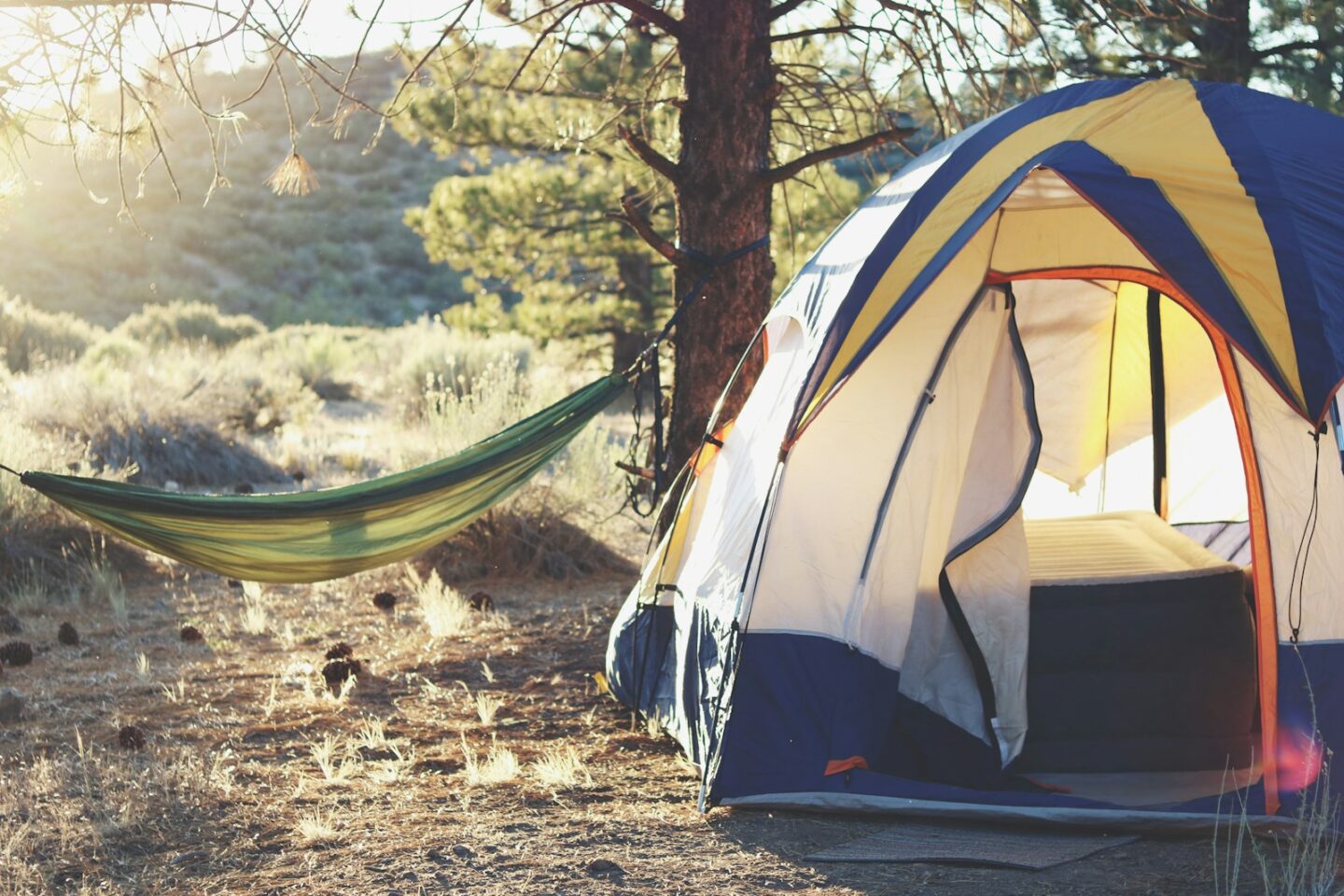
Selecting the right equipment is crucial for a comfortable and enjoyable camping experience. Firstly, choosing a tent that suits your needs is essential. Consider the number of people, weather conditions, and ease of setup.
Dome tents are versatile and easy to pitch, while cabin tents offer more space and comfort for families. For sleeping, invest in a sleeping bag rated for the temperatures you’ll encounter and a sleeping pad for insulation and comfort.
When it comes to cooking, a portable stove, lightweight cookware, and utensils are must-haves. Don’t forget to pack a cooler for perishable food items and a reliable water filtration system if you’re camping in remote areas.
For clothing, dress in layers to adapt to changing climates, and ensure you have waterproof and sturdy footwear for hiking and exploring your surroundings.
Planning your trip
Proper planning can make your camping trip smooth and enjoyable. Start by researching campsites in advance, considering factors like location, amenities, and accessibility.
It’s also important to understand the regulations and obtain any necessary permits, especially if you plan on wild camping. Explore the options when it comes to RV parks or campsites, both locally to you and abroad if you want to travel further afield.
Create a checklist of must-have items, including a first aid kit, navigation tools (maps, compass or GPS), and personal hygiene products, to ensure you’re well-prepared.
Setting up camp
Setting up your campsite efficiently can enhance your camping experience. Choose a flat, shaded spot to pitch your tent, clearing the area of rocks and debris before setting up. Follow the manufacturer’s instructions to secure the tent properly.
If you’re using a campervan, it’s important to take out appropriate campervan insurance to make sure you’re well-protected during your travels. This covers you for any mishaps on the road and provides peace of mind.
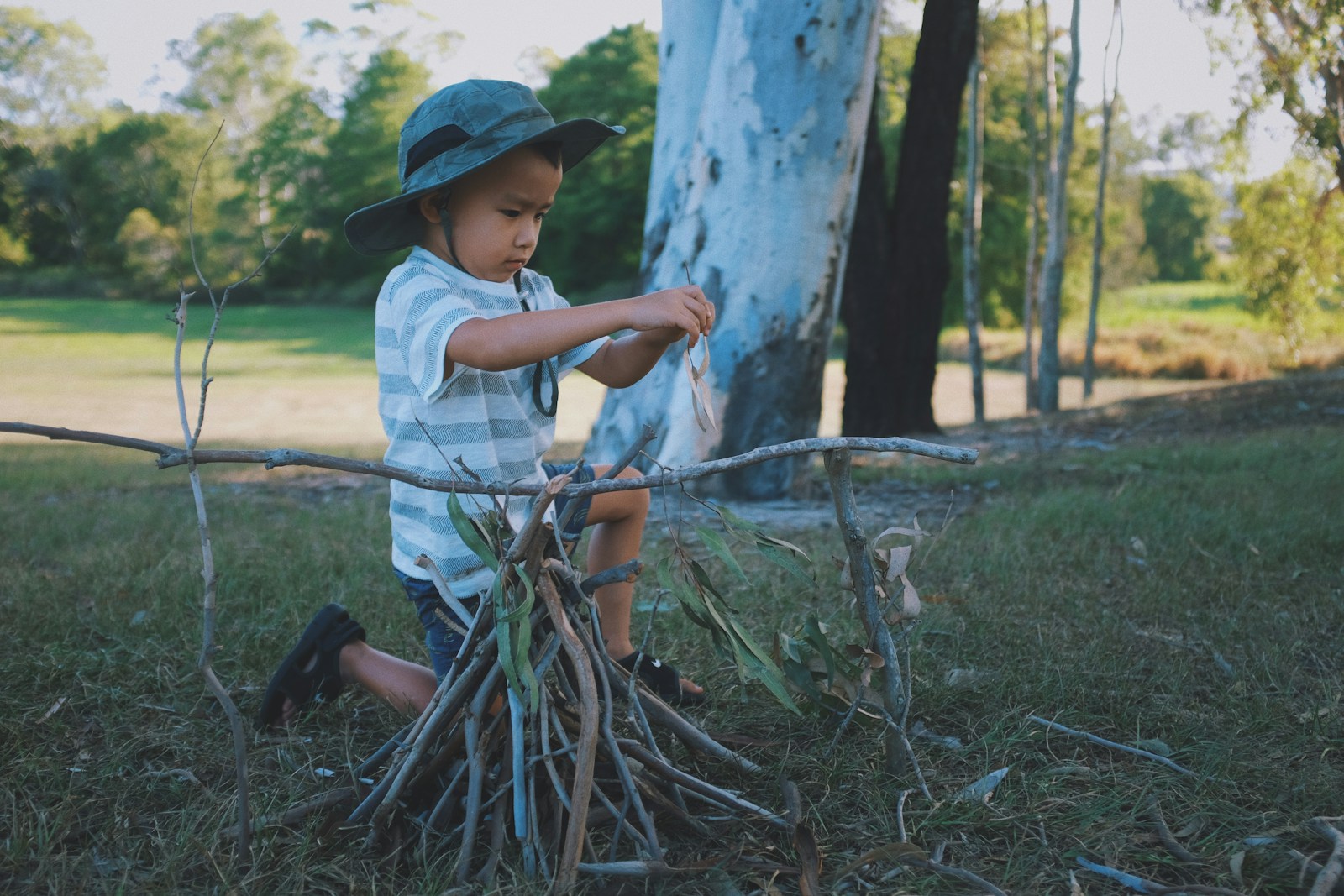
Campfire safety is paramount. Build your fire in a designated fire pit if available, and keep a bucket of water and a shovel nearby to extinguish the fire completely before leaving the site, especially if you are wild camping.
Camp activities and entertainment
Camping offers a variety of activities to enjoy. Engage in outdoor recreation like hiking, fishing, swimming, and birdwatching. It’s worth researching trails and local attractions before your trip to make the most of the area.
Bring along games like frisbee, cards, or a portable board game to keep entertained during downtime. Take the time to explore the natural surroundings, identify plants and wildlife, and perhaps even practice some nature photography.
Leave no trace principles
Respecting the environment ensures that natural spaces remain beautiful and accessible for future generations. Follow the ‘Leave No Trace’ principles, which include planning ahead, disposing of waste properly, and leaving what you find.
Pack up all rubbish, including food scraps, and use biodegradable soap to avoid contaminating water sources. Observe animals from a distance and do not feed them, keeping your campsite clean to avoid attracting wildlife.
This is a collaborative post.