What is Wild Camping: Everything You Need to Know
Wild camping, often synonymous with freedom, adventure, and a profound connection with nature, is a popular way to experience the great outdoors away from the hustle and bustle of established campgrounds. For many, it means finding a remote location, setting up camp, and immersing oneself in the natural environment, whilst enjoying some quality time with your friends or family if you’re not going it alone.
This comprehensive guide will cover everything you need to know about wild camping for the first time, from legal considerations to practical tips, and will help you plan a successful wild camping trip.
What is Wild Camping?
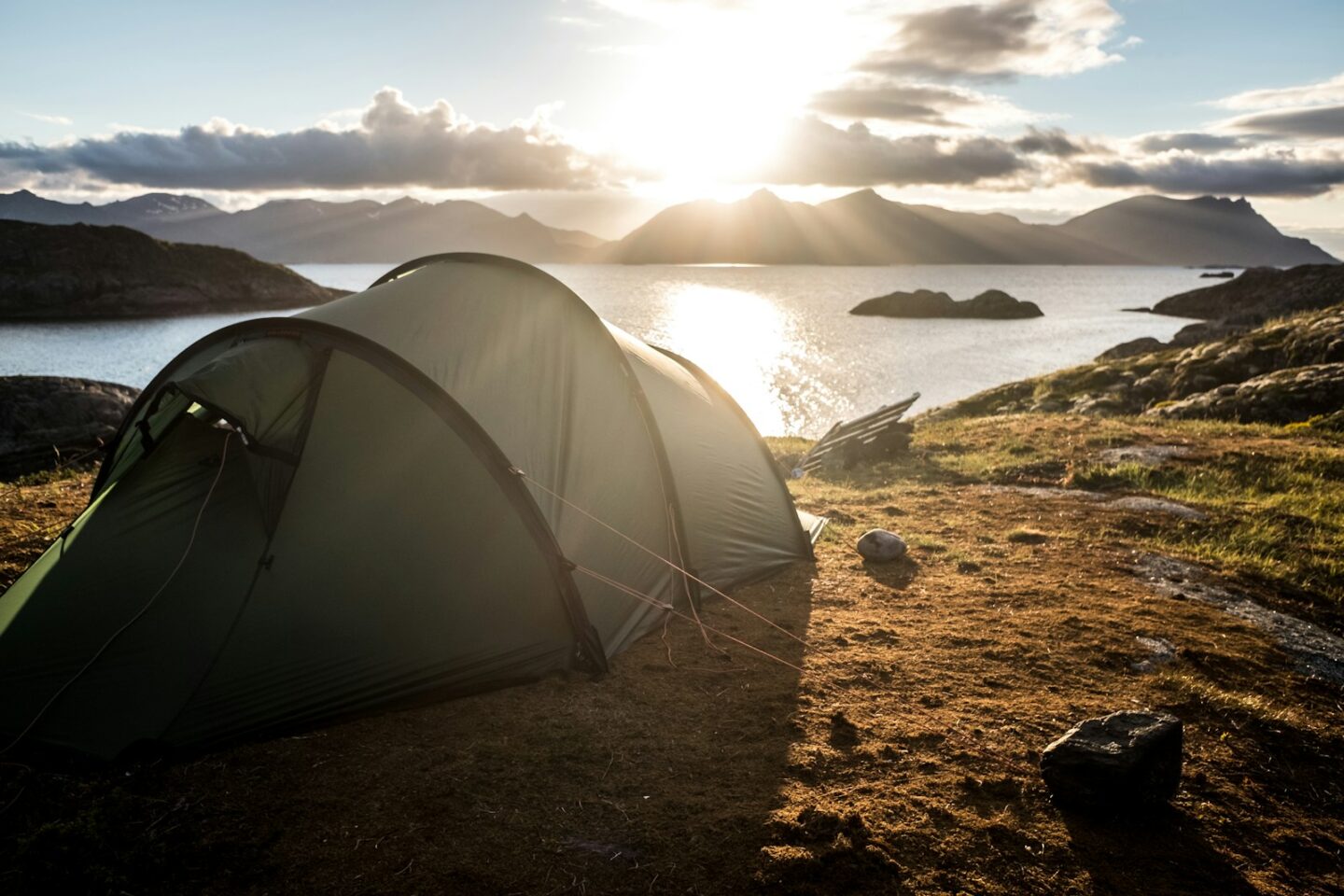
Wild camping refers to camping outside of designated campsites, typically in remote or less accessible locations. Unlike normal camping, which takes place in established campsites with amenities, wild camping offers a more rugged and solitary experience, often in the middle of nowhere. Wild campers seek out secluded spots in national parks, national forests, public lands, and private land with the landowner’s permission. Wild camping is not always free camping but it can be.
Legal Considerations
United Kingdom
The legalities of wild camping vary significantly depending on the country and even the region within a country. In the United Kingdom, wild camping rules can be complex and differ between England, Scotland, and Wales.
England and Wales: Wild camping is generally not allowed without the landowner’s permission. However, there are some exceptions, particularly in more remote areas like the Lake District and Dartmoor National Park. Dartmoor, for instance, allows wild camping in certain areas, provided you follow specific guidelines and bylaws.
Scotland: Scotland offers some of the most permissive wild camping laws thanks to the Scottish Outdoor Access Code, which allows responsible wild camping on most unenclosed land. However, there are still areas with restrictions, such as certain areas of Loch Lomond and The Trossachs National Park.
Other Countries
Different countries have different rules for wild camping:
United States: In the U.S., wild camping is often referred to as “dispersed camping” and is allowed on most Bureau of Land Management (BLM) lands and in national forests. However, rules can vary by state and even by specific forest or BLM district. Always check local laws and regulations.
New Zealand: Known for its stunning landscapes, New Zealand allows “freedom camping” in many places, but there are strict guidelines to protect the natural environment. Some areas require a camping permit.
Scandinavia: Countries like Sweden, Norway, and Finland have some of the most liberal access rights under the concept of “Allemansrätten” (the right of public access), allowing wild camping with certain restrictions to respect nature and private land.
Choosing a Suitable Location
Finding a suitable wild camping spot is crucial for a safe and enjoyable experience. Look for locations that offer natural beauty, solitude, and safety. Here are some tips to find the best spots:
National Parks and Forests: Many national parks and forests allow wild camping, but always check the specific regulations. Popular spots in the UK include the Lake District and Dartmoor National Park. In the U.S., national forests and BLM lands are ideal.
Coastal Areas: Coastal wild camping can be breathtaking, but be mindful of tides and weather conditions. Ensure you’re not camping on private land without permission.
Remote Areas: Seek out remote locations away from the beaten track to ensure privacy and minimal impact on the environment.
Water Sources: Camp near water sources for convenience, but not too close to avoid contamination and flooding risks.
Essential Gear for Wild Camping
When preparing for a wild camping adventure, packing the right gear is essential. Here’s a list of must-have items:
Sleeping Bag: Choose a sleeping bag appropriate for the climate and season. A good quality sleeping bag will keep you warm and comfortable through the night so that you can get a good night’s sleep.
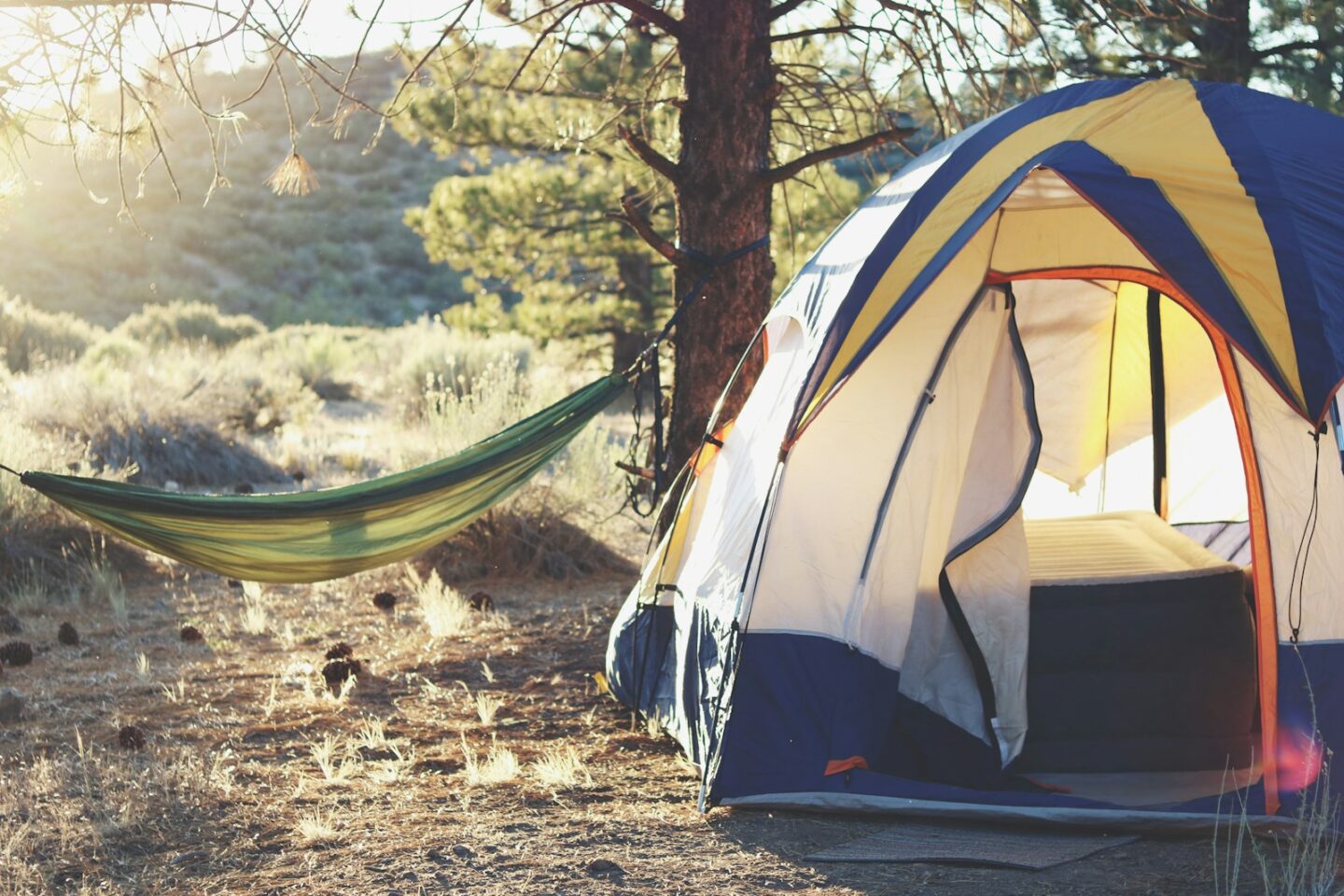
Tent or Shelter: A high-quality tent that is also lightweight, or a bivvy bag or tarp if you are not using a tent is essential for protection against the elements. A bivvy bag is a great alternative to carrying a heavy tent and putting it up and down if it is safe and warm enough to do so. A bivvy bag is like a waterproof jacket for your sleeping bag to keep wind and rain off.
Camping Stove: A portable camping stove is crucial for cooking meals. Open fires are often prohibited due to fire risks. So don’t think you can get away with building an open fire because you’re in a secluded area – it could quickly become dangerous.
Water Filter: Clean drinking water is a priority. A water filter or water purification tablets can make water from natural sources safe to drink.
First Aid Kit: A comprehensive first aid kit is essential for treating minor injuries and emergencies.
Insect Repellent: To protect against insects, especially in warmer climates.
Toilet Paper and Trowel: For responsible disposal of human waste. Always follow the Leave No Trace principles. It’s also a good idea to take some wet wipes but make sure you take them with you when you leave.
Map and Compass: Essential for navigation in remote areas where mobile phone service may be unreliable.
Head Torch: A head torch is invaluable for hands-free lighting, whether setting up camp in the dark or navigating at night.
Light: A reliable light source, such as a compact LED lantern, is important for illuminating your campsite and creating a safe and comfortable environment. A little light will also help you find what you need inside your tent.
Bear Canister: If you’re camping in bear country, a bear canister is crucial for storing food securely and keeping wildlife at a safe distance.
Rucksack: You’ll need a good-quality backpack to keep all of your belongings safe and dry. Go for a waterproof one that will keep your gear safe overnight from any leaks or pests. You can find a range of quality rucksacks at Outdoor Adventure Store, if you want a starting point.
Practical Tips for Wild Camping
Finding a Wild Camping Spot
Arrive Early: Give yourself plenty of daylight to find a suitable location and set up camp.
Check Local Laws: Always research the local laws and regulations regarding wild camping in the area you plan to visit.
Avoid Private Land: As a general rule, unless you have explicit permission from the landowner, avoid camping on private land.
Respect Nature: Choose a durable surface for your camp to minimise environmental impact.
Setting Up Camp
Safety First: Ensure your campsite is safe from natural hazards like falling branches or flooding.
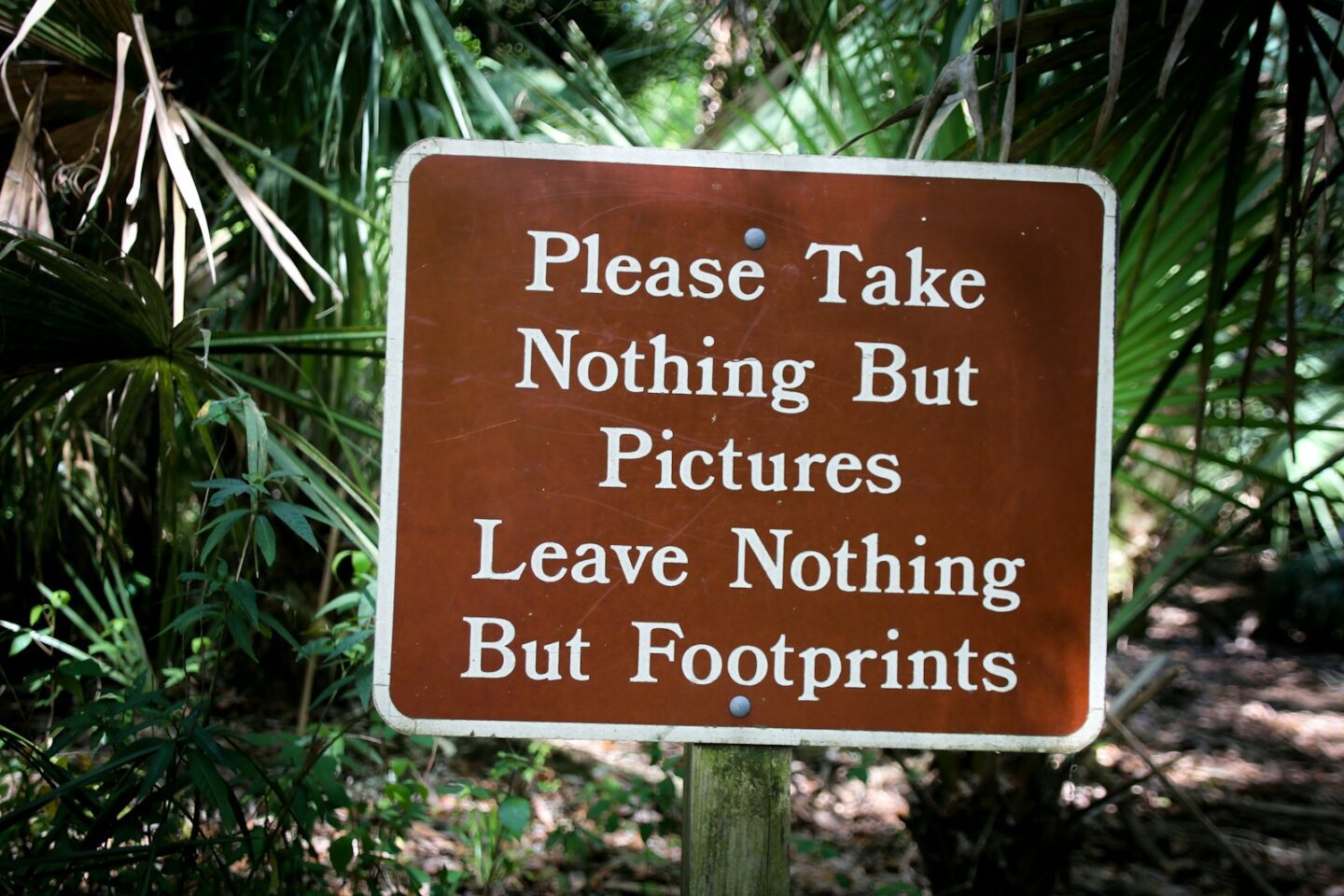
Leave No Trace: Follow the Leave No Trace principles, which include packing out all trash, minimising campfire impact, and respecting wildlife.
Human Waste: Dispose of human waste properly. Use a trowel to dig a small hole at least 200 feet from water sources and trails.
Staying Safe
Weather: Always check the weather forecast before heading out and be prepared for sudden changes.
Navigation: Bring a map, compass, or GPS device to avoid getting lost.
Communication: Inform someone about your plans and expected return time.
Wild Camping Etiquette and Best Practices
Wild camping means embracing a certain code of ethics to ensure that the natural environment remains pristine for future generations. Here are some best practices:
Respect Wildlife: Keep a safe distance from wildlife and do not disturb their natural habitats.
Quiet Camping: Keep noise levels to a minimum to preserve the tranquillity of the outdoors.
Fire Safety: If campfires are allowed, use established fire rings, and ensure the fire is completely extinguished before leaving.

Popular Wild Camping Destinations
United Kingdom
Dartmoor National Park: Known for its permissive wild camping bylaws, Dartmoor offers vast, rugged landscapes perfect for wild camping.
Lake District: With its stunning lakes and mountains, the Lake District is a favourite among wild campers. Remember to camp high and away from valleys and farmed land.
Cairngorms National Park: This park in Scotland provides a true wilderness experience with its expansive areas and diverse wildlife.
United States
Sierra Nevada: The Sierra Nevada mountain range in California offers numerous opportunities for dispersed camping in its national forests.
Rocky Mountains: The Rockies provide stunning scenery and remote locations ideal for wild camping.
Europe
Norway: With its right-to-roam laws, Norway allows wild camping almost anywhere, offering breathtaking fjords and mountainous terrains.
Iceland: Known for its dramatic landscapes, Iceland permits wild camping with some restrictions to protect the environment.
Wild Camping Challenges
Wild camping comes with its own set of challenges that require preparation and resilience.
Weather Conditions
Weather can be unpredictable, especially in mountainous regions. Always carry appropriate gear for rain, wind, and temperature drops.
Water Sources
While camping near water sources is convenient, not all natural water is safe to drink. Always use a water filter or purification tablets.
Human Waste
Managing human waste is crucial for environmental health. Use a trowel to dig a cathole for waste, and pack out used toilet paper in sealed bags.
Wildlife
Wild animals can be both a wonder and a challenge. Store food securely and follow local guidelines to avoid attracting wildlife to your campsite.
Responsible Wild Camping
Responsible wild camping is about minimising your impact on the environment and respecting local communities and wildlife. Here are some key principles:
Pack It In, Pack It Out: Take all your rubbish with you, leaving no trace behind.
Stay on Durable Surfaces: The best places to camp are on durable surfaces like rock, gravel, or dry grass to avoid damaging the environment.
Respect Other Campers: It is good practice to maintain a respectful distance from other campers to ensure privacy and tranquillity for everyone.
Wild Camping Tips
Leave No Trace
Campsite Selection: Choose previously used sites to minimize your impact on untouched areas.
Waste Disposal: Pack out all trash, including food scraps and biodegradable items.
Fire Management: Use a stove instead of a campfire, or if fires are allowed, use established fire rings.
Lightweight Packing
Ultralight Gear: Invest in ultralight gear to reduce your pack weight.
Multi-Use Items: Choose items that serve multiple purposes to save space and weight.
Minimalist Approach: Only pack what you truly need to reduce your load.
Enhancing Comfort
Sleep System: Invest in a high-quality sleeping pad and pillow for better sleep.
Camp Furniture: Consider a lightweight camp chair or hammock for added comfort.
Warmth: Use a sleeping bag liner for extra warmth and versatility.
Enhancing Your Experience
Photography: Bring a camera to capture the beauty of your surroundings.
Wildlife Watching: Carry binoculars and a field guide to identify local wildlife.
Stargazing: Pack a star chart or app for nighttime stargazing.
Wild camping offers a unique and immersive way to connect with nature, providing solitude, adventure, and a chance to explore remote areas. However, it requires careful planning, respect for the environment, and adherence to local laws and guidelines.
Whether you’re venturing into the national parks of the United Kingdom, exploring the national forests of the United States, or experiencing the freedom of the Scandinavian wilderness, wild camping can be a rewarding and memorable experience. By following the tips and advice in this guide and using some common sense, you’ll be well-prepared for a safe and enjoyable wild camping experience.
The essence of wild camping lies in the freedom it offers. It’s about finding your own way, and creating your own experiences, and is a great way to develop a deeper appreciation for the natural world. As you venture off the beaten path, remember the importance of preserving these wild places for future generations.
The last thing to say is to make sure you practice responsible wild camping, respect the natural environment and leave no trace of your presence. Happy camping!
Pin to save for later:

This post contains affiliate links. This means that I may earn a small commission if you use my links at no extra cost to you. For more information, see my disclosure policy.