How to Find the Best Free Camping Spots Without Breaking the Rules
As spring approaches and we get outside more, many outdoor enthusiasts are eager to embrace the freedom of wild camping. The idea of setting up camp in a remote, scenic location, without the constraints of designated sites holds a lot of appeal.
However, before heading into the wilderness, it’s crucial to understand the legalities surrounding free camping in the UK.
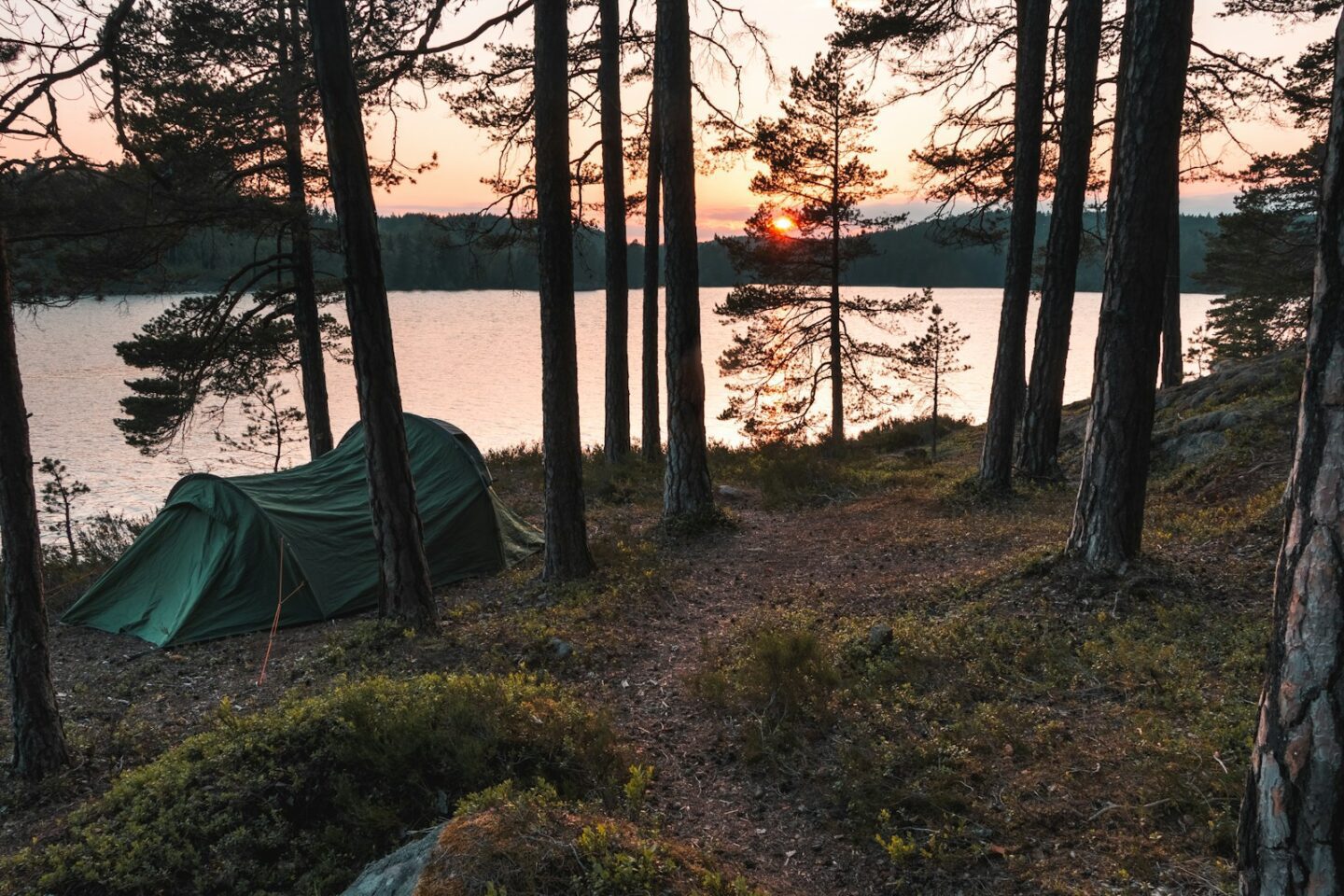
While paid campsites offer amenities and convenience, the appeal of finding a secluded, free spot in nature appeals to those campers who are looking for a more authentic outdoor experience – but this comes with legal considerations that shouldn’t be overlooked.
“It’s common for campers to be unaware that pitching a tent in the wrong location could result in fines or even being asked to move in the middle of the night,” explains camping expert Andy Halliday from Lexrope, a UK-based company specialising in outdoor camping gear and accessories. “With the right knowledge and preparation, finding free camping spots can be both legal and rewarding.”
In this guide, we’ll explore how to find the best free camping spots without risking fines or unwanted disruptions.
1. Know Where Wild Camping Is Legal
The laws regarding wild camping vary significantly across the UK. In Scotland, the Land Reform Act 2003 gives campers the right to camp on most unenclosed land. However, in England, Wales, and Northern Ireland, the situation is quite different.
“In Scotland, you have what’s called the ‘right to roam,’ which makes wild camping legal on most unenclosed land. But in England and Wales, you technically need the landowner’s permission to camp, except in designated areas like parts of Dartmoor National Park. People often don’t know these differences and assume wild camping is permitted everywhere.”
It’s important to check local regulations before planning your trip. Some areas have specific by-laws that prohibit overnight camping, while others may be more lenient. National parks often have designated areas where wild camping is permitted or tolerated but always research and check first.
2. Always Seek Permission When Required
In areas where wild camping isn’t explicitly allowed by law, obtaining permission from the landowner is a legal requirement.
“Approaching landowners respectfully can often lead to positive responses. Many of them are happy to allow responsible campers on their land if asked politely. I recommend preparing a brief explanation of your plans, including how long you intend to stay and your commitment to leaving no trace.”
Local farms, estates, and private landowners might grant permission for a small fee or even for free if you explain your intentions clearly. Bear in mind that some may refuse, which is their prerogative, and it’s important that you respect their decision.
3. Look For Official Free Camping Spots
A lot of forests, national parks, and conservation areas offer free or low-cost camping options that are completely legal and often come with basic facilities.
“The Forestry Commission manages several sites across the UK where camping is permitted, sometimes for free or for a nominal fee. These locations offer the perfect middle ground between wild camping and commercial campsites.”
Some areas also have ‘almost wild’ camping spots – basic sites with minimal facilities that charge very little or nothing at all. These locations give you the wild camping experience without the legal concerns.
4. Follow The ‘Leave No Trace’ Principles
Even in places where wild camping is permitted, your right to camp comes with the responsibility to preserve the natural environment.
“The ‘leave no trace’ principle isn’t just an ethical guideline – it’s often a condition of being allowed to camp for free,” Halliday notes. “This means taking all rubbish with you, not disturbing wildlife, avoiding open fires where prohibited, and leaving your pitch exactly as you found it.”
Responsible camping helps maintain good relationships between campers, landowners, and authorities, ensuring free camping opportunities remain available for everyone.
5. Use Technology To Your Advantage
Modern technology has made finding legal free camping spots easier than ever before, with numerous apps and websites dedicated to helping campers find suitable locations.
“Apps like Park4Night, iOverlander, and websites such as Nearly Wild Camping list places where you can camp legally for free or for a small fee. These resources often include reviews from other campers and details about facilities and restrictions, making planning much simpler.”
Many of these platforms allow users to filter results based on specific requirements, such as whether fires are allowed or if the site is suitable for families with children.
It’s also a good idea to join online camping communities where experienced wild campers share their knowledge. They often contain valuable advice about locations that aren’t widely publicised but are completely legal. Repsectful camping practices are important to these communities so that these spots are looked after and preserved.
Finding the perfect free camping spot isn’t just about discovering a beautiful location – it’s about doing so responsibly and legally. By researching local laws, seeking permission where necessary, and following ethical camping practices, you can enjoy the serenity of nature without the risk of fines or conflict with landowners.
With the right preparation and respect for the environment, free camping can be an incredible way to reconnect with the outdoors. Follow these tips, and you’ll be well on your way to a stress-free, unforgettable adventure under the stars.