Overlooked Ways to Enhance Worker Safety
A business’s first priority isn’t its customers’ happiness or its shareholders; it’s ensuring that its workers are fully safe while on the clock.
Though there have been significant improvements to worker safety in recent years, it remains a fact that things could be better, as any lawyer who deals with workplace accident claims could tell you. According to the Health and Safety Executive, there are hundreds of thousands of work-related injuries each year — and while some incidents are unavoidable, a significant number could have been prevented.
In this post, we’ll look at some often overlooked ways to enhance worker safety that your business may not have considered.
Increase Lighting
Studies have shown a correlation between poor lighting and the number of workplace injuries. As such, one of the most effective ways to enhance worker safety is to simply look at improving the light conditions of the workplace. Boosting workplace lighting leads to enhanced visibility, which makes it easier for employees to see hazards. Plus, increasing the amount of light in the workplace – especially natural light – can help to enhance overall employee well-being. According to Harvard Business Review, natural light is the number one perk that employees want from their workplace.
Encourage Open Communication
No matter how many safety protocols a business puts in place, it’s inevitable that there’ll eventually be a safety incident in the workplace. In the vast majority of cases — and with some luck — they will be “near miss” incidents that don’t result in serious, or even minor, injuries.
But even in those instances, it’s important to investigate what happened. In doing so, it’ll make it easier to put measures in place that prevent such incidents from occurring in the future.
For that to happen, employees must feel comfortable coming forward with any potential safety issues. By fostering a culture that encourages open communication about all existing and potential safety issues, workplaces put the responsibility of maintaining safety in everyone’s hands.
Limit Exposure to Hazards
Some workplace environments contain harmful chemicals and contaminants that can impact worker safety. As such, it’s important to take steps to limit exposure to those hazards wherever possible. How you do this will depend on the type of business you run. For instance, chemical manufacturing companies should choose chemical mixing tanks that contain no moving parts and thus don’t require employees to perform maintenance; it’ll help reduce exposure to potentially harmful chemicals. For warehouses, construction sites, and manufacturing plants, meanwhile, limiting exposure will involve investing in ventilation to boost air quality, which will keep contaminants and fumes at bay.
Get Serious About PPE
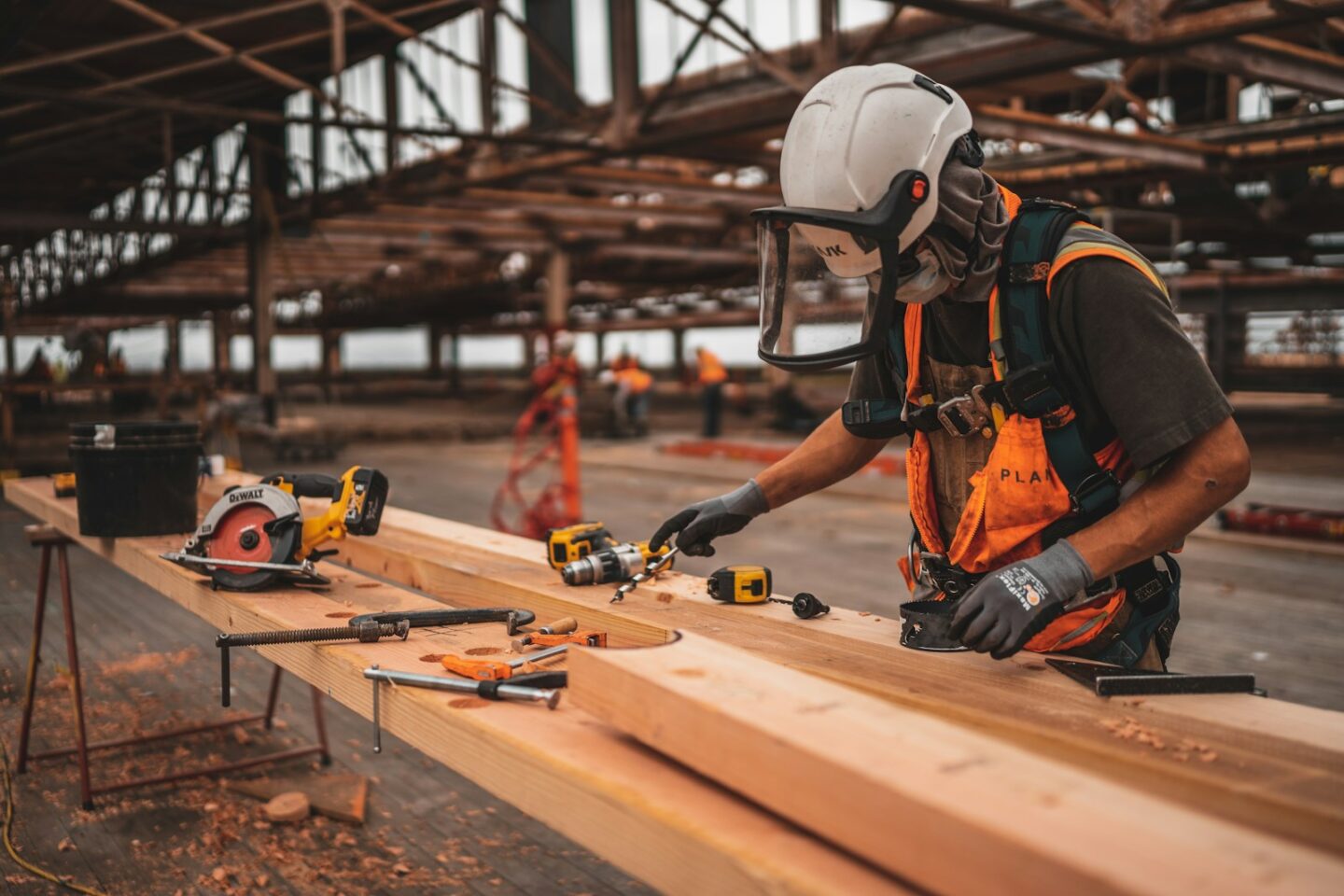
Not all personal protective equipment is created equal. Investing in quality PPE is essential for keeping employees safe. In electrical work environments, for example, standard PPE isn’t sufficient. Workers exposed to arc flash hazards require purpose-built arc flash suits rated to the energy levels they may encounter. This kind of role-specific, quality-first thinking applies across industries. The right PPE for the job is always better than the cheapest option that merely meets minimum safety standards. However, remember that PPE won’t be responsible for everything – it’s also important for the worker to be educated on how to correctly use and maintain the equipment.
Managing Fatigue
Finally, keep in mind that worker fatigue is one of the biggest causes of workplace injuries. Businesses can manage employee fatigue by having the appropriate number of staff on-site, encouraging employees to take breaks, and keeping shifts to a limited number of hours.
This is a collaborative post.