How to Build a Strong Sports Program in Your Community
Starting a sports program in your community can be one of the most rewarding initiatives you’ll ever take on. More than just a way to stay active, a strong sports program brings people together, promotes healthier lifestyles, and fosters a sense of pride and unity. Whether it’s kids learning teamwork on the field, adults joining recreational leagues, or seniors staying fit through group classes, sports can offer something for everyone.
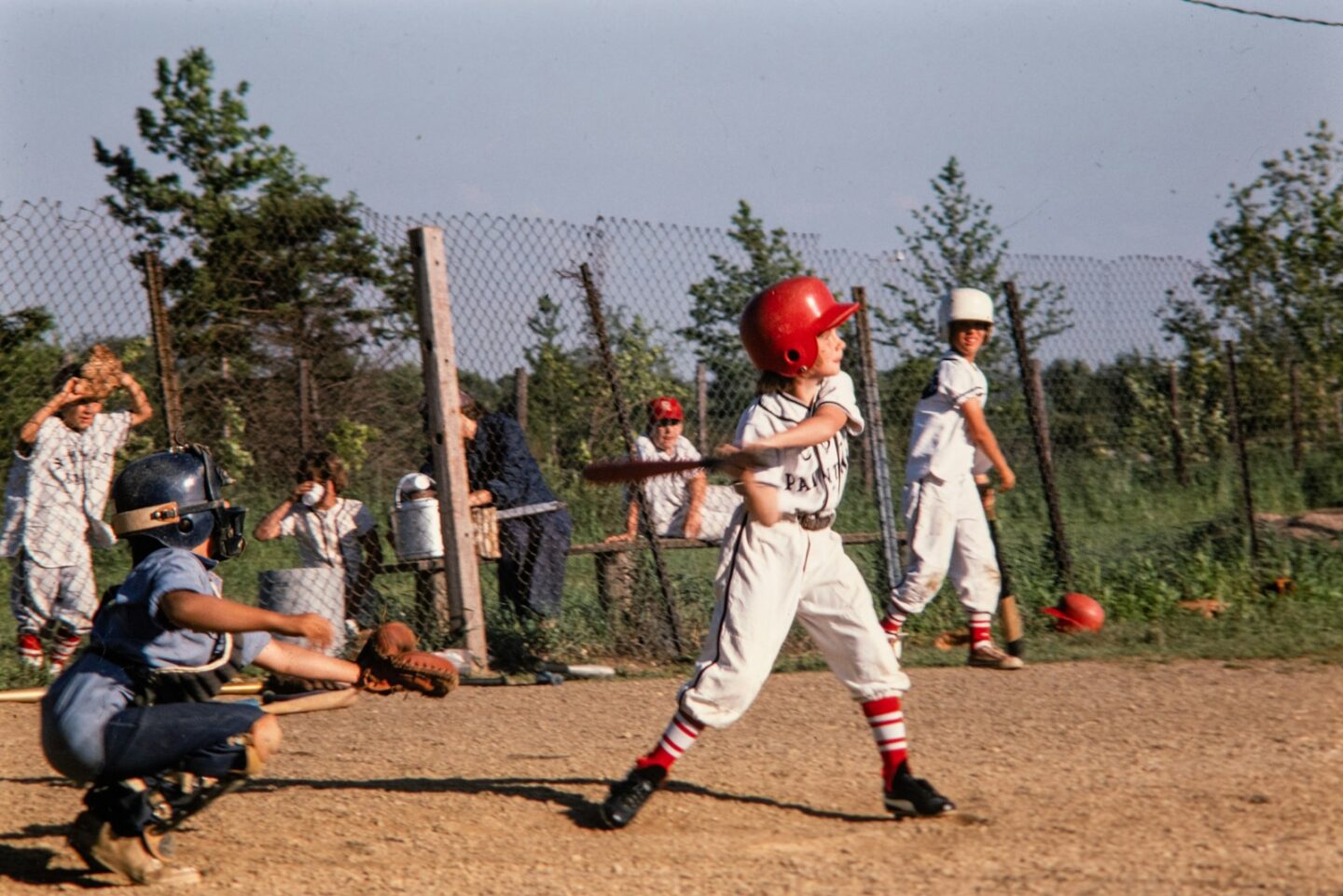
That said, launching such a program isn’t without its hurdles. Limited funding, difficulty in recruiting committed volunteers, and the need to ensure inclusivity are just a few of the challenges you’ll likely face. It takes careful planning, strong leadership, and the support of the entire community to turn a great idea into a thriving, sustainable program. To help you launch a community sports program successfully, here are some pointers to get you started.
1. Establish a Clear Identity and Purpose
Before anything else, you need to define the goal of your sports program. Is it about youth development, community fitness, or friendly competition? Having a clear purpose makes it easier for people to understand and connect with your program. Based on this, come up with a name, logo, and even simple items to distribute, like custom silicone bracelets or team shirts. These small details can help build recognition and pride.
A strong identity draws people in and encourages them to participate, volunteer, or sponsor. It also sets the tone for how your program operates and the kind of experience people can expect. When your community understands your mission, they’re more likely to support and promote it.
2. Understand Community Needs
Don’t just assume that you already know what your community needs. Instead, use surveys, casual conversations, or community meetings to find out which sports or activities interest them. Some may prefer traditional team sports, while others might be interested in activities like running, fitness classes, or emerging recreational trends.
By offering what people actually want, you’ll encourage strong participation from the start. Showing you’ve listened also creates a sense of ownership and enthusiasm, making people more likely to stay involved and spread the word.
3. Secure Reliable Funding and Resources
No matter the activity or cause, it will need resources to succeed. Explore different funding sources like local grants, business sponsorships, fundraisers, and reasonable participation fees to build a solid financial base. Having steady funding allows you to maintain equipment, hire qualified staff, and keep programs affordable. With sufficient resources, you’ll be better positioned to grow, adapt, and serve the community for years to come.
4. Recruit and Support Dedicated Staff and Volunteers
No matter how good your plan is, it’s the people who bring your program to life: coaches, referees, coordinators, and volunteers all play crucial roles in making sure activities run smoothly. Look for people who not only have the right skills but also believe in the program’s mission and values. Their attitude and enthusiasm can make all the difference in creating a positive atmosphere for participants.
Once you have your staff, make sure they’re well prepared. Provide training on safety protocols, coaching techniques, and how to handle different situations that might arise. A strong, well-trained team also reflects well on the program and helps foster trust within the community.
5. Make the Program Accessible and Inclusive
A truly strong sports program makes room for everyone. This means offering options for different age groups, skill levels, and physical abilities. Consider flexible scheduling, beginner-friendly programs, and financial assistance or sliding-scale fees to help those who might not otherwise be able to participate. The more people you can welcome, the stronger and more vibrant your program will become.
When people see that participation is open to all, regardless of background or ability, they’re more likely to support and promote it. An inclusive approach ensures that your sports program reflects the diversity of your community and becomes a source of pride for everyone involved.
6. Prioritise Safety and Facility Quality
Keeping participants safe should always be a top priority. This means making sure facilities are well maintained, equipment is in good condition, and safety protocols are clearly in place. Accidents can happen, but proper planning and attention to detail can greatly minimise risks and reassure participants that they’re in good hands.
Having a strong safety culture also protects the program’s long-term reputation. When people trust that you’re taking safety seriously, they’re more likely to enrol their children, volunteer, and recommend the program to others.
7. Engage the Community and Keep Communication Open
Finally, keeping open and consistent communication with the community is key to achieving long-term success. Use newsletters, social media, and even simple bulletin boards to share schedules, announcements, and important news. This helps everyone stay informed, feel included, and stay connected to the program’s progress. In doing so, you foster loyalty that can also lead to new ideas, more volunteers, and stronger support.
A strong community sports program isn’t built overnight. However, with passion and teamwork, it can grow into a lasting part of your community’s fabric. The rewards go far beyond the playing field, creating friendships, memories, and opportunities that can last a lifetime. So don’t be afraid to take that first step —your community might just surprise you with how ready it is to rally behind you.
This is a collaborative post.