Tips for Visiting Venice: How to Make the Most of Your Trip
Venice is one of those places where simply wandering around can feel like the main attraction. There are grand palaces and famous churches to explore, but also tiny bridges, quiet squares and canals that tempt you to take the longer route back to your hotel.
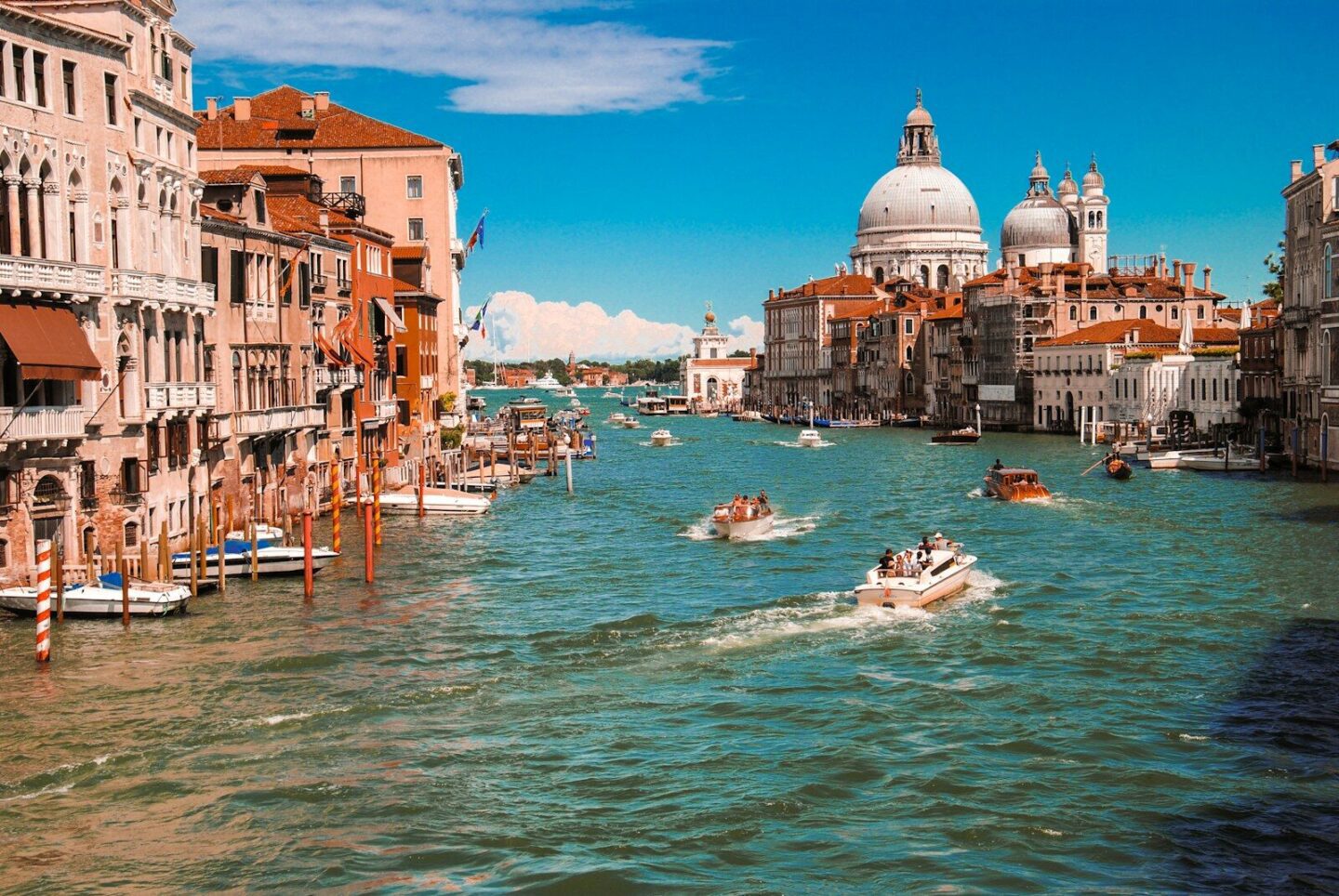
Built across islands in a lagoon, the city takes a little more planning than somewhere you can hop in a taxi whenever your feet get tired. Choosing your accommodation carefully, understanding the boat services and booking a few things ahead can make a real difference.
Here are some practical tips for visiting Venice, whether you’re planning a weekend break or staying a little longer.
Choose Your Travel Dates Carefully
Spring and autumn are worth considering if you’d prefer to explore without the hottest summer weather. However, don’t assume that September will be quiet or that travelling outside July and August automatically means cheaper accommodation. Check for major events and compare prices across several dates before booking.
Summer can be hot and busy, so leave room for breaks and try exploring the busiest areas early in the morning or later in the evening. Staying overnight makes this much easier and gives you time to enjoy the city beyond the main sightseeing hours.
Autumn and winter bring the possibility of acqua alta, when high tides can flood parts of Venice. The city’s flood barriers help manage this, but it is still sensible to check the official high-water information before and during your trip.
Plan Your Airport Transfer Before You Arrive
Venice Marco Polo Airport has both land and water connections to the city. There isn’t a direct train from the airport to Venezia Santa Lucia station, so make sure you know which transfer suits your accommodation.
Your main options include:
- An airport bus to Piazzale Roma: From here, continue on foot or by vaporetto, depending on where you’re staying.
- An Alilaguna water bus: This connects the airport with various stops in Venice and the lagoon.
- A private water taxi: Compare the full price and drop-off point before booking.
The official Marco Polo Airport transport page is a useful starting point for checking your options. Don’t automatically choose the cheapest ticket without considering the walk from your arrival stop to your hotel, especially with luggage.
If you’re arriving by train, check the station name carefully. Venezia Santa Lucia is the station in the historic city, while Venezia Mestre is on the mainland.
Check Entry Requirements Before Travelling
If you’re travelling on a full British citizen passport, you can generally visit Italy without a visa for a short holiday, within the Schengen limit of 90 days in any 180-day period. Time spent in other Schengen countries counts towards that allowance.
Your passport must also meet the Schengen rules on its issue and expiry dates. Check the current Italy entry requirements on GOV.UK before travelling, including updates on border procedures and any new travel authorisation requirements.
Choose Accommodation With the Journey in Mind
Staying in the historic city gives you the freedom to head out early, return for a rest and enjoy an evening walk without worrying about the journey back to the mainland.
You don’t have to stay beside St Mark’s Square to enjoy Venice, either. Compare accommodation in areas such as Cannaregio, Dorsoduro and Castello, looking at the surrounding streets and transport connections as well as the room itself.
Mainland accommodation in Mestre can be worth comparing if you’re keeping costs down. However, factor in daily transport, journey times and the location of the nearest stop before deciding how much you’ll save.
Wherever you stay, ask about stairs, lifts and the easiest arrival route. A hotel that looks close to a boat stop on a map may still involve several bridges, which becomes more noticeable when you’re carrying a suitcase or travelling with a pushchair.
Remember to check whether the accommodation price includes Venice’s overnight tourist tax.
Check Whether the Venice Access Fee Applies
Venice operates an access fee for certain day visitors entering the historic city on specified dates and at specified times. The arrangements can change, so check the official Venice access fee website for your travel dates.
Visitors staying in registered accommodation within the Municipality of Venice are generally exempt from paying this fee, but may still need to obtain proof of exemption. Ask your accommodation provider what you need to do.
The access fee is separate from the tourist tax charged on overnight accommodation.
Get to Know the Vaporetto System
You’ll probably do plenty of walking in Venice, but the vaporetto, or public water bus, is useful for longer journeys and trips around the lagoon.
Before buying a transport pass, sketch out your plans. If you’ll mostly explore on foot, individual journeys may be enough. If you’re planning several boat trips, a time-based ticket could offer better value.
Check the official ACTV ticket information carefully. Standard multi-day tickets have exclusions, including Alilaguna services and travel to or from Marco Polo Airport. Follow the validation instructions for your ticket, including when changing services.
Comfortable shoes are just as important as your transport ticket. Bridges, steps and longer-than-expected walks make this a city where practicality earns its place in your suitcase.
Book the Attractions You Most Want to See
Piazza San Marco is an obvious starting point for a first visit, with St Mark’s Basilica, the Doge’s Palace and the clock tower around the square.
If going inside is important to you, check availability before travelling and book through the official websites:
Read what each ticket includes rather than assuming every area, exhibition or tour is covered.
Try to avoid filling every hour with booked attractions. One main visit in the morning, followed by lunch and time to explore, can make for a much more enjoyable day than rushing between entrance slots.
Leave space for the Rialto Bridge, a walk beside the Grand Canal and whichever little streets catch your attention along the way.
Leave Time to Explore Beyond the Main Sights
It’s easy to spend a whole trip moving between the station, Rialto and St Mark’s Square. Give yourself at least a few hours to wander beyond that route.
Choose a neighbourhood, find somewhere for a coffee and explore without trying to tick off another attraction. Keep a map available for finding your way back, but allow yourself the occasional wrong turn.
If you’re staying for several days, you could also plan a lagoon island trip. Murano is known for glassmaking, while Burano is famous for its colourful houses and lace-making heritage. Venice’s civic museums website includes information about the Glass Museum and Lace Museum if you’d like to build a visit around either craft.
Check the boat journeys before setting off and resist squeezing too many islands into one afternoon. Allowing time for a wander and lunch is much more appealing than spending the day watching the clock.
Decide Whether a Gondola Ride Is Worth Your Budget
For some visitors, a gondola ride is a highlight of Venice. For others, walking beside the canals and using the public boats provides plenty of time to enjoy the water.
If you’d love a ride, make room for it in your budget and confirm the total cost, duration and number of passengers before boarding. Ask about the proposed route too, particularly if you have your heart set on seeing a certain area.
It’s worth deciding which experiences matter most to you before travelling. That makes it easier to spend on something you’ll enjoy without feeling you need to book every activity on offer.
Eat Well Without Spending a Fortune
There’s no shortage of places to eat in Venice, but it pays to pause and read the menu before choosing a table.
Look at the full cost, including any listed cover charge or service charge. If you’re stopping for a coffee, check whether the price changes depending on whether you stand at the counter or sit down.
For a lighter meal, look for cicchetti, the small Venetian snacks served in traditional bars known as bacari. They’re a lovely way to try a few different things without committing to a long restaurant meal.
Bakeries, sandwiches and takeaway pizza can also help keep lunch costs manageable. Look a little beyond the busiest sightseeing routes, compare menus and avoid assuming that a restaurant is good value simply because it advertises a tourist menu.
Plan loo stops too, especially when travelling with children. Don’t rely on being able to walk into any café or restaurant solely to use its facilities.
Be Considerate While Exploring
Venice is a residential city as well as a holiday destination. Keep bridges and narrow streets clear when stopping for photographs, avoid blocking doorways and be mindful of noise near people’s homes.
Check the city’s guidance for responsible visitors, particularly before settling down with takeaway food. Eating and drinking while standing or sitting in Piazza San Marco is prohibited outside the designated café and restaurant areas.
Buying from local makers, using bins and treating quieter neighbourhoods with care are simple ways to be a more considerate visitor.
Venice rewards a little planning, but it also deserves some unhurried time. Sort out your arrival, book the sights you really want to see and leave room for wandering. A quiet canal, a good lunch and an unexpected turn into a beautiful square can be just as memorable as the famous landmarks.