Is Rainwater Harvesting Legal in the UK? Rules for Small Homes & Annexes
If you have ever thought about collecting rainwater at home—whether for your garden, a small annexe, or an off-grid setup—you have probably wondered: Is it actually legal in the UK?
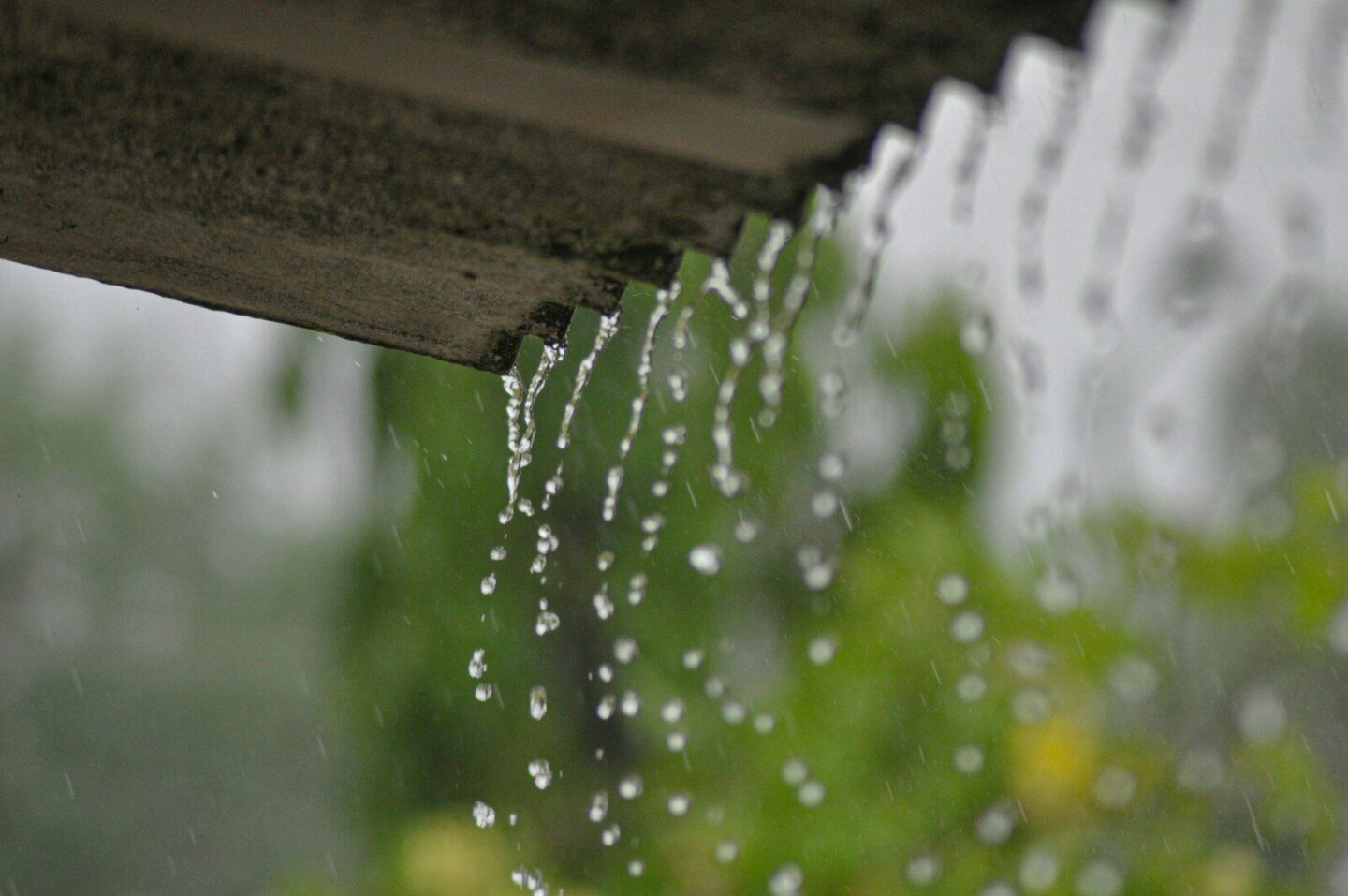
It’s a fair question, especially since there is a lot of confusion online. In some countries, strict water rights laws make rainwater collection complicated. But in the UK, the situation is very different—and much more straightforward. In fact, rainwater harvesting is not only legal, but it is also often encouraged as a sustainable way to reduce pressure on mains water systems.
That said, “legal” does not mean completely unregulated. There are still important rules around how systems are installed, how water is used, and how they connect to your home—especially for smaller properties, garden rooms, or annexes. Having that in mind, let’s break it down clearly.
1. Yes, Rainwater Harvesting Is Legal—But With Conditions
The short answer is yes: You can legally collect and use rainwater on your property in the UK. Homeowners are generally free to:
- Collect rainwater from roofs.
- Store it in tanks or water butts.
- Use it for everyday non-drinking purposes.
You also do not need a water abstraction license if you are only using harvested rainwater. However, understanding how to set up and use these systems correctly is just as important as knowing they are allowed. That is where platforms like beyondtheurban.com can be helpful, offering practical insights into sustainable living and how systems like rainwater harvesting fit into modern homes. That said, there are a few key conditions you need to keep in mind:
- Your system must not harm the environment or the local water flow.
- It should not interfere with natural drainage systems.
- It must follow safety and plumbing regulations.
So while it is fully legal, it still needs to be done responsibly.
2. Planning Permission: Usually Not Required
One of the biggest advantages of rainwater harvesting—especially for small homes and annexes—is that it typically does not require planning permission.
In most cases:
- Simple systems like water butts or small tanks are allowed.
- Standard rooftop collection systems fall under permitted development.
However, planning permission may be needed if:
- You install large underground tanks.
- The system significantly alters your property’s structure.
- Your home is in a conservation area or listed.
For smaller setups—like garden rooms, annexes, or compact homes—this makes rainwater harvesting a practical and accessible upgrade. Still, it is always a good idea to check with your local authority if your setup is more complex.
3. Water Regulations: The Most Important Rule to Follow
While planning permission is often not an issue, water regulations are where things really matter. In the UK, rainwater systems must comply with the Water Supply (Water Fittings) Regulations 1999. These rules focus on one critical concern: preventing contamination of the mains water supply. To meet these standards:
- Rainwater systems must be completely separate from drinking water systems.
- Proper backflow prevention must be installed.
- Pipes and outlets must be clearly labelled as non-potable.
This means:
- You cannot mix rainwater directly with mains drinking water.
- You must install proper safeguards if both systems exist in the same property.
For small homes or annexes, this is especially important if you are planning a semi-off-grid setup.
4. You Can’t Use Rainwater Freely for Everything
Even though collecting rainwater is legal, how you use it matters. In most UK homes, rainwater is considered non-potable, meaning it is not safe for drinking without advanced treatment.
Some of the safe and common uses include the following:
- Garden irrigation.
- Toilet flushing.
- Washing machines.
- Outdoor cleaning.
But you should avoid:
- Drinking or cooking with untreated rainwater.
- Using it for hygiene without proper filtration.
If you plan to use rainwater as a primary supply (for example, in an off-grid annexe), you may fall under private water supply regulations, which require:
- Water quality testing.
- Compliance with health standards.
So for most homeowners, rainwater works best as a supplementary system, not a full replacement.
Rainwater harvesting in the UK is not only legal—it is a practical and increasingly popular way to make homes more sustainable. For small homes, annexes, and off-grid spaces, it offers a simple way to reduce reliance on mains water while supporting a more efficient lifestyle.
The key is understanding the rules: keep systems separate from drinking water, follow basic regulations, and plan your setup carefully. Last but not least, with the right approach, rainwater harvesting becomes less about complexity and more about making smarter use of the resources already available to you.
This is a collaborative post.