Here’s Why Height Matters In Your Garden (& How Vertical Gardening Can Transform Your Space)
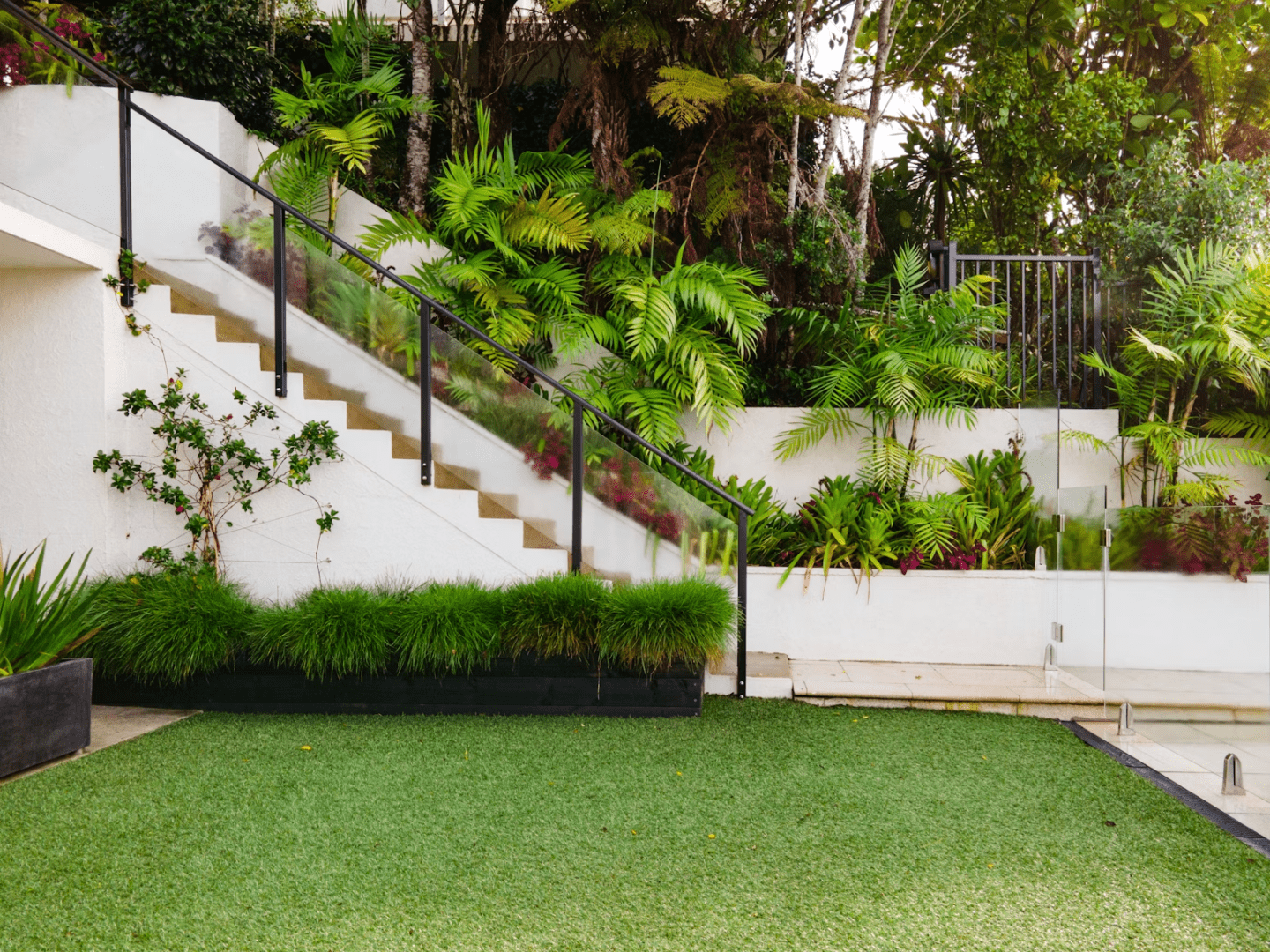
If you’ve ever made the mistake of planning a two-dimensional, floor-level garden, you’ll know how bland the finished article can be. Sure, you might have planted the right flowers, but you still won’t quite be able to reach the garden of your dreams.
The struggle can be endlessly frustrating, but it might help to think about things like this – gardens that are entirely one-note are a little like magnolia walls. They’re boring, uninspiring, and are unlikely to lead to a striking finished product.
Of course, when it comes to bland neutral walls, a quick repaint is the solution, but what can you do to fix a boring garden? Increasingly, homeowners are choosing to add height through vertical gardening and layered planting to make their outside spaces interesting, exciting, and generally more attractive. Keep reading to find out why you could benefit from doing the same.
# 1 – Maximising Small Spaces With Vertical Gardening
Small outside spaces aren’t unusual in city areas or new developments. If you focus on floor-level improvements, then it can be incredibly difficult to get these smaller outside areas looking how you might like. You may also find that you can’t add anywhere near as many plants of textures as you ideally want. Taking your garden up instead of down could be the ideal solution.
Vertical gardening has become particularly popular in recent years, and the ability to train plants up trellises is a great way to both add height and incorporate more space for those plants you love. Wall-based planters are another great vertical design choice, and can add interest and planting space you simply wouldn’t have otherwise. All of this also brings the benefit of freeing up much-needed floor space, which is sure to make your garden in general look a lot more generous than it would otherwise.
# 2 – Creating Focal Areas With Height and Levels

Two-dimensional gardens often look a little bland because there are no eye-catching features of note. Even flowerbeds won’t necessarily catch the eye if they’re flush with your lawn. By comparison, taller features automatically stand out and can create key focal points that provide genuine interest.
In fact, the more varied levels you bring to your garden, and the more height you ultimately incorporate, the more endlessly interesting the space will become.
Even just raising your flowerbeds a little will help with this, as it will set those brighter flower tones on a much-needed pedestal of interest. If you’re new to this approach, starting with raised beds can be one of the easiest ways to introduce height and structure into your garden.
If you’re working with a garden that has uneven ground or a natural slope, tiered garden designs can be particularly effective for creating visual interest and usable planting space – there are some great examples of this in these tiered garden ideas to transform your sloped garden. A well-planned tiered garden layout allows you to introduce multiple planting levels while also creating natural focal points throughout the space.
Alternatively, tall additions like raised decking areas can add real outdoor depth, as can the addition of interesting features like garden swing seats or seating areas.
# 3 – Keeping Things Hidden
Totally flat outdoor areas can feel sparse, barren, and, if you live in a built-up area, incredibly exposed. After all, there will be nowhere to hide in a garden like this. You’ll certainly be stuck knowing that the neighbours can look right down on you, no matter where you choose to sit!
This exposure is enough to stop you spending any time outside, but that needn’t be the case if you design your garden with height in mind. Taller additions like hedges, creeping plants, and trellises can all provide a much-needed element of privacy to your garden. As well as looking great, this will help you feel safer whenever you spend time outside.
With enough planning, you should even find that you can create completely hidden corners that simply wouldn’t be possible if you didn’t use height to your outdoor advantage! Simply think about what you would most like hidden, such as seating areas of any outdoor play equipment, and consider the hedges or structures that would keep you most out of sight in those moments.
# 4 – Doing it for the Plants
It’s also worth highlighting that vertical gardening generally spells great news for plant health across your garden. This is because tall additions, especially of the plant variety, provide much-needed shade to the plants below. Layered planting can also help support a more wildlife-friendly garden, giving insects, birds, and pollinators a variety of habitats throughout the space.
Well-designed layered beds with plenty of taller additions can also ensure better air circulation and generally improved light distribution to enhance the growth of plants and flowers on every level. So, not only will your flowerbeds look more interesting, but they’ll also be a whole lot healthier and more vibrant as a result of you looking up instead of down!
#5 – Designing Your Garden in Layers
You don’t always need a large garden to benefit from height and structure. Even a compact outdoor space can feel more interesting when you think in terms of layers rather than flat planting. Combining raised beds, taller shrubs, climbing plants, and lower ground cover helps create depth that guides the eye through the space.
Layered gardens are particularly effective when you mix structural elements like trellises or pergolas with plants of different heights. This creates natural levels throughout the garden and allows each plant to receive the light and airflow it needs to thrive.
Over time, many gardeners find that working with layers makes planting easier to manage too. Different heights can help define areas for flowers, herbs, vegetables, or seating spaces, making the garden feel organised as well as visually appealing.
Conclusion
Vertical gardening might sound like another trend, but trust us when we say that it could take your gardening journey to the next level. This is true regardless of the size of your garden. Start feeling these benefits and more by getting started as soon as possible!
This is a collaborative post.