How to Create a Wildlife-Friendly Garden That Supports Your Local Ecosystem
When you think of the role that your garden plays, how much of it is focused on meeting your own needs? Making it suit you, your children, pets, and your social life is all well and good, but have you considered your local ecosystem? Modern homes have such a big impact on local wildlife and plant species; it’s only natural that you might want to give back. Here, we’re going to look at how you can do that through your garden design, as well as how you take care of it.

Pick Native Species For Your Region
Planting species that are native to your local region helps your garden recreate natural ecosystems, supporting the wildlife that depends on those plants for food and shelter. It also makes those plants a lot easier to care for, as they’re already adapted to local rainfall, soil, and temperature conditions, meaning they don’t need as much watering or fertiliser as species from other climates. Research plants that are indigenous to your area and prioritise local species by, for instance, allowing for a patch of wildflowers rather than just grass or curated picks for your flower beds. With local species, you can improve your garden’s resilience and its harmony with the surrounding environment.
Pick Bird-Friendly Greenery
If you want to get even more specific in the way you bolster your local wildlife, then consider how your choice of trees and shrubs can attract birds. Not only can the right advanced trees support local biodiversity, but they can also bring visible life, colour, and song to your garden. Nectar-producing plants, dense trees for nesting, and seed-bearing grasses all attract different birds to your garden. Producing natural food sources also means you become less dependent on artificial feeding, which is not always easy to keep up with over time. Bringing in the local birds can also help you deal with pests, as they may prey on insects or small rodents, meaning you don’t have to rely on chemicals to keep your garden free of unwanted guests.
Providing Fresh Water Sources
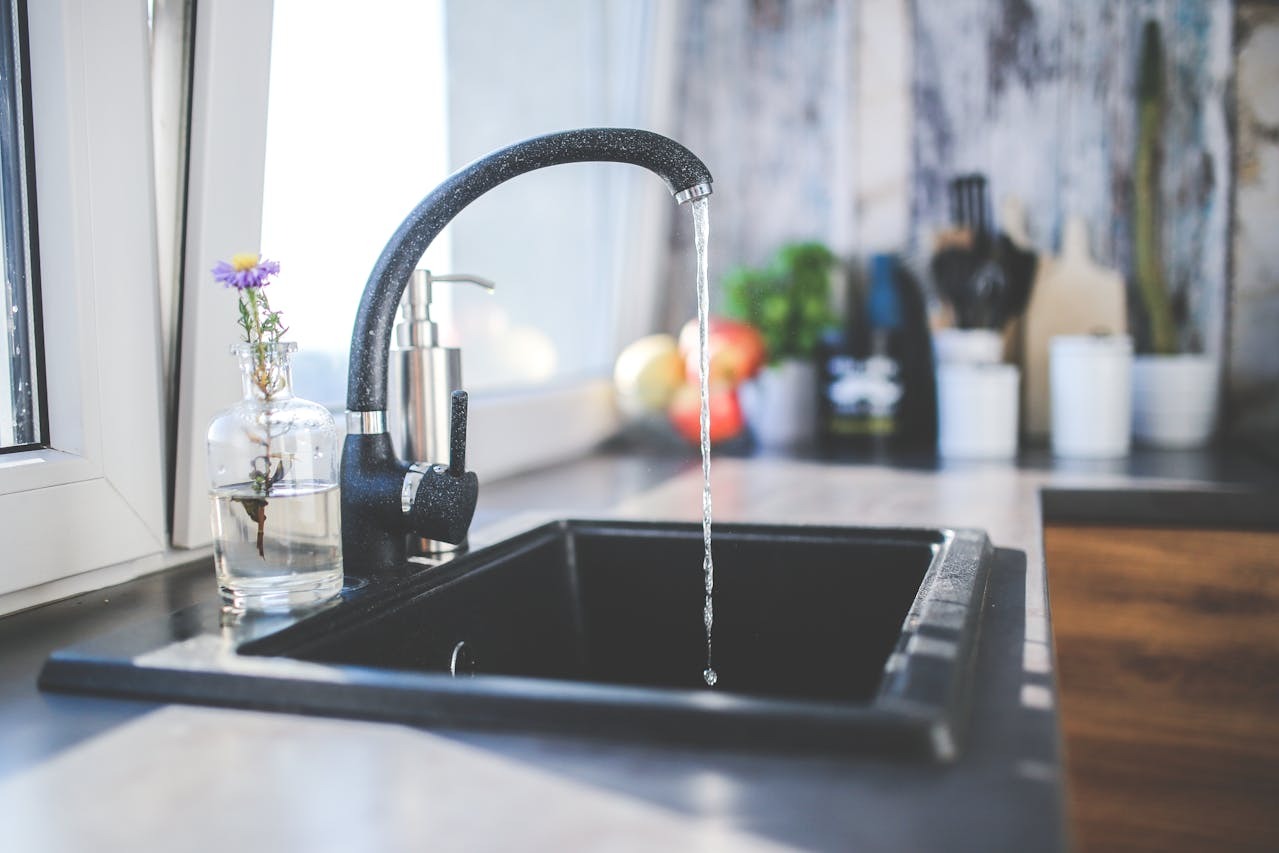
If you want to sustain local birds, insects, or even small mammals, then they are going to need reliable water sources. This is especially true for when it gets into the hot, dry periods. Installing water features like a shallow birdbath, a pond, or a water dish in an area that’s shaded and safe can make your garden a much more popular spot. You have to make sure that these features are cleaned and their water refreshers are refreshed regularly, as they can spread disease and become a breeding spot for mosquitoes. You can make them even more popular by adding stones and shallow edges that allow for safe drinking, as well as moving water, which makes the water sparkle and trickle, allowing it to more easily catch the attention of wildlife.
Supporting Your Pollinators
Pollinators can play just as big a role in your natural biodiversity as anything else. Native bees, butterflies, and hoverflies play a crucial part in the cycle of plant and food production in local areas. As such, you should select a variety of plants that bloom across different seasons, ensuring that there’s always nectar and pollen available in your garden. Native species like correas and tea trees can provide some of the most reliable food sources, while double-flowered hybrids, which may seem extra helpful, tend to actually be relatively low on available nectar levels. Again, leaving some areas wild can also be helpful, as they can support the life cycles of pollinating insects.

Create Layered Vegetation
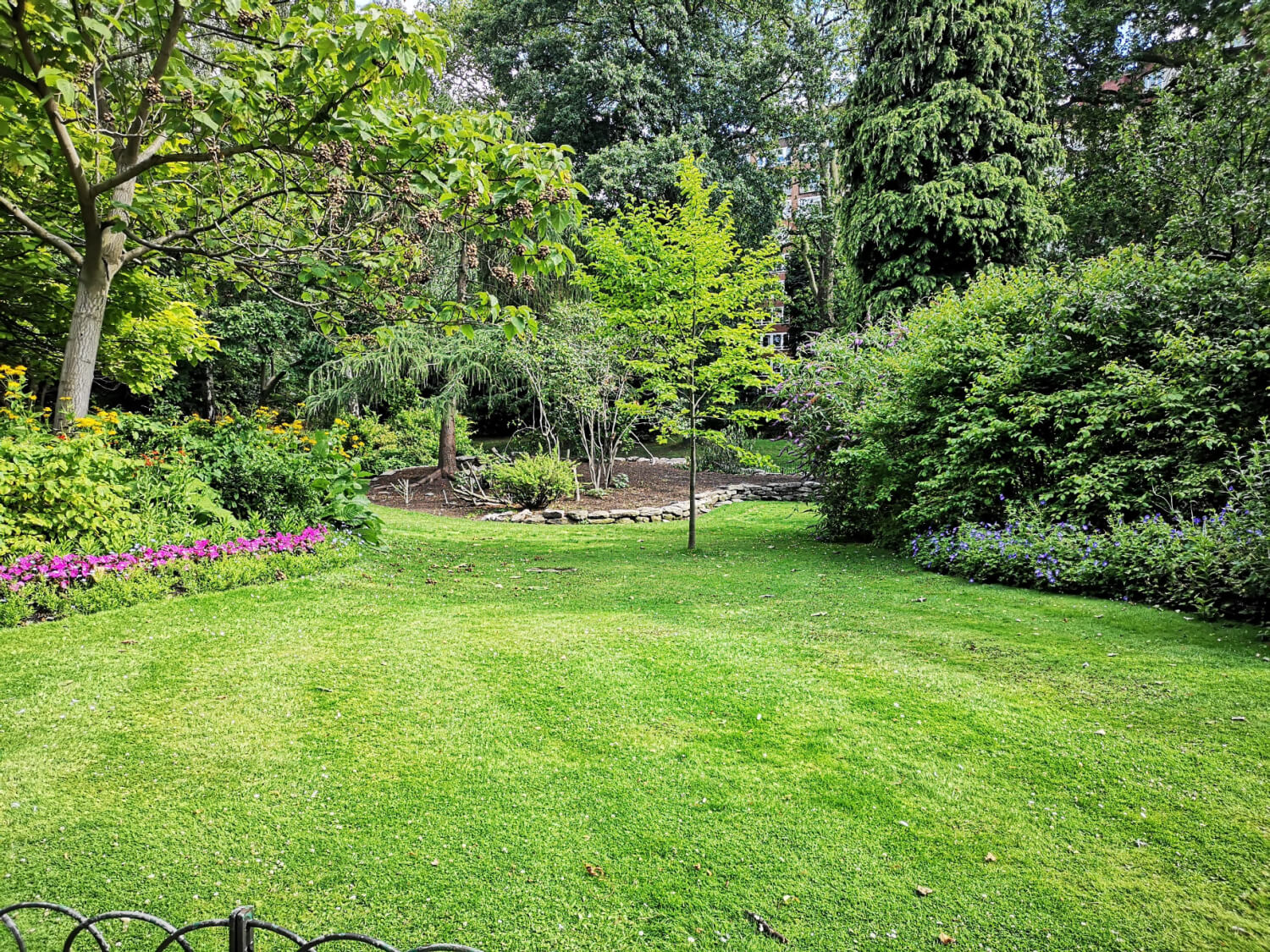
If you’re looking to create a range of habitats in your garden, then designing your garden in a way that mimics the structure of the bushland and creates shelter for more species is always a good place to start. For instance, you can incorporate groundcovers, grasses, shrubs, and canopy trees, ensuring that there are habitat zones for insects and reptiles on the ground, nesting sites for small birds in mid-level shrubs, and perches for those that prefer taller trees. All that covers also protects your garden’s ecosystem from predators and harsh weather. By replicating natural habitat layers, your garden becomes a refuge for wildlife in increasingly urbanised environments, helping restore ecological balance at a local level.
Minimise Your Use Of Chemical Pesticides
Maintaining a garden that works in harmony with your local ecosystem is just as much about what you don’t do as it is about what you do. While chemical pesticides and herbicides can manifest quick results for your own plant life, they can also have much stronger effects on your surroundings. Those same chemicals can harm beneficial insects, contaminate the soil, and disrupt entire food chains, which can make your garden a lot less likely to attract birds and reptiles. Instead, you should adopt more natural pest management strategies, such as encouraging predatory insects, using companion plants, and maintaining plant diversity to discourage infestations. Introducing ladybirds, for instance, can help you cut right down on the aphid population that might terrorise your plants.
Creating Ready-Made Nesting Spaces
While planting the right shrubs and trees can do a lot to make nesting easier in your garden for birds and mammals, there’s a lot more that you can do to battle the habitat loss posed by many gardens. For instance, you can incorporate hollow logs, rock piles, or even purpose-built nesting boxes, each of which can make for an attractive choice of nesting ground. Make sure that any nesting spots you create are kept away from regular foot traffic and out of reach of any domestic pets in the garden; you’re more likely to scare away animals even if they have begun to make it their home. By offering safe refuge, your garden can become a sanctuary for whole generations of local wildlife.
With the right design savvy, it doesn’t have to be an either/or choice; you can make sure that your garden takes care of both your family and the local ecosystem.
This is a collaborative post.