5 Fire Hazards to Be Aware of in Your Kitchen
The kitchen is the main area of the home where you cook, chat, snack, and occasionally tempt a recipe you saw online that absolutely did not turn out like the photo. But while it’s a place of comfort and creativity, it’s also one of the most common spots for house fires to begin. Most kitchen fires are preventable, but a little bit of awareness and a little less multitasking can go a long way to help it stay preventable. Let’s talk about five fire hazards you definitely don’t want simmering away in the background.
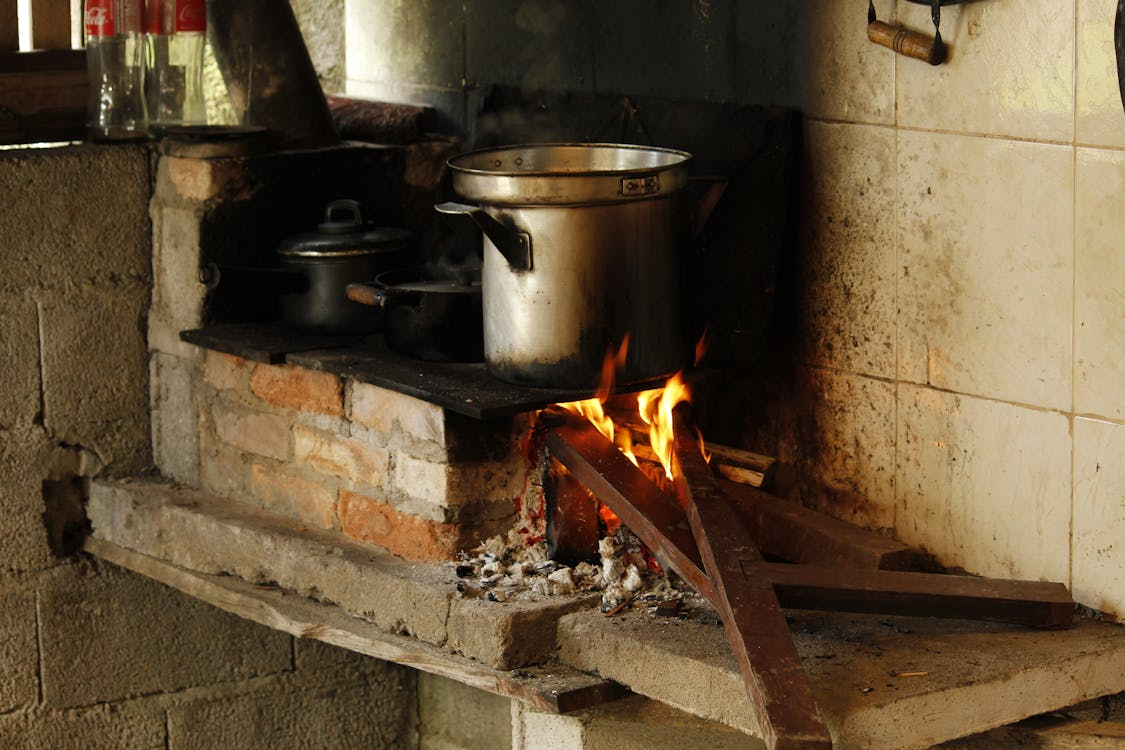
Unattended cooking.
It’s a classic culprit. You put something on the hob, decide to quickly check your phone, and suddenly you’re three videos deep, and your pan is smoking like it’s sending out distress signals. Oil and high heat are a risky combination. If the grease overheats, then it can ignite fast and dramatically. The simple fix is to stay nearby when you’re cooking, especially if you’re frying or using high heat. If you absolutely must leave the room, turn the heat down or switch it off. Your dinner can wait. A kitchen fire cannot.
Grease build-up.
It may not look dangerous, but layers of grease on your Hobbs flashback or inside your extractor hood can become highly flammable over time. Cooking vapours settle and create a sticky film that can easily catch fire when exposed to high temperatures. Regular cleaning is essential, including proper kitchen extract cleaning to remove hidden grease from ventilation systems. It’s not the most glamorous task, but it is a lot better than explaining to the fire brigade why your ceiling is black.
Overloaded sockets.
Modern kitchens are packed with gadgets. Kettles, toasters, microwaves, air fryers, coffee machines, it all adds up. And that’s just breakfast. Plugging too many high-powered appliances into one outlet or extension lead can cause overheating and electrical fires. If you notice warm plugs or buzzing sounds or tripping circuits, that’s your cue to take it seriously. Spread appliances across different sockets and avoid daisy-chaining extension leads like you’re building an electrical tower.
Flammable items.
There’s always going to be flammable items inside a kitchen, but the key is to not store them too close to surfaces that are hot. Tea towels, oven gloves, paper towels, wooden utensils, they all look harmless sitting near the hob until a flame gets a little too enthusiastic. Curtains near cookers are also risky choices to keep anything flammable at a safe distance from open flames and hot surfaces. Your aesthetic kitchen display isn’t worth the drama.
Neglected appliances.
Ovens with faulty wiring, frayed cables on toasters, or microwaves that make suspicious noises are not things to ignore. If something smells like burning plastic or sparks when plugged in, unplug it immediately. Appliances work hard in the kitchen and wear and tear is normal, but maintenance and timely replacement are essential for your safety. Kitchens are busy places and it’s easy to get distracted, but a bit of common sense and regular upkeep can drastically reduce your fire risk.
This is a collaborative post.