How to Choose the Best Purple Martin Houses for a Thriving Colony
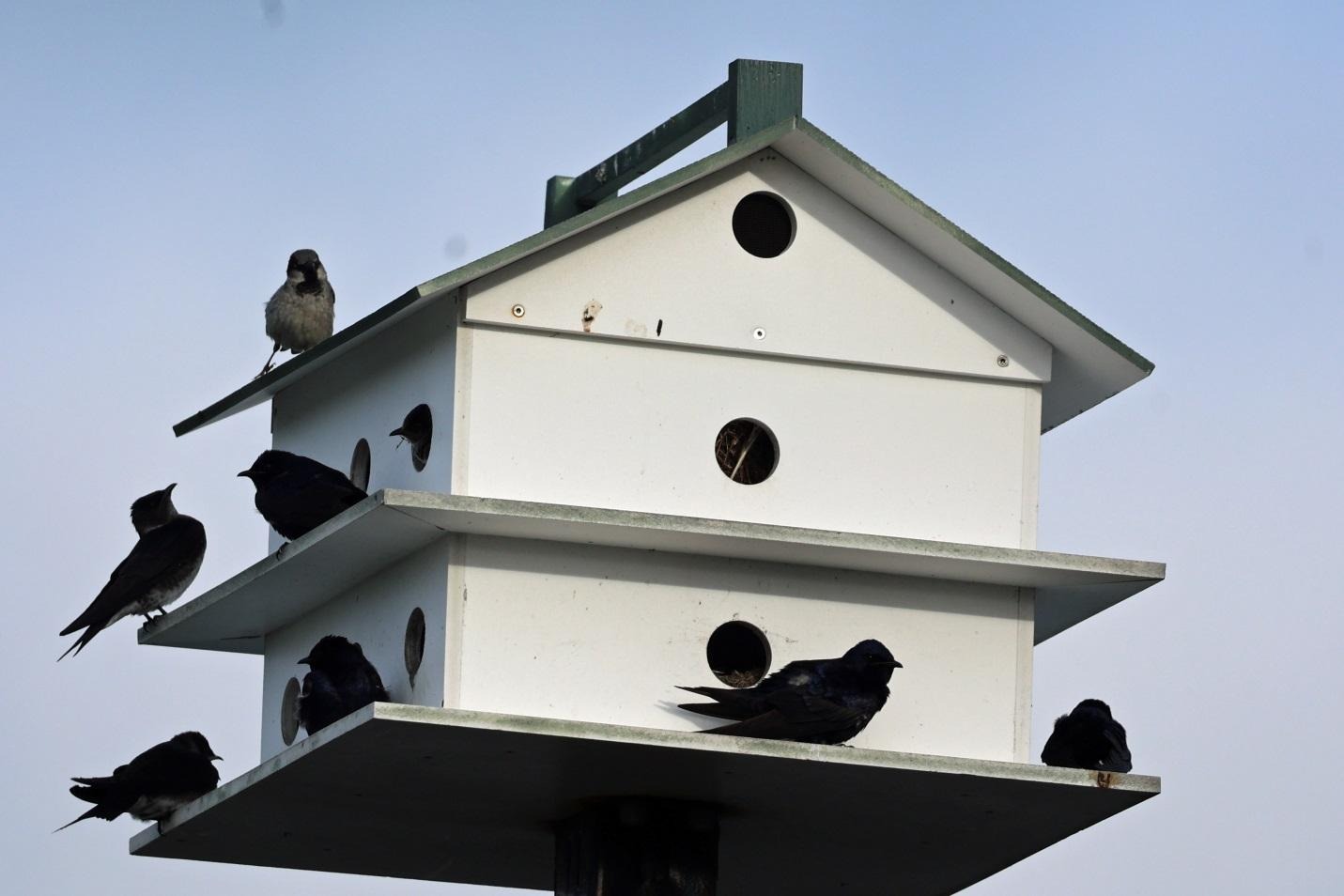
Have you recently been thinking about setting up a birdhouse in your garden? Few things are more rewarding than housing a colony of Purple Martins in your garden. These swallows, so graceful and so beautiful, tend to be highly social, and interestingly, they rely almost entirely on human-provided housing in many areas. That means offering them a suitable home isn’t just lovely for you – it genuinely supports the species too.
Choosing a Purple Martin house isn’t just about picking something that looks attractive in your garden, although appearance does play a part. Of course, you want something that enhances your outdoor space and encourages the birds to visit. But far more importantly, the type of housing you provide has a direct impact on whether the martins will nest successfully and return year after year. Getting it right makes all the difference.
If you’ve never bought or installed a Purple Martin house before, it’s completely normal to feel a bit unsure about where to start. There are several factors to consider, and making the right choice can feel overwhelming at first. In this guide, we’ll walk through what really matters when selecting a Purple Martin house, so you can feel confident you’re setting things up properly. But first, let’s briefly look at why offering a home to these birds is such a worthwhile idea in the first place.
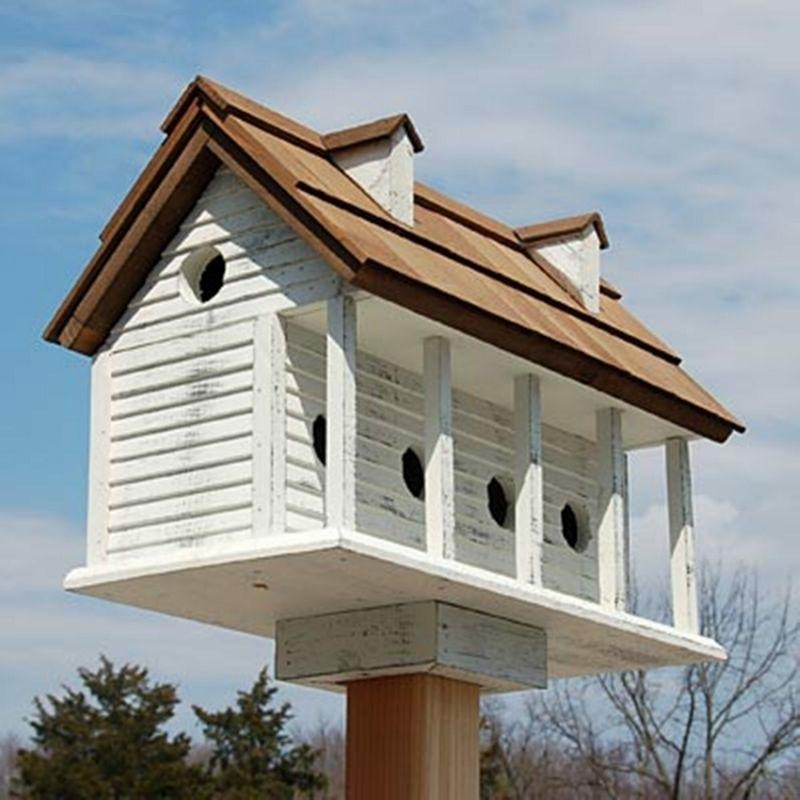
Why Get a Bird House in the First Place?
You might be asking yourself whether putting up a Purple Martin house is really necessary – and that’s a perfectly fair question. The simple answer is that these birds genuinely benefit from it. In many parts of North America, Purple Martins now rely almost entirely on human-provided housing, as they rarely nest in natural tree cavities anymore. By installing a suitable house, you’re giving them something they increasingly struggle to find on their own.
Martins are also highly social birds. They prefer to nest in colonies rather than alone, so providing a properly designed house can attract multiple pairs at once. Once they settle, they often return to the same site year after year, creating a thriving and familiar colony in your garden.
There’s also the matter of protection. A well-positioned and correctly installed Purple Martin house helps shield them from common predators such as raccoons, snakes and hawks, significantly improving the survival rate of their young. And beyond the conservation benefits, there’s a real joy in watching these graceful birds up close – observing their aerial acrobatics and fascinating social interactions can be incredibly rewarding.
Best Purple Martin Houses: How to Choose the Right One
Now that you know why putting up a Purple Martin house is such a worthwhile idea, the next step is choosing the right one. And that’s where things can feel a little more technical.
Not all birdhouses are created equal, and when it comes to Purple Martins, the details really do matter. The size of the compartments, the material, ventilation, predator protection and even how the house is mounted can all influence whether martins decide to settle – and whether they successfully raise their young.
In the sections below, we’ll break down exactly what to look for, what to avoid, and how to make a choice that gives your colony the best possible start. Let’s dive in.
Understand Purple Martin Needs
Before buying any Purple Martin houses, it’s important to understand how these birds live and nest. Purple Martins are colony nesters, which means they prefer multiple compartments grouped together rather than a single standalone box. They thrive in open spaces with clear flight paths and wide visibility, so surrounding trees and obstacles can be a problem.
Although they enjoy open areas, they are also cavity nesters. That means they need enclosed, properly sized compartments that provide shelter and security. Another key trait is their site loyalty – once a colony establishes itself somewhere suitable, the birds are likely to return year after year. When you understand these behavioural patterns, it becomes much easier to choose housing that genuinely supports them.
Decide on the Style
When it comes to Purple Martin houses, there are two main styles to consider.
The first is the traditional multi-compartment house. These often have a classic appearance, are easy to inspect and maintain, and are particularly durable when made from aluminium. They’re a popular choice for beginners because they’re straightforward to monitor during nesting season.
The second option is a gourd system. These provide deeper nesting cavities, which many martins prefer, and they can be expanded over time as your colony grows. Gourds are also known for offering excellent predator resistance when set up properly.
Both styles can work beautifully if installed correctly. The right choice often comes down to your space, your budget, and how hands-on you’d like to be with monitoring and maintenance.
Get the Right Compartment Size
One of the most common mistakes people make when choosing a birdhouse is selecting compartments that are too small. Larger compartments provide better protection from the weather, reduce overcrowding, and give chicks more room to develop safely.
Spacious cavities also create more distance between the entrance hole and the nest itself, helping to protect young birds from predators reaching inside. When comparing models, always check the internal dimensions – size truly does matter for healthy, successful nesting.
Choose the Right Supplier
Quality makes a significant difference. Not all Purple Martin houses are built to the same standard, and poorly constructed models can warp, overheat, or fail to provide proper ventilation and drainage.
Take time to research reputable suppliers, read reviews, and compare materials. Look for designs that prioritise durability, predator guards, and ease of cleaning. A well-made structure may cost a little more upfront, but it will last longer and provide a safer environment for the birds.
Place It Correctly
Even the best-designed house won’t succeed if it’s placed in the wrong location. In fact, placement often matters more than style.
Purple Martins prefer open areas such as lawns or fields, with clear flight access from all directions. Interestingly, they also tend to nest more successfully near human activity, as people help deter predators. Avoid positioning the structure too close to tall trees, which can provide cover for hawks or climbing predators.
With the right housing, thoughtful placement, and a little patience, you’ll give your colony the best possible start, and hopefully enjoy the sight of returning martins for many seasons to come.
This is a collaborative post.