How to Clean and Maintain Outdoor Play Equipment
If you’ve ever watched your children gleefully hurl themselves down a slide only to emerge covered in green slime, you’ll know how little it takes for outdoor play equipment to get dirty.
Between the relentless British weather and the inexplicable way climbing frames attract every dead leaf nearby, keeping things safe and clean can feel like a losing battle.
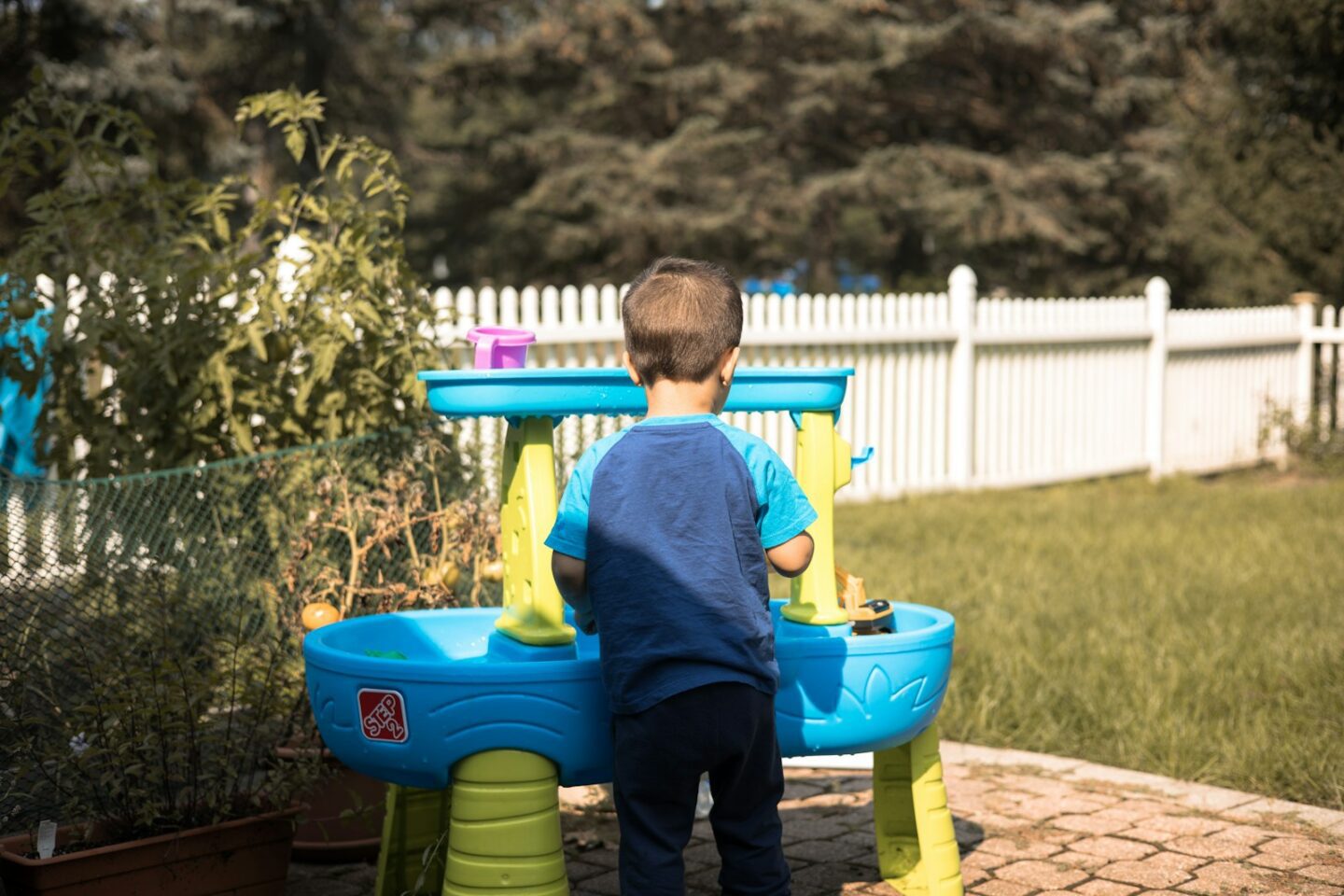
But with a bit of strategy, you can keep that garden play area looking decent and, more importantly, safe for your little ones. So, keep reading for some tried-and-true hacks.
Inspect the Equipment
Before you dive in with buckets of water and sponges, take a good look at what you’re actually dealing with.
Walk around each piece of equipment and check the joints, bolts, and connecting points where wear tends to show up first. Also, look for rust on metal components, splinters or cracks in wooden structures, and any wobbling that shouldn’t be there.
This way, you can catch small problems before they turn into expensive repairs or, worse, accidents.
Next, jot down anything that looks dodgy so you can tackle it soon rather than forgetting about it the moment you go inside for a cup of tea.
And if you’ve got children old enough to help, bring them along. It’s a surprisingly good way to teach them about safety and responsibility while making them feel involved.
Gather Your Cleaning Supplies
Once you know what needs your attention, it’s time to grab your supplies, and the good news is that you probably have everything you need at home.
- A bucket of warm, soapy water. Fill a bucket with warm water and a mild washing-up liquid to handle everyday dirt, slime, and general outdoor grime without using anything harsh.
- White vinegar or baking soda. Keep one of these handy for stubborn patches that refuse to budge, especially around the joints and corners where muck tends to build up.
- Soft-bristle brush. Use this for textured surfaces, bolts, and crevices where dirt settles in.
- Microfibre cloths. These are ideal for wiping down smooth plastic and metal surfaces without leaving lint or streaks behind.
- Non-abrasive sponge. Use this when a quick wipe won’t cut it, but you don’t want to scratch the metal.
- Garden hose. A thorough rinse helps wash away loosened dirt and leftover soap, which reduces the risk of rust and mildew forming later.
Once everything’s within arm’s reach, the whole job will be way more manageable, and you won’t have to trek back and forth to your shed every five minutes.
Tackle the Metal Components First
The metal parts, like the swing chains, slide rails, and climbing bars, tend to collect dirt and moisture, which means they’re also the first to rust if neglected.
Start by giving everything a thorough wipe-down with your soapy water mixture, paying special attention to joints and crevices where grime tends to hide.
Then, use your sponge to scrub away any stubborn patches. If grime is really hanging on, a splash of white vinegar can help cut through it without damaging the metal.
Once you’ve removed the dirt, rinse everything with clean water from the hose. This step matters more than you’d think because leftover residue can actually cause rust over time.
Finally, dry the metal with a clean cloth to get rid of any moisture. Yes, it sounds like an extra step, but it’ll keep everything in better shape for longer, especially during the UK’s famously unpredictable weather.
Move On to the Plastic and Wooden Surfaces
Plastic slides, steering wheels, and panels are remarkably forgiving, but they still benefit from a good scrub every now and then.
The same soapy water solution works perfectly here. For slime or ground-in dirt, sprinkle a little baking soda onto a damp sponge and give it a gentle scrub before rinsing everything off.
As for wooden structures, these need a gentler touch. Check for splinters first, and if you spot any, sand them down carefully before cleaning.
Then, use a damp cloth with a mild wood-safe product to wipe away dirt without soaking the timber.
In any case, avoid using pressure washers on wood unless you fancy replacing the planks next season. They can force water deep into the grain, leading to rot and warping.
Apply Protective Treatments
Once everything is clean and dry, it’s time to add a layer of protection that’ll make your next cleaning session considerably easier.
For metal parts, a light coating of silicone spray on the moving components, like the swing chains and hinges, will keep things gliding smoothly and prevent rust.
Don’t overdo it, though. A little goes a long way, and you don’t want your kids ending up covered in the product.
When it comes to wooden structures, apply a fresh coat of eco-friendly wood sealant or preservative, especially if you’ve noticed the existing finish starting to peel or fade.
This will shield the timber from moisture and UV damage, which are the two biggest enemies of wood.
And don’t forget about safety. Check that any product you use is non-toxic and suitable for play equipment. The last thing you need is a five-year-old licking a freshly treated climbing frame.
Tighten, Adjust, and Secure
Now that the pieces are clean and protected, take a few minutes to check that they’re all properly fastened.
Go through each bolt, screw, and connection point with a spanner or screwdriver, tightening anything that’s worked itself loose over time.
If you find any missing bolts or damaged fixings, replace them straightaway. Most hardware shops stock standard replacement parts, or you can order specific components online if your equipment came with a model number.
This is also a good moment to check the ground anchors and make sure they’re still firmly in place, especially if it has rained recently.
Stick to a Simple Maintenance Routine
Cleaning once and hoping for the best won’t cut it. But luckily, staying on top of things doesn’t require heroic effort or endless cleaning marathons.
Every couple of weeks, take five minutes to check the equipment for obvious issues, like loose parts, developing rust, or suspicious creaking noises.
Then, do a proper clean every month or two, depending on how much use the equipment gets and what the British weather has been throwing at it.
Most homeowners find this routine easy to maintain. However, if you’re pressed for time and want to focus on your outdoor space, consider bringing in cleaning companies to freshen up the indoors.
It’s a clever way to tick two jobs off your list without burning yourself out, and you’ll return to a spotless kitchen after conquering the garden.
Conclusion
Keeping your outdoor play equipment in good shape is absolutely doable, even when your children seem determined to test its limits daily.
So, grab your bucket and give our tips a go. Your children will carry on launching themselves off slides with wild abandon, and you’ll actually be able to enjoy watching them without wondering if today is the day that swing finally gives up.
This is a collaborative post.