How Homeowners Can Handle Sewer and Pipe Issues Without Major Disruption
Sewer and pipe problems are among the most frustrating issues a homeowner can face. Unlike a flickering light or a squeaky door that can be postponed until convenient, problems with sewer lines or underground pipes demand immediate attention. When left unaddressed, they can lead to water damage, foul odours, lawn sinkholes, and even contamination of clean water supplies.
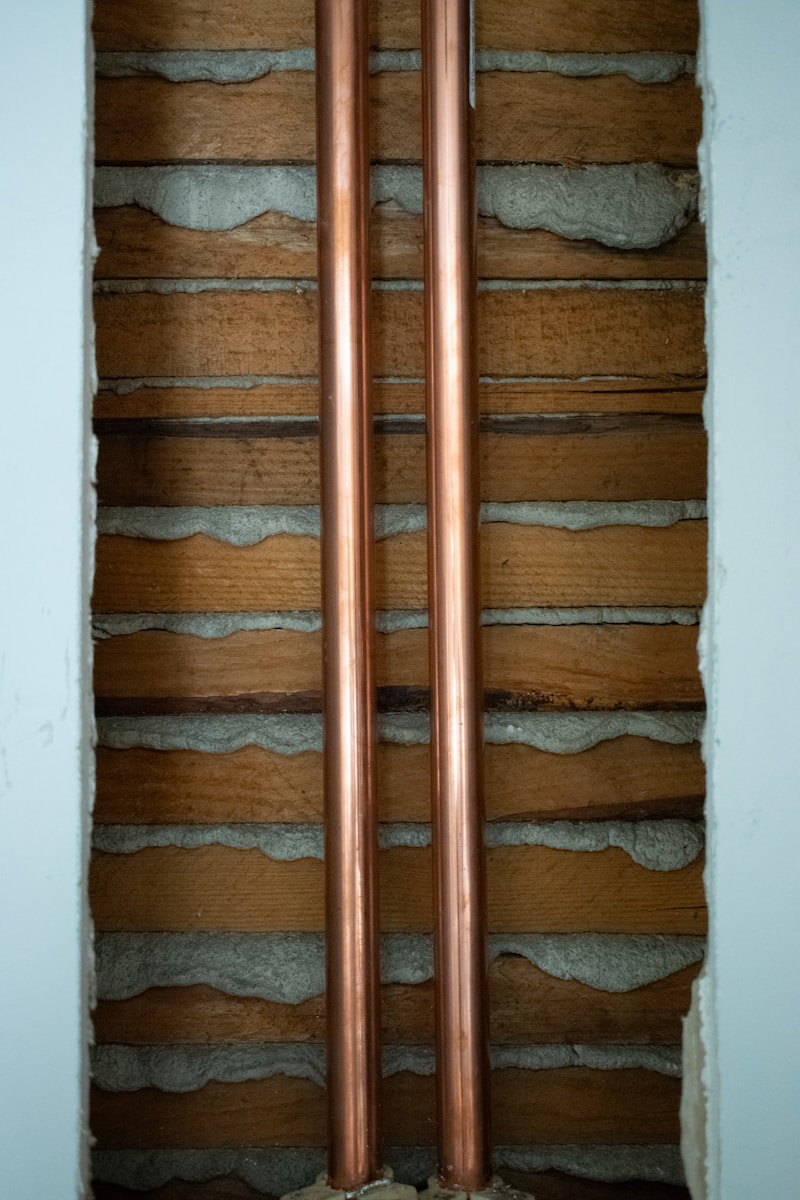
The good news is that modern techniques and thoughtful planning allow most homeowners to handle these challenges without turning their property into a construction zone. With the right approach, professional expertise, and preventive measures, sewer and pipe repairs can be managed efficiently, with minimal disruption to daily life.
Having said that, below, we explore practical strategies for managing sewer and pipe issues while keeping disruption to a minimum.
1. Early Detection and Regular Maintenance
The best way to avoid major sewer or pipe disruptions is to catch problems early—before they escalate. Many homeowners do not realise they have a developing issue until symptoms become severe, such as:
- Slow drains,
- Gurgling sounds, or
- Water is backing up into fixtures.
What often starts as a minor clog can turn into a cracked pipe or full blockage if left unchecked. Routine inspections help identify early signs of trouble, including tree root intrusion, corrosion, or slight misalignment in underground lines. Cameras inserted into sewer lines allow plumbers to inspect the interior without digging up yards or driveways, enabling targeted repairs that avoid unnecessary excavation.
By scheduling regular maintenance and inspection—especially in older homes—homeowners give themselves the best chance of addressing issues before they become disruptive or costly.
2. Trenchless Technology for Minimally Invasive Repairs
One of the biggest advances in sewer and pipe repair over the past few decades is the development of trenchless technology. Traditional methods involve extensive digging to access underground lines, often leaving lawns, driveways, and landscaping in disarray.
In contrast, trenchless repair allows technicians to fix or replace pipes with little to no excavation, preserving property features and cutting down on cleanup time. Homeowners exploring non-disruptive solutions often learn about options like pipe lining or pipe bursting. Both methods involve accessing the sewer line through small entry points rather than open trenches.
Reputable providers like Trenchless Solutions specialise in these techniques and offer alternatives that are less time-consuming and far less invasive than traditional dig-and-replace methods. All in all, by choosing trenchless solutions early, homeowners can avoid the stress of large-scale construction while still addressing the root of the problem effectively.
3. Strategic Scheduling and Preparation
Even minimally invasive repairs require planning to ensure they cause as little disruption as possible. Homeowners who have faced sewer work before know that timing, communication, and preparation make a big difference.
Smart scheduling includes:
- Planning work during periods when the home sees less use.
- Coordinating with service providers for precise timing.
- Preparing access points around the entry area.
- Informing household members about expected timelines and access restrictions.
Preparation also involves clearing belongings or furniture away from work zones—especially in basements or near utility access points—to allow technicians to work efficiently and safely. A clear workspace helps the job proceed faster, ultimately reducing the time the household spends on repair activities.
4. Using Technology for Troubleshooting and Communication
Advances in diagnostic tools have helped homeowners understand their sewer systems better without guessing or using trial-and-error approaches. Technologies like:
- Video pipe inspections.
- Acoustic leak detection.
- Pressure testing of lines.
help pinpoint issues accurately. These tools eliminate unnecessary digging or blind repairs, ensuring that the correct problem area is addressed the first time.
Effective communication with plumbing professionals also reduces confusion and delays. Homeowners who receive clear explanations of findings, timelines, and costs are better equipped to plan their daily routines around the repair work. A well-informed homeowner can ask informed questions, clarify expectations, and avoid surprises that often lead to stress.
Sewer and pipe issues do not have to upend your home life. With early detection, thoughtful planning, and access to minimally invasive repair options like trenchless technology, homeowners can manage problems in ways that preserve both property and peace of mind. Strategic scheduling, clear communication with professionals, and preparation around work sites make daily life easier while repairs are underway.
Whether you are dealing with a minor clog or a major line failure, understanding your options empowers you to tackle the issue effectively—without letting sewer and pipe problems dominate your home routine. If you prioritise solutions that minimise disruption, protect your property, and address the root cause, you can keep your home functioning smoothly—even when unexpected challenges arise.
This is a collaborative post.