6 Healthy Food Trends You Need to Know in 2026
Food trends move fast, but what’s interesting right now isn’t just what we’re eating – it’s why. Over the past few years, our approach to food has shifted. We’re thinking more about wellbeing, budgets, sustainability and convenience, all at the same time.
If you’re wondering what’s genuinely shaping supermarket shelves (and family meal plans) this year, here’s what to watch.
Mindful drinking is the new normal
Socialising still often involves a drink, but the way we drink has changed. More of us are becoming openly health-conscious, prioritising sleep, mental clarity and balance over excess.
Low- and no-alcohol options are no longer an afterthought. Alcohol-free beers, botanical spirits and sophisticated 0% wines are everywhere – and they’re genuinely enjoyable now. Many bars have dedicated alcohol-free menus, and supermarkets have expanded their ranges dramatically.
Rather than focusing purely on calorie reduction, today’s shift is about moderation. It’s about having the option to enjoy the ritual without the after-effects. For busy parents, professionals and anyone juggling a lot, that balance feels important.
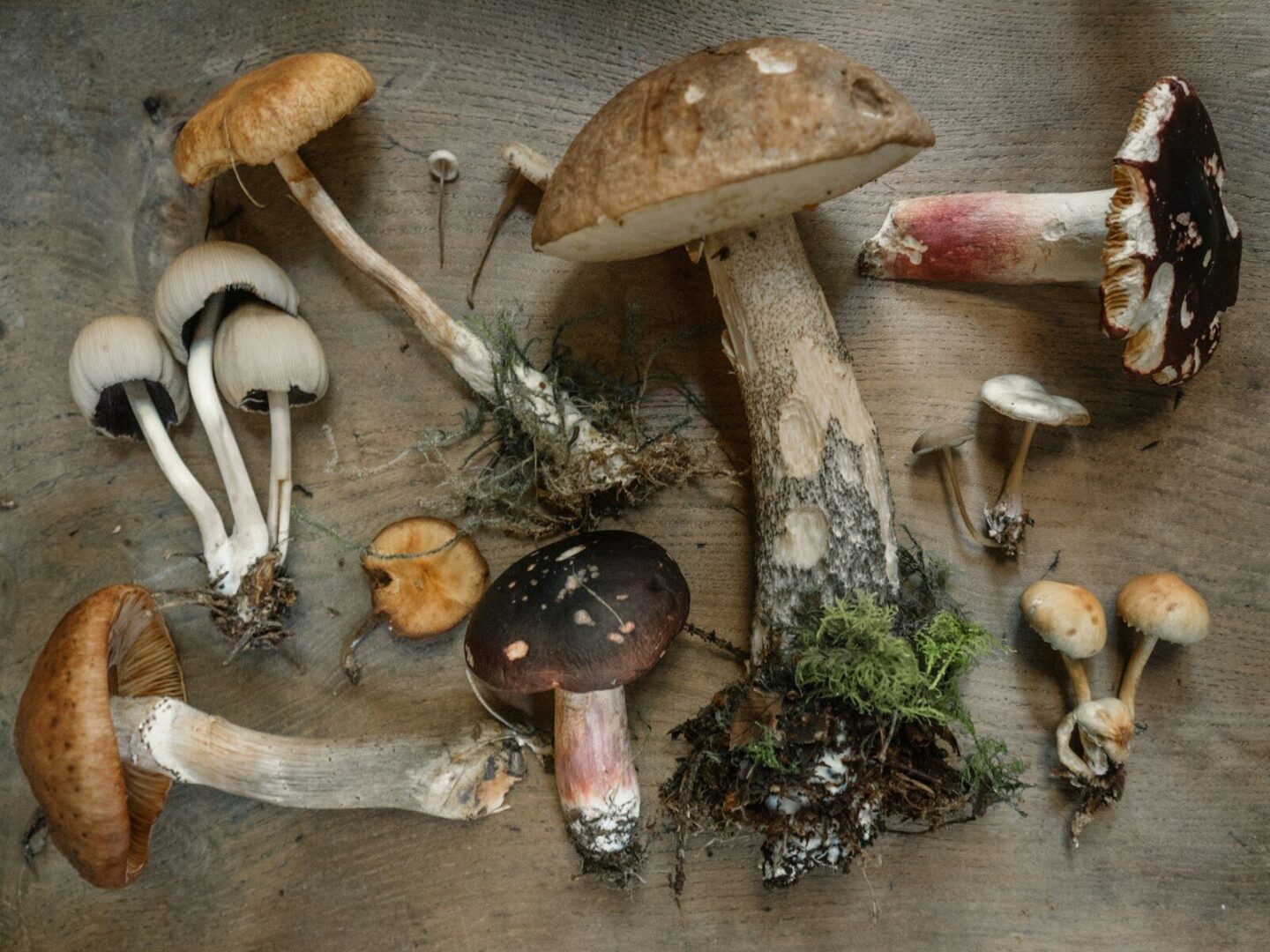
Functional mushrooms and the rise of fungi
Mushrooms have moved well beyond the stir-fry.
Interest in fungi has grown significantly, especially varieties thought to have adaptogenic properties. Adaptogenic ingredients are believed to help the body respond to stress and support overall well-being, which explains why they’re popping up in everything from coffee blends to snack bars.
Lion’s mane, reishi and cordyceps are now widely available in powdered or extract form. You’ll find them in supermarket health aisles, high street cafés and online wellness shops. Research continues into the potential benefits of fungi, including immune support and cognitive function.
At the same time, there’s also renewed appreciation for everyday mushrooms. Shiitake and chestnut mushrooms are valued not just for flavour but for their antioxidant content and vitamin D levels.
And if you’re not keen on supplements, simply cooking mushrooms with miso or soy sauce remains one of the easiest ways to enjoy their rich, savoury depth.
Less meat, more balance
Plant-based eating isn’t a passing phase anymore. Whether fully vegan, vegetarian, or simply cutting back, many families are reducing their meat consumption.
For some, it’s about health. For others, it’s environmental concerns or food costs. Most commonly, it’s about flexibility – eating more plant-based meals during the week while keeping things realistic.
Supermarkets now offer extensive meat-free ranges, from plant-based burgers and sausages to dairy-free cheeses and ready meals. At the same time, there’s a noticeable move back towards whole foods – lentils, beans, chickpeas and grains – rather than heavily processed alternatives.
It’s less about labels and more about balance. A simple bean chilli one night, a traditional roast the next. Real life, not perfection.
New protein priorities
Protein is still a focus, but the sources are evolving.
While whey once dominated, plant-based options like pea protein, hemp and brown rice blends are now widely available. Pea protein in particular has grown in popularity thanks to its mild taste and versatility.
High-protein yoghurts, snack bars and ready meals are marketed less at bodybuilders and more at busy households trying to stay fuller for longer. Protein isn’t just about gym goals – it’s about convenience and steady energy during packed days.
Whole-food proteins such as tofu, tempeh, lentils and eggs also continue to feature strongly in family cooking, offering affordable and practical options.
Growing your own (even just a little)
Rising food prices, supply chain disruption and climate challenges have all influenced how we shop. Fresh produce costs can fluctuate dramatically, and that uncertainty has encouraged more people to think about growing their own.
Keen and amateur gardeners are once again heading outdoors to plant their own vegetables, even if it’s just a few pots on a patio. Tomatoes, herbs, salad leaves and courgettes remain popular starter crops.
For many families, it’s not about becoming self-sufficient. It’s about supplementing the weekly shop, reducing packaging and reconnecting with food. There’s something grounding about watching something grow – especially for children.
Even small steps can make a difference.
The biggest shift in food right now isn’t one single ingredient; it’s intention.
People are thinking more carefully about what they eat and drink. They’re balancing health, affordability and sustainability without striving for perfection. From adaptogenic fungi to alcohol-free options and families choosing to plant their own vegetables, food trends in 2026 feel more thoughtful than flashy – and that feels like progress.
This is a collaborative post.