Simple Decorating Tips to Make Your Home Feel More Like You
Decorating your home is exciting, but pulling a room together can be harder than it looks. A paint colour you loved in the shop might feel completely different on your walls, while furniture that looked perfect online can overwhelm the space once it arrives.
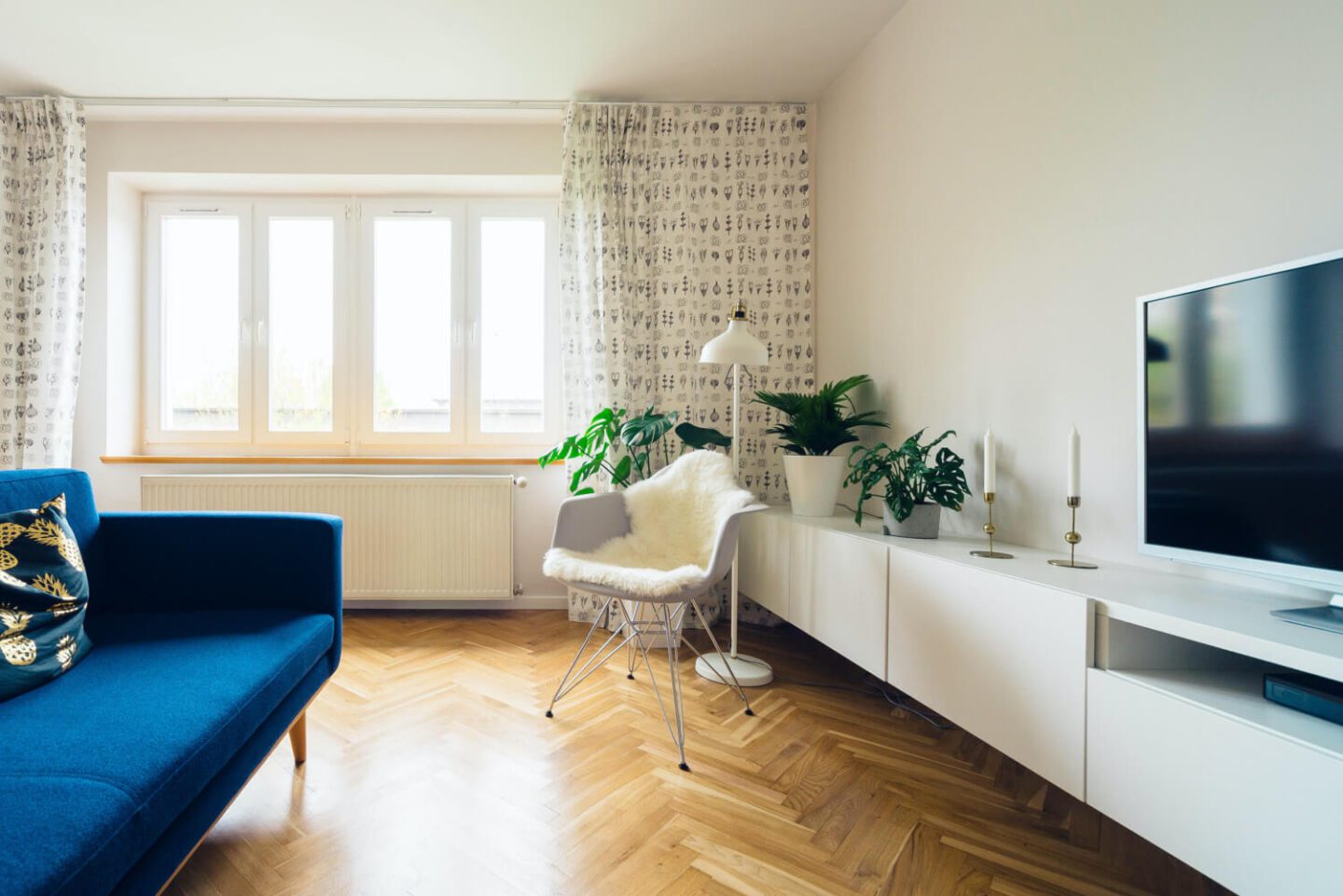
Whether you’re settling into a new home or refreshing a room you’ve grown tired of, a little planning can help you avoid expensive mistakes. You don’t need to replace everything, either. Sometimes a better layout, softer lighting and a few personal touches are enough to make a room feel lovely again.
Start With How You Use the Room
Before choosing colours or buying accessories, think about what you need the room to do. A living room used for family films, homework and relaxing with a book needs a slightly different approach from one mainly used for entertaining.
Notice what already works and what frustrates you. Perhaps there’s nowhere to put your cup of tea, the lighting is too harsh in the evenings, or toys always end up piled beside the sofa. Sorting out those everyday annoyances will make more difference than adding another decorative cushion.
Set a budget and prioritise the changes that will have the biggest impact. Remember to allow for the less exciting bits, such as paint preparation, curtain poles and picture frames, as these can soon add up.
Choose Colours That Work in Your Home
Light, neutral colours can provide a flexible backdrop, particularly if you enjoy changing your accessories. Warm whites, soft beige and muted greens are all options, but there’s no need to avoid stronger colours if you love them.
A small room doesn’t automatically need white walls. A deeper shade can make a bedroom or snug feel cosy and inviting, while a pale colour may feel rather flat if the room receives little natural light.
Try paint samples before committing. Paint large pieces of lining paper and move them around the room, checking how they look in daylight and under your lamps in the evening. Compare them with your flooring, sofa and curtains, too, especially if those are staying.
For a starting point, choose a colour from something you already love, such as a rug, print or favourite fabric, and build the rest of the room around it.
Measure Before Buying Furniture
Furniture needs to suit the proportions of your room as well as your taste. A sofa that looks compact in a showroom can feel enormous in a smaller living room, particularly once you add a coffee table and chairs.
Measure your space and mark out potential purchases on the floor with masking tape. Check that you can still open doors, pull out dining chairs and move comfortably around the room. Before ordering larger pieces, measure doorways, stairs and any tight corners along the delivery route.
Try rearranging what you already own first. Moving an armchair nearer the window or taking out an unused side table might improve the room without costing anything.
Use Mirrors Where They Make a Difference
A well-placed mirror can reflect daylight and help a room feel more open, but you don’t need one in every room.
Look at what the mirror will reflect before deciding where to hang it. A view of the garden, a favourite painting or an attractive corner is likely to work better than a cluttered worktop or coat rack.
Placing a mirror opposite or beside a window can help make the most of the available light. In a hallway, a mirror above a narrow console table can be both useful and decorative.
Choose a size that feels balanced against the wall or furniture beneath it, and use suitable fixings for the mirror’s weight and your wall type.
Hang Artwork With Confidence
Artwork is one of the easiest ways to give your home personality. It doesn’t have to be expensive or match everything else perfectly. Family photographs, prints from places you’ve visited and children’s drawings can all deserve a place on your walls.
Think about the overall arrangement rather than assuming small rooms need small pictures. One larger piece can work beautifully in a compact space, while several tiny frames scattered across a big wall may look a little lost.
As a starting point, hang artwork with its centre roughly at eye level. Above a sofa or sideboard, position it so that it feels connected to the furniture rather than floating high above it.
If you’re planning a gallery wall, arrange the frames on the floor first. Paper templates attached to the wall with a suitable removable adhesive can help you check spacing before making holes.
Add Layers of Lighting
Lighting can change how a room feels, especially during darker afternoons and evenings. Relying on one bright ceiling light can leave a space feeling harsh, even when the rest of the decor is lovely.
Try combining three types of lighting:
- General lighting: Ceiling lights or other fittings that illuminate the room.
- Task lighting: A reading lamp beside an armchair, a desk lamp or lighting over a kitchen worktop.
- Accent lighting: Light used to highlight shelves, artwork or a particular feature.
You don’t need all three everywhere. A ceiling light and a couple of carefully positioned lamps may be enough for a comfortable living room.
Pay attention to the bulbs as well as the fittings. Warm white light often suits bedrooms and living spaces, while work areas need enough brightness for the task. If you use dimmers, check that both the bulbs and switches are compatible.
For help choosing efficient bulbs, the Energy Saving Trust’s guide to home lighting explains the options, including LEDs.
Bring in Texture and Soft Furnishings
If a room feels a little unfinished, texture may be what’s missing. Linen curtains, a woven rug, wooden furniture and a soft throw can add interest without introducing lots of extra colours.
Choose pieces that fit your everyday life. Washable cushion covers and practical fabrics are particularly useful in a busy family home, and a beautiful throw is even better when you’re happy to curl up under it.
Consider rug size carefully, too. In a seating area, a rug large enough to sit beneath the front legs of the main furniture can help bring the arrangement together.
For more ideas for comfortable evenings in, have a look at my tips on getting cosy at home during the colder months.
Add Personality Without Rushing to Fill Every Gap
It’s tempting to buy all your finishing touches at once, but leaving some space gives you time to work out what you actually like.
Display a few things that mean something to you: favourite books, holiday finds, photographs or a vase you’ve had for years. Try moving accessories between rooms before buying more. Something you barely notice on a bedroom shelf might look lovely on the mantelpiece.
Second-hand shops and local selling groups can also be useful places to find furniture and accessories with character. Check measurements and condition carefully, and consider whether any repairs are realistic for your budget and skills.
You don’t need every shelf filled or every piece of furniture to match. A home can come together gradually and still feel welcoming along the way.
Decorating your home works best when you balance the look you love with the way you actually live. Start with one room, make the practical decisions first and give yourself time to choose the finishing touches.
A comfortable chair, lighting that suits the evening and a few belongings you love can do far more for a room than a collection of things bought simply to fill it.