How to Decorate Your Home on a Budget: 9 Affordable Ideas
Decorating your home does not have to cost a fortune. It is easy to put it off because you imagine weeks of disruption and an enormous shopping bill, but smaller changes can often make the biggest difference.
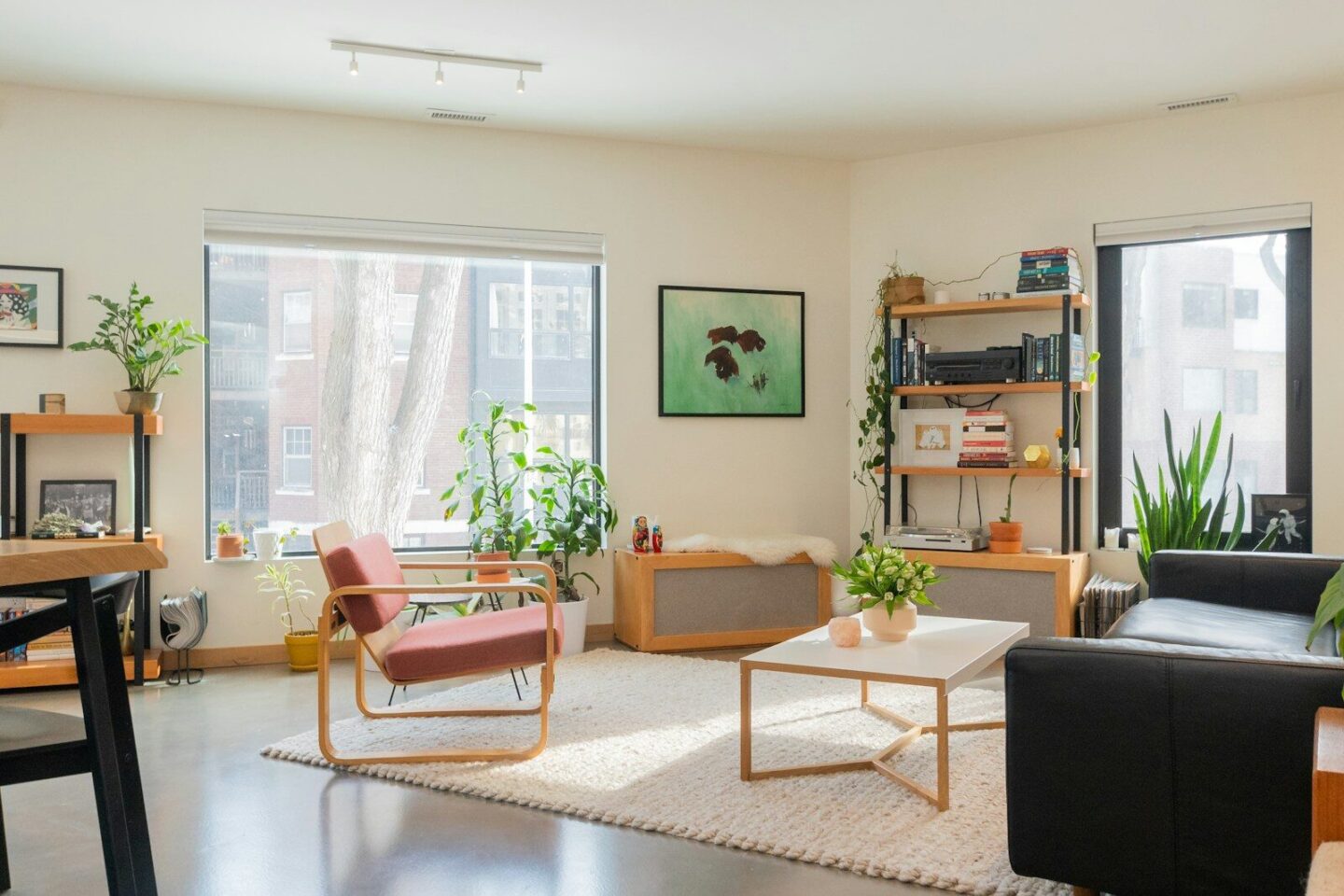
A fresh coat of paint, a few carefully chosen accessories or simply rearranging what you already own can completely change how a room looks and feels. Whether you have recently moved house or just fancy giving your surroundings a refresh, these budget-friendly decorating ideas will help you create a home you love without spending more than you can afford.
Decide on Your Budget Before You Start
Before buying anything, decide how much you can realistically afford to spend. It can be tempting to start picking up little bits here and there, but those smaller purchases soon add up.
Make a list of the rooms you want to tackle and the changes that will have the greatest impact. You might decide that the living room needs painting, for example, while the bedroom only requires new bedding and better lighting.
Try to concentrate on one room at a time. This makes the project feel much more manageable and helps prevent half-finished jobs throughout the house.
Shop Your Own Home
Before heading to the shops, look around your home to see what you could move, reuse or display differently. A lamp from the bedroom might work perfectly in a dark corner of the living room, while artwork could be moved to another wall to give it a completely different feel.
Rearranging furniture is another completely free way to refresh a space. Experiment with different layouts, especially if the room currently feels cramped or awkward. These ideas for making the most of a small living room may help if you are short on space.
It is surprising how different a room can look when you remove unnecessary furniture, clear clutter from visible surfaces and move a few familiar pieces around.
Replace Handles and Other Hardware
Handles, knobs, cupboard pulls and light switches are easy to overlook, but they can have a noticeable effect on the overall appearance of a room. Replacing old or damaged hardware is usually much cheaper than buying new doors, cabinets or furniture.
New cupboard handles can give a dated kitchen an affordable facelift, while changing the handles on a chest of drawers can make a fairly ordinary piece feel more distinctive. You could also spray-paint existing handles, provided you use a product that is suitable for the material.
Measure carefully before ordering replacements, particularly when changing cupboard pulls with two fixing holes. Choosing the same size will save you from having to fill and drill new holes.
Look for Second-Hand Furniture
You do not necessarily need to buy brand-new furniture to find something attractive and well made. Charity shops, online marketplaces, local selling groups and car boot sales can all be brilliant places to find affordable pieces.
The British Heart Foundation sells a selection of preloved furniture and homeware online and through its furniture shops. Buying second-hand can help your budget stretch further while keeping usable items in circulation.
Check measurements carefully and inspect furniture for damage before buying. If you are purchasing an upholstered item, make sure it still has its fire safety label attached.
Upcycle What You Already Have
Before replacing a tired piece of furniture, consider whether it could be repaired or updated. A wooden table might only need sanding and refinishing, while a bookcase could be transformed with leftover paint or peel-and-stick wallpaper on the back panels.
Even simple changes can work well. You could replace furniture legs, add baskets to open shelves or use decorative paper to line drawers. Always clean and prepare surfaces properly before painting, and check that your chosen product is suitable for the material.
Upcycling can take a little more time than buying something new, but it allows you to create a piece that fits your room and your style without spending a lot.
Add Cushions and Throws
Soft furnishings are one of the quickest ways to introduce colour, pattern and texture. New cushions, throws, bedding or curtains can update a room without requiring any permanent changes.
Rather than buying everything at once, choose a small colour palette and build around it. You do not need perfectly matching pieces. Combining a few complementary colours and textures often creates a warmer, more relaxed look.
Changing cushion covers is usually cheaper than replacing the whole cushion. It also makes it easier to store seasonal designs when you are not using them. If you are unsure which colours or patterns will work together, Pinterest can be a useful place to collect ideas before spending anything.
Use Mirrors to Increase Light
Mirrors are particularly useful in smaller or darker rooms because they reflect light and can help the space feel brighter and more open.
Positioning a mirror opposite or close to a window will usually make the most of the available daylight. A large mirror above a fireplace can create a focal point, while a full-length mirror can work well in a bedroom or hallway.
Mirrors do not have to be expensive. Look in charity shops and second-hand marketplaces for interesting frames. If you like the shape but not the finish, you may be able to repaint the frame to suit your room.
Make sure heavier mirrors are attached securely using fixings suitable for the wall.
Refresh the Walls with Paint
A fresh coat of paint can make an enormous difference, whether you are introducing a new colour or simply covering marks and scuffs.
If your budget is limited, you do not have to paint the entire room. Try painting one feature wall, the chimney breast, a recessed area or the inside of a cupboard. Painting skirting boards and door frames can also help the whole room feel cleaner and more finished.
Measure the room before shopping so you do not buy much more paint than you need. The B&Q wall paint calculator can give you a useful estimate based on the size of the walls and the number of coats required.
Look out for discounted tins, tester pots and leftover paint from previous projects. Community RePaint also works with organisations across the UK to collect reusable paint and redistribute it at affordable prices.
Create Affordable Wall Art
Empty walls can make a room feel unfinished, but artwork does not have to be expensive. Frame postcards, children’s drawings, fabric samples, pressed flowers or pages from an old calendar to create something personal.
Digital prints can also be an affordable option, especially if you already have frames at home. Try using a mixture of inexpensive frames in the same colour to make the display feel more coordinated.
Plan a gallery wall on the floor before putting anything up. You can also cut pieces of paper to the size of each frame and temporarily attach them to the wall to test the arrangement without making unnecessary holes.
Pay Attention to Lighting
Lighting has a huge influence on how a room feels. A single bright ceiling light can make a space feel quite stark, whereas several softer light sources can create a warmer and more inviting atmosphere.
Use table lamps and floor lamps to brighten darker corners, and choose warm-toned bulbs in rooms where you want to relax. If the lamps themselves are still in good condition, replacing the shades may be all that is needed.
Candles and battery-operated lights can add a cosy glow too, although real candles should always be kept away from curtains, soft furnishings, children and pets.
Add a Few Finishing Touches
Once the main work is finished, add a few accessories that make the room feel like yours. Books, framed photographs, plants, trays and favourite ornaments can bring personality to a space without overwhelming it.
Try grouping accessories in small collections rather than spreading them evenly across every surface. Leaving some empty space will help the pieces you choose stand out and make the room easier to keep tidy.
It is worth remembering that decorating does not need to be completed in a weekend. Living in the space for a while can help you decide what it genuinely needs, rather than buying things simply to fill a gap.
Decorating your home on a budget is really about making thoughtful changes rather than buying everything new. Start with what you already have, focus on the updates that will make the greatest difference and take your time finding pieces you genuinely love.
A room that feels comfortable and personal is far more important than one that follows every current interior trend. With a little creativity, you can give your home a lovely fresh feel without putting unnecessary pressure on your bank balance.