Thinking About LASIK? Here’s What You Should Understand First
Clear vision shapes everyday comfort. Yet many people still deal with foggy glasses, dry lenses, or the small frustrations that come with corrective wear. These issues interrupt workouts, travel, workdays, and even simple morning routines.
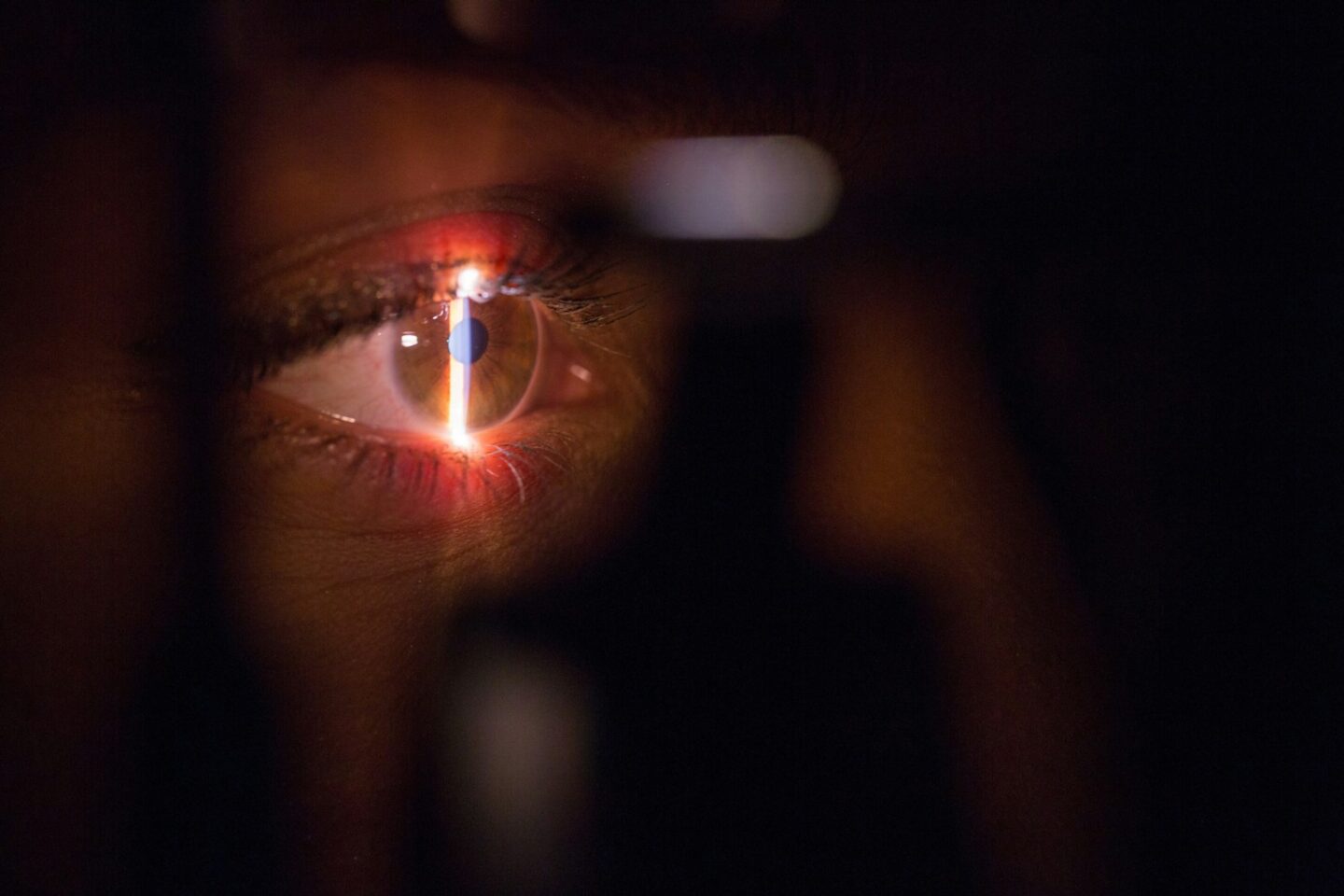
It’s no surprise that so many people start exploring long-term vision options. In many cities, including Bellevue, interest in vision correction has grown as people look for easier ways to move through life.
Before choosing any procedure, it helps to understand how it works, what benefits people notice, and what to expect along the way. This article walks you through those details in a simple, calm way so the choice feels lighter and clearer.
What Exactly Is LASIK?
This procedure gently reshapes the cornea using precise laser technology. That change helps light enter the eye correctly, improving how clearly you see. The process targets issues like nearsightedness, farsightedness, or astigmatism. Many people choose it because the actual appointment is quick and the improvement begins fast.
People often explore clinics for LASIK in Bellevue that offer detailed evaluations, modern imaging tools, and personalised care. Notably, centres such as Bellevue Precision Vision provide these features. Their team focuses on custom planning, advanced diagnostics, and a careful review of your eye health before suggesting anything. That kind of structured approach helps people feel safe and supported while deciding.
Knowing the basics makes the next steps feel simpler. You understand how the treatment works, why the cornea matters, and how small changes can sharpen everyday life.
The Benefits People Notice Most
Many people share similar improvements after their procedure. These changes often show up in daily moments more than dramatic events.
Here are some of the most common benefits:
- Waking up with a clear vision instantly
- No need to search for glasses
- relief from dry or irritated contact lenses
- smoother travel and outdoor activities
- a sense of freedom during workouts or swimming
These simple shifts remove small stresses that often go unnoticed until they disappear. Many people describe feeling lighter throughout the day because their routine becomes easier.
Important Factors to Consider Before Choosing LASIK
Not everyone is the perfect candidate, and that’s completely normal. Knowing the factors early helps avoid confusion later.
- Eye health: Your corneas must be healthy and of a certain thickness for safe reshaping. A thorough eye exam checks this first.
- Stable prescription: Your prescription shouldn’t change frequently. Stability helps the results last longer.
- Expectations: Improvement is the goal, not “perfect vision for life.” Most people see extremely well afterward, but their eyes still age naturally.
- Medical history: Some conditions affect suitability. Good clinics explain this gently so there’s no guesswork.
These points don’t make the choice harder. They make it clearer and more honest, which is what most people want before saying yes.
What the Consultation Process Looks Like
The consultation feels more like a conversation than anything else. It helps you understand your eyes and your options in a comfortable way.
It usually includes:
- advanced eye imaging and measurements
- reviewing your lifestyle needs
- walking through the treatment step by step
- discussing questions or worries
- exploring realistic outcomes
Providers often share visuals that explain how the cornea works and how small changes improve clarity. People usually leave the consultation feeling calmer because the mystery around the procedure fades.
Life After LASIK — What to Expect
The healing process is surprisingly simple for most people.
- First few hours: Your eyes may feel slightly sensitive. Rest helps.
- First day: Most people notice clearer vision very quickly. Some describe it as “sharpness arriving in layers.”
- First week: Hydration and gentle care help the eyes settle. Many return to their usual routine quickly.
- First month: Vision becomes steady. People enjoy long-term comfort during reading, driving, and outdoor activities.
Small habits support smoother healing:
- Avoid rubbing your eyes
- Follow eye drop schedules
- wear protective shields at night when recommended
- Limit screens during the first day
Healing works best when you give your eyes simple, quiet time.
How to Know If the Procedure Fits Your Lifestyle
This decision blends personal preference, health, and timing.
It may be a good fit if:
- You want fewer interruptions in your routine
- You live an active lifestyle
- Glasses or lenses limit your comfort
- You want clarity without ongoing maintenance
- Your prescription has been stable for years
Thinking about your lifestyle helps more than any single eye test. It gives clarity about how important long-term visual freedom feels for you.
Conclusion
Clear vision shapes how comfortably you move through the world. Learning about this procedure helps you decide without pressure or confusion. When guided by a skilled provider who studies your eyes carefully and explains each step, the experience becomes calm and reassuring.
If you want a life with less visual strain and more daily ease, this option may be worth exploring. A thoughtful approach, steady guidance, and realistic expectations create a path that feels both safe and empowering.
This is a collaborative post.