How Global Trends Influence Everyday Life and Choices
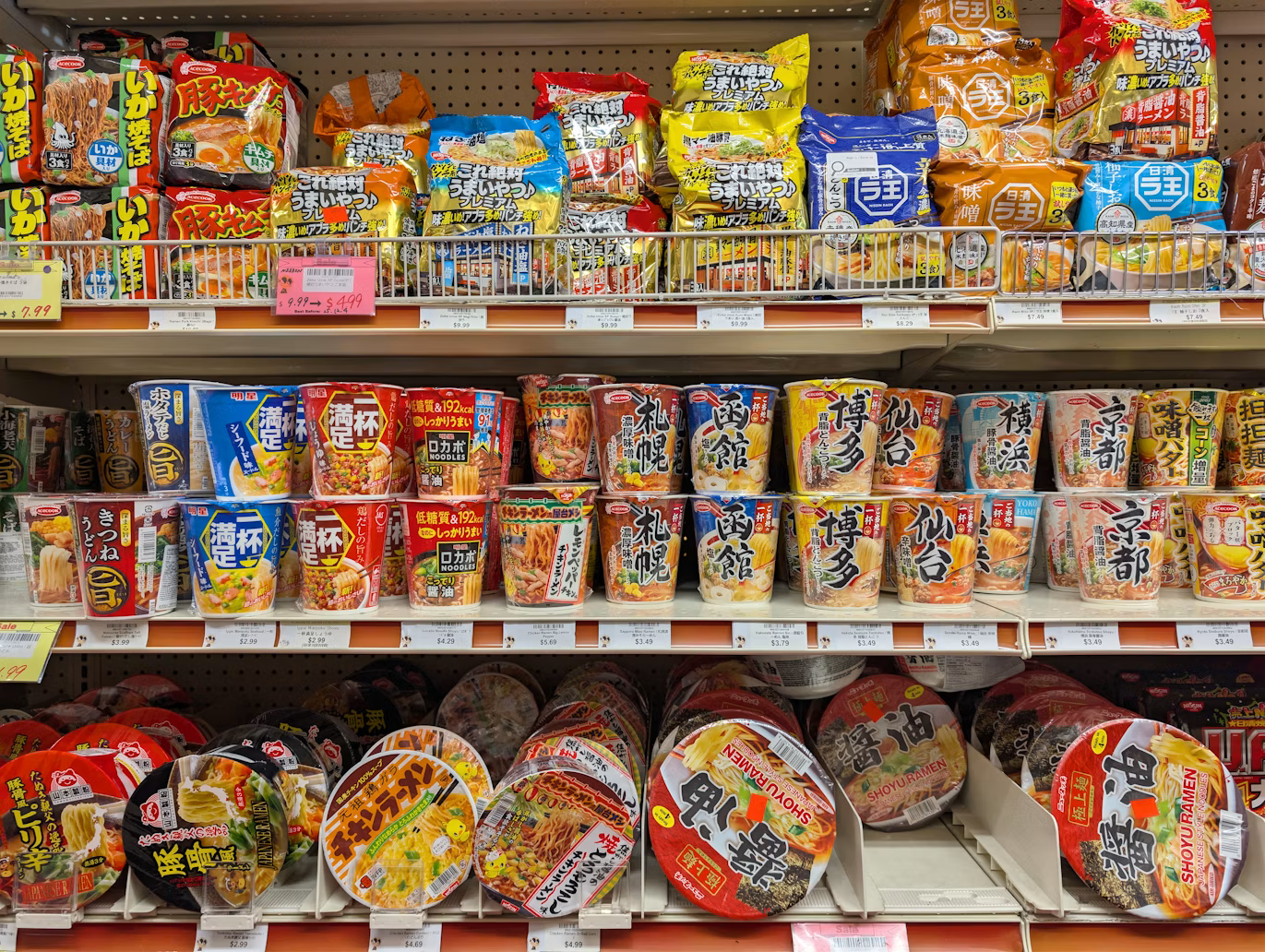
From morning coffee to the smartphone in someone’s pocket, global connections shape nearly every part of daily life. It’s easy to overlook, but the products people use, the foods they eat, and even the jobs they pursue are often tied to trends happening thousands of miles away. Understanding these connections can help people make more informed and intentional choices in everyday life.
The Ripple Effect of Global Markets
The global economy is a complex web where a single event can cause ripples that reach your local grocery store. For example, a frost in a major coffee-growing region can lead to higher prices for your favourite beans. Similarly, disruptions in international shipping can delay the arrival of electronics or furniture, affecting availability and cost.
The impact of global trends on local markets is constant, influencing everything from the price of gas to the selection on store shelves. While these large-scale events can’t be controlled by individual consumers, being aware of them helps explain the price changes and product shortages people sometimes experience.
Finding International Products Locally
One of the most enjoyable things about a connected world is the access it gives people to international goods. Your local supermarket likely has an aisle filled with sauces, snacks, and drinks from across the globe. This accessibility allows people to explore different cultures through food without ever leaving their hometown.
International brands also bring more variety to everyday life, from fashion and beauty products to home goods and speciality ingredients. This gives consumers more choice and brings a taste of the world right to their doorsteps.
Career Opportunities in a Global Economy
Globalization doesn’t just affect what you buy; it also influences how you work. The rise of remote work has opened up opportunities to collaborate with teams from different countries, bringing diverse perspectives to projects. Many domestic industries, such as logistics, technology, and manufacturing, are deeply intertwined with international trade, creating a wide range of jobs that depend on a global supply chain.
The presence of French companies in America, for instance, can create roles in retail, food production, beauty, manufacturing, distribution, marketing, and corporate operations. You might work for a foreign company with an office in your city or in a role that requires coordinating with international suppliers. This interconnectedness creates a dynamic and evolving job market with unique career paths.
Balancing Local Support With Global Choice
Consumers often face the choice between supporting local artisans and purchasing goods from international brands. Fortunately, it doesn’t have to be an either-or decision. You can buy fresh vegetables from a local farmer’s market for dinner and enjoy a special chocolate bar imported from Belgium for dessert.
Understanding cross-border consumer trends shows that people are increasingly comfortable buying from both local and international sellers. A balanced approach allows you to support your community’s economy while still enjoying the unique products the global marketplace has to offer.
The Wider Impact of What People Buy
Your purchasing power has an impact that extends far beyond your own home. When you buy products from developing countries, especially those that are ethically sourced or fair trade, you contribute to economic stability and growth in those communities.
This exchange helps create jobs, support infrastructure, and improve living standards for people around the world. Conscious consumerism is a powerful tool for participating in the global economy in a positive way, turning a simple purchase into an act of support for artisans and producers far away.
Living in a globalised world also offers incredible opportunities for discovery and connection. By paying a little more attention to where products come from, people can better appreciate the intricate network that brings them into everyday life.
This is a collaborative post.