Mindfulness for Children: Simple Ways to Practise Together
Family life can be busy, and children have plenty on their minds too. Between school, friendships and new experiences, there can be a lot for them to take in. Finding small moments to slow down together gives them a chance to notice how they feel and what is happening around them.

Mindfulness means paying attention to the present moment with curiosity and kindness. That might involve listening to birds in the garden, noticing the warmth of bathwater or recognising a feeling without judging it. You don’t need special equipment or a perfectly quiet house to get started. There are plenty of simple ways to explore mindfulness with your child during everyday life.
Explain Mindfulness in a Way They Understand
Rather than giving your child a complicated explanation, try saying: “Mindfulness is taking a moment to notice what’s happening around you and how you’re feeling.”
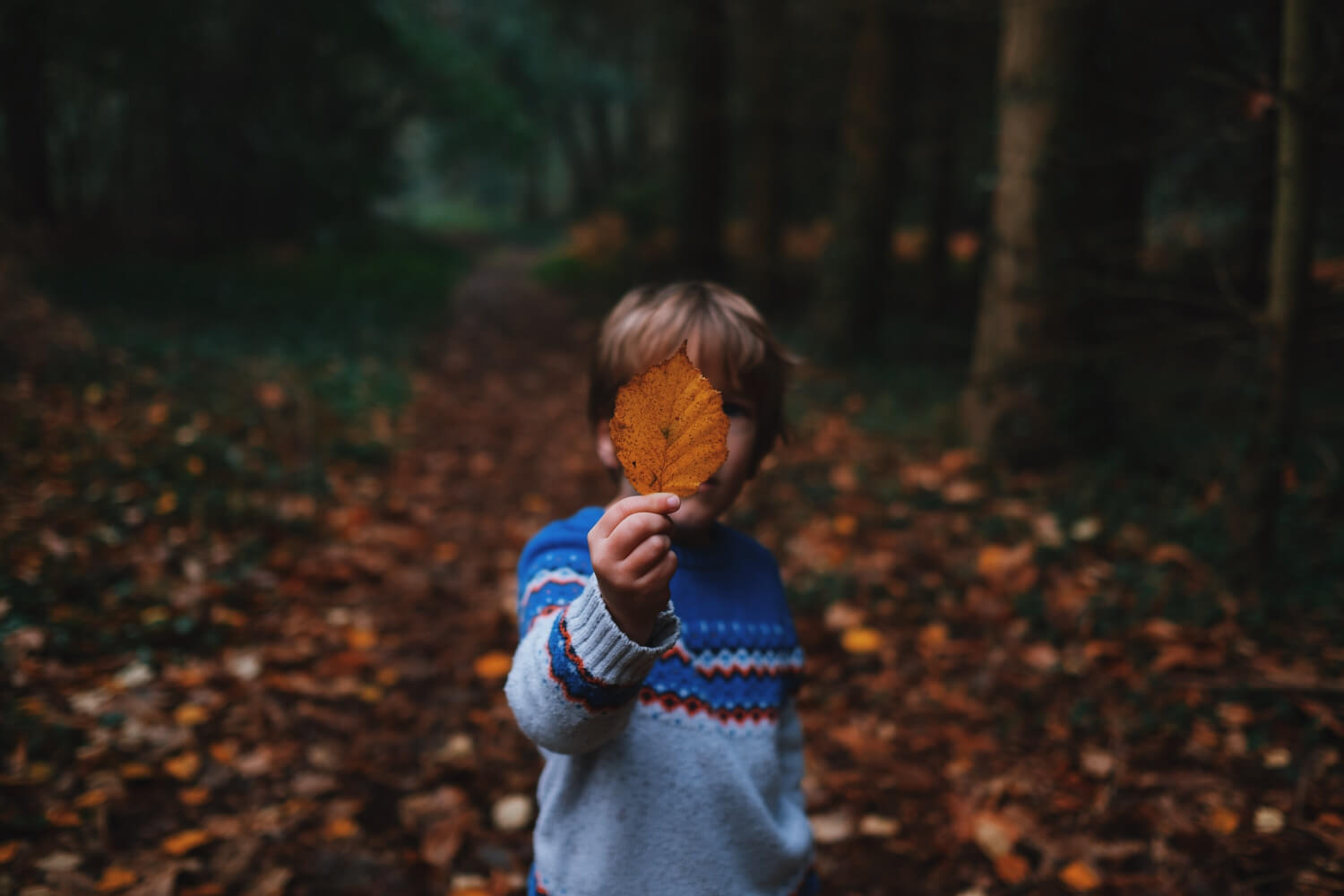
It can help to demonstrate it together. Sit by a window and listen for three different sounds, or look closely at a leaf and describe its colours and patterns. These small activities make an unfamiliar idea feel much more accessible.
As the NHS explains in its guide to mindfulness, the practice includes noticing both our surroundings and our thoughts and feelings. The aim isn’t to empty your mind or feel happy all the time. When your attention wanders, you simply notice and gently bring it back.
Use Their Senses to Explore Everyday Moments
The senses are a useful starting point because they give your child something specific to focus on. Choose one or two gentle prompts, rather than turning every activity into a series of questions.
You could try:
- At mealtimes: Notice the smell of the food, its temperature or the texture of a mouthful.
- On the school run: Listen for nearby sounds and others further away.
- In the garden: Look closely at the shape of a petal or watch an insect moving.
- At bedtime: Notice how the blanket feels or listen to the sounds in the room.
Let your child choose what interests them. They might be fascinated by something you would usually walk straight past, which can make this a lovely opportunity for you to slow down too.
Take a Mindful Walk Together
A walk through the park or around your neighbourhood offers plenty to notice. For a few minutes, put your phones away and pay attention to your surroundings together.
Can you hear leaves crunching beneath your feet? Is there a breeze on your face? What colours can you spot in the trees?
Younger children might enjoy looking for three things of the same colour, while older children may prefer a quiet stretch of walking without any questions. There’s no need to keep the activity going for the whole outing. A brief moment of shared attention is enough.
Try a Few Comfortable Breaths
If your child is interested, invite them to sit comfortably and notice a few breaths moving in and out. Keep their breathing gentle and natural, without asking them to take huge breaths or hold their breath.
You could suggest resting a hand on their tummy to feel it move. They can keep their eyes open and stop whenever they like.
Some children won’t enjoy focusing on their breathing. Listening to sounds, stretching gently or noticing their feet on the ground may feel more comfortable. Offer a choice and follow their lead.
Make Space for Thoughts and Feelings
Mindfulness can also be a way to start conversations about emotions. During a quiet moment, you might ask: “How are you feeling today?” or “What do you notice in your body when you’re excited?”
If your child mentions a tight tummy before a test or feeling hot when they’re angry, help them describe it without suggesting that the feeling is wrong.
Try acknowledging their experience first: “It sounds like you’re worried about tomorrow. Do you want to tell me more?”
Then ask what might help. They may want to talk, have a cuddle, take a break or get some practical help preparing. Bringing attention back to the present can sit alongside dealing with the problem itself.
Practise When Things Are Calm
Introduce these activities when your child feels reasonably settled, rather than saving them for moments when they are already upset.
Keep your expectations small. You could spend a minute listening to sounds after school or notice the first few bites of a snack together. If your child becomes distracted, that doesn’t mean they’ve done anything wrong. Noticing that their attention has wandered is part of practising.
Avoid making mindfulness another task they have to complete. Some days they will enjoy it, and other days they won’t be interested.
Join In and Follow Their Lead
You don’t need to be an expert to practise alongside your child. Share what you notice, admit when your mind wanders and let them suggest activities too.
Adapt your approach to their age and preferences. A younger child may enjoy watching bubbles float and pop, while a teenager might prefer listening closely to music or taking a quiet walk.
Mindfulness suits some people more than others. If an activity makes your child uncomfortable, stop and try something else. If worries are persistent or affecting school, sleep or everyday life, speak to their school or GP for support.
Exploring mindfulness with your child can be as simple as pausing to listen, look or share how you’re feeling. Keep it relaxed, let them move at their own pace and enjoy those small moments of noticing things together. You may find they help you slow down a little too.