How Key Cutting Works and Which Types of Keys Can Be Cut
We’ve all needed a spare key at some point, whether it’s for a new family member, a trusted neighbour, or simply as a backup after that heart-stopping moment when you thought you’d lost your only set. Key cutting might seem like a mysterious craft, but it’s actually a fascinating blend of traditional craftsmanship and modern technology. Understanding how the process works and which keys can be duplicated will help you navigate those inevitable situations when you need copies made quickly and accurately.
The key cutting industry has evolved dramatically over recent decades, moving from purely manual techniques to sophisticated computerised systems that can replicate even complex modern keys. However, not all keys are created equal, and some present more challenges than others when it comes to duplication. Let’s dive in and explore the methods professionals use and what you need to know about getting your keys copied.
The Traditional, Manual UK Key Cutting Method
Manual key-cutting machines have been the backbone of the industry for generations, and they’re still widely used today for standard keys. The process involves securing your original key in a vice on one side of the machine, with a blank key positioned identically on the other side.
A trained technician will guide both keys along a cutting wheel, tracing the pattern of grooves and notches from your original onto the blank. It’s a skill that requires steady hands and a good eye for detail. The cutting wheel precisely removes metal from the blank to match your original key’s unique pattern.
Once cut, the new key is deburred to remove any rough edges and tested to ensure it operates smoothly. Experienced professionals using UK key cutting services can complete this process in just a few minutes, delivering you a perfectly functioning duplicate.
Modern Computerised Key Cutting
Digital key cutting machines represent the latest evolution in the industry. These sophisticated systems scan your original key, creating a digital profile of its cuts and grooves. The computer then guides the cutting mechanism with exceptional precision, often achieving tolerances that exceed manual methods.
This technology is particularly valuable for complex keys or when the original is worn. The computer can sometimes identify the intended cut depths even when the original key shows signs of age and use. Some systems even include databases of key patterns, allowing duplication from just a key code without needing the physical original.
Laser key cutting takes computerisation a step further. Modern car keys with intricate internal patterns require laser precision to replicate the complex cuts that traditional machines can’t achieve. The laser beam cuts with microscopic accuracy, creating keys that work flawlessly in high-security locks.
What Types of Keys Can Be Cut?
Standard Door and Padlock Keys
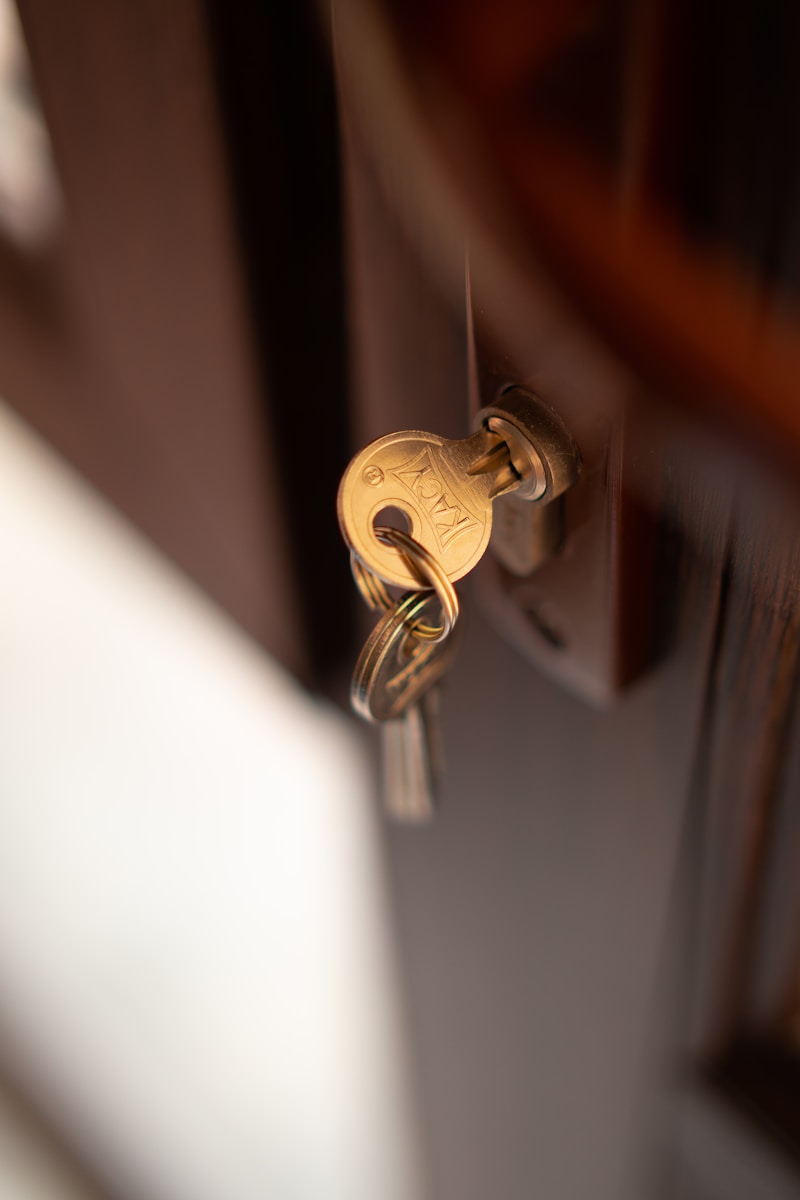
The most common keys you’ll encounter are standard cylinder keys used for home doors, padlocks, and basic security applications. These traditional keys feature straightforward cuts along one or both edges and are the easiest to duplicate. Most high street key cutters can copy these whilst you wait.
Yale-type keys and mortice keys fall into this category as well. They’re designed to be duplicated, and getting spares made is typically quick and inexpensive. You should always keep spare copies of these keys in a safe place or with trusted individuals.
Security considerations are minimal with standard keys, though it’s wise to ensure you’re using a reputable service. Poor-quality cuts can result in keys that damage your locks or fail to operate smoothly.
Vehicle Keys and Transponders
Car keys have become considerably more complex over the past two decades. Modern vehicle keys contain electronic transponder chips that communicate with your car’s immobiliser system. Cutting the physical key blade is only half the battle; the transponder must also be programmed to your specific vehicle.
Specialist key cutters can duplicate the metal portion and programme the chip, though this process is more involved and costly than standard key cutting. You’ll typically need to provide proof of ownership, and the process might take longer than a simple door key duplication.
Some luxury vehicles use proximity keys or key cards that don’t require physical insertion. These sophisticated systems require specialist equipment and programming, and you’ll often need to visit an authorised dealer or specialist automotive locksmith.
High-Security and Restricted Keys
Certain keys feature patented designs that include additional security measures like side pins, magnetic elements, or complex internal mechanisms. These restricted keys are designed to prevent unauthorised duplication, and you’ll typically need to present authorisation or documentation to have them copied.
Brands like Mul-T-Lock, Abloy, and various high-security padlock keys fall into this category. The restrictions protect you from unauthorised key duplication but mean you’ll need to plan ahead when you need spares, as not all key cutters can duplicate them.
Some keys are registered to specific cardholders, and copies can only be made with the original registration card. This security measure prevents former tenants, employees, or other unauthorised individuals from obtaining duplicates.
Keys That Cannot Be Duplicated
Certain keys carry ‘Do Not Duplicate’ markings, though this is often more of a request than a legal restriction. However, professional key cutters will typically respect these markings and decline to copy them without proper authorisation.
Some modern electronic keys and access cards use encryption or rolling codes that make physical duplication impossible without access to the system’s programming interface. You’ll need to contact the system administrator or property manager to obtain additional copies.
Key cutting combines traditional craftsmanship with cutting-edge technology to provide an essential service we often take for granted. Whether you need a simple spare for your front door or a complex duplicate car key, understanding the process helps you choose the right service and set realistic expectations.
Most standard keys can be duplicated quickly and affordably, whilst more complex keys require specialist services and additional time. Keeping spare keys in safe locations provides peace of mind and prevents those stressful lockout situations we’d all rather avoid.
This is a collaborative post.