The Equipment Every New Hiker Needs
Hiking is an extremely popular activity enjoyed by people of all ages across the world, and there’s no denying that the UK, in particular, has some amazing places for hikers to enjoy.
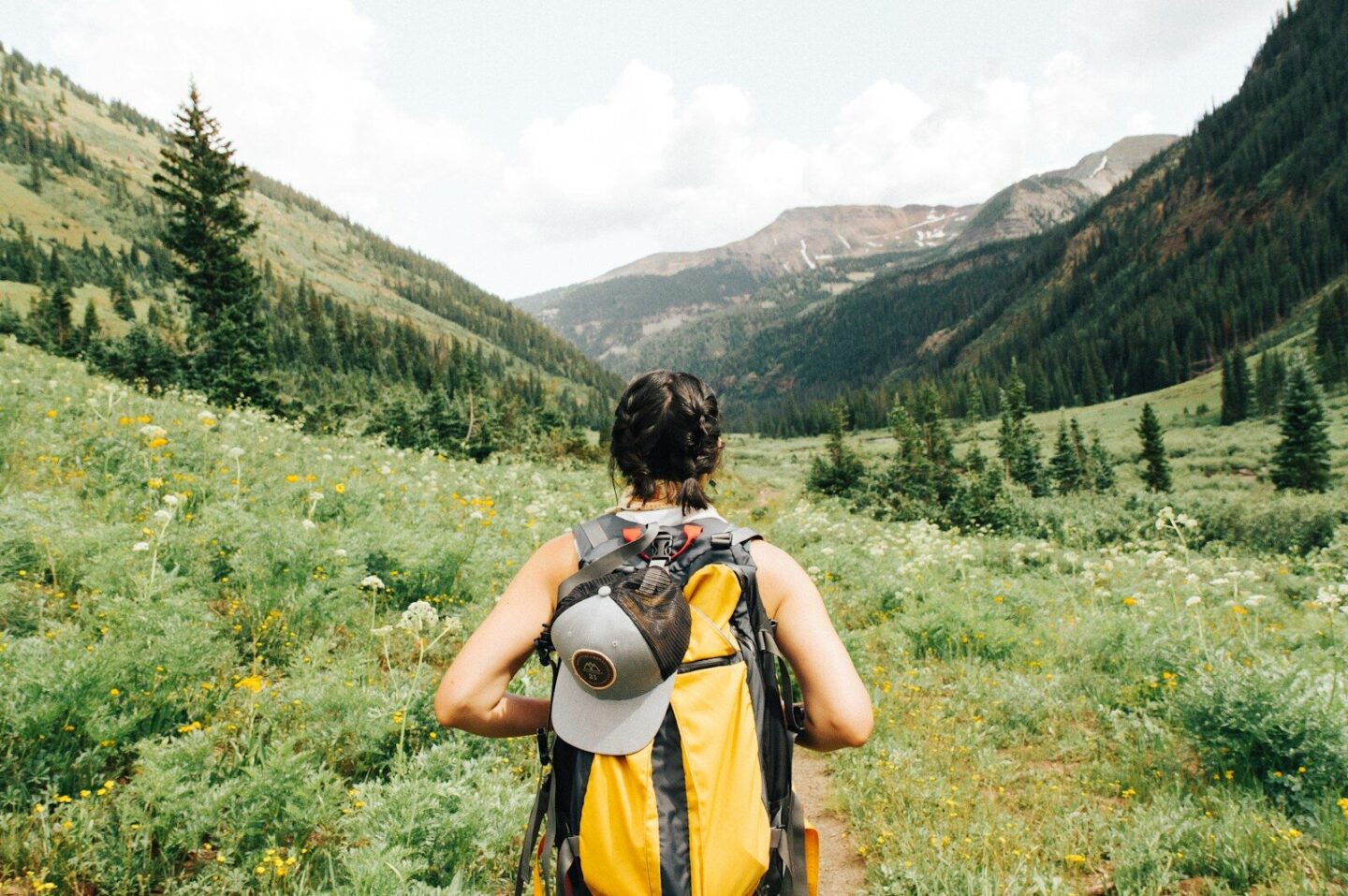
However, if you’re new to hiking or wondering what you need to make it part of your lifestyle, the right equipment before you head out can make all the difference to how enjoyable your hikes are and how comfortable you feel.
Your hiking kit doesn’t need to be expensive or complicated, but it does need to fit properly and suit the kind of walking you’ll be doing, whether that’s a gentle countryside stroll or something more demanding.
Here’s what to have ready before you set off.
Walking Boots
Trainers might be good enough for a loop around flat ground, but if you’re hiking on uneven ground, wet grass or a rocky path, they’ll be wholly unsuitable. You need proper walking boots with a gripper sole, ankle support and a barrier against water soaking through within the first 10 minutes.
Walking boots like the Altberg Tabbing boot and similar models are designed to withstand repeated wet and muddy conditions, not a single season or fair-weather walking.
Whatever boots you decide to go for, break them in around the house or on short local walks before wearing them out on a longer route. New boots and long distances don’t mix well, so break them in before heading out to avoid blisters and pain.
Waterproof Jacket
British weather is extremely unpredictable, and a forecast predicting dry weather can be massively wrong; it’s never a guarantee. A proper waterproof jacket with taped seams and a hood that actually stays up in wind will keep you dry and stop a good walk turning into a soggy trudge back to the car.
Breathability in jackets matters as much as waterproofing, as you don’t want a jacket that traps sweat and leaves you damp and uncomfortable. Look for jackets with underarm vents or a fabric designed to let moisture escape while still blocking rain.
A Map and Compass
Phone signals can drop out really fast when you’re moving away from built-up areas. And the last thing you should rely on is your phone battery to stay charged for the duration of your hike if you’re using offline maps you have downloaded.
It’s a good idea to take a map and a compass in case you get lost and need help getting back on the right path. Take some time before you leave to learn contour lines, take a bearing and match features on the map to what’s in front of you. If something goes wrong, this can be a valuable skill to have.
First Aid Kit
Even a short walk can end up with an injury. Be it a scraped knee, a twisted ankle or something more serious, there’s a risk every time you go out on a hike. A small first aid kit can be genuinely helpful if you have an accident or you come across someone else who has suffered an injury during their hike.
All you need in a first aid kit are plasters, antiseptic wipes, blister plasters, a bandage, and a small pair of scissors. You can include paracetamol if you wish for pain, but being able to treat minor injuries will go a long way if you hurt yourself during your hike.
Water Bottle or Hydration Pack
Dehydration can cause all kinds of problems when you’re active, so the last thing you should do is head out without any form of hydration. A decent water bottle is usually enough for most people to last the day.
A good rule of thumb to aim for is at least a litre per person for every couple of hours, more if it’s warm or the terrain is steep.
On top of this, if you know you’re going to be out for a while, a hydration pack can be a worthwhile choice, or you can pack a filtration kit if you’re going to be out multiple days without coming back to an accommodation and are sleeping outdoors on a longer adventure so you can drink water from lakes or rivers, etc.
Protection From the Elements
Sunburn, windchill and cold hands can all turn a good walk into a miserable one, and honestly, a lot of these you can prevent. Dress for the weather and wear sunscreen if you’re hiking in the sun, even on a day with little cloud cover, regardless of temperature. Have a hat that covers your ears to protect in cold conditions, and wear gloves too if required.
Layering here matters too. A base layer, a mid layer for warmth and a waterproof shell on top means you can add or remove layers as the weather or your body temperature changes, rather than being stuck either too hot or too cold for the whole walk.
Torch
If you’re hiking in autumn and winter, you’ll experience shorter days, so a torch can be a valuable accessory. You can choose a battery-powered torch to carry, or a head torch if you prefer or are tackling a more challenging route. It can help you to avoid taking a wrong turn if you lose daylight or you misjudge the distance.
Rucksack
Everything above needs somewhere to go, and a rucksack that can easily accommodate the equipment you need to carry on longer hikes is the answer. You need a bag big enough so that it’s not uncomfortable to carry or awkward.
Look for a rucksack with a hip belt to take weight off your shoulders, plus compartments so you can keep things to hand without emptying the whole bag every time you need something. Try different rucksacks for size before buying so you can feel how they fit and make sure they’ll hold everything you plan to take on longer hikes.
This is a collaborative post.