How Interior Trends are Influencing Flooring Choices in 2026
Flooring choices in 2026 reflect broader shifts in how people want their homes to feel and function. The spaces people live in now serve multiple purposes, from remote work areas to wellness retreats, and the floors beneath their feet play a larger role in these environments than ever before. Homeowners seek surfaces that support their daily lives whilst also expressing their personal style.
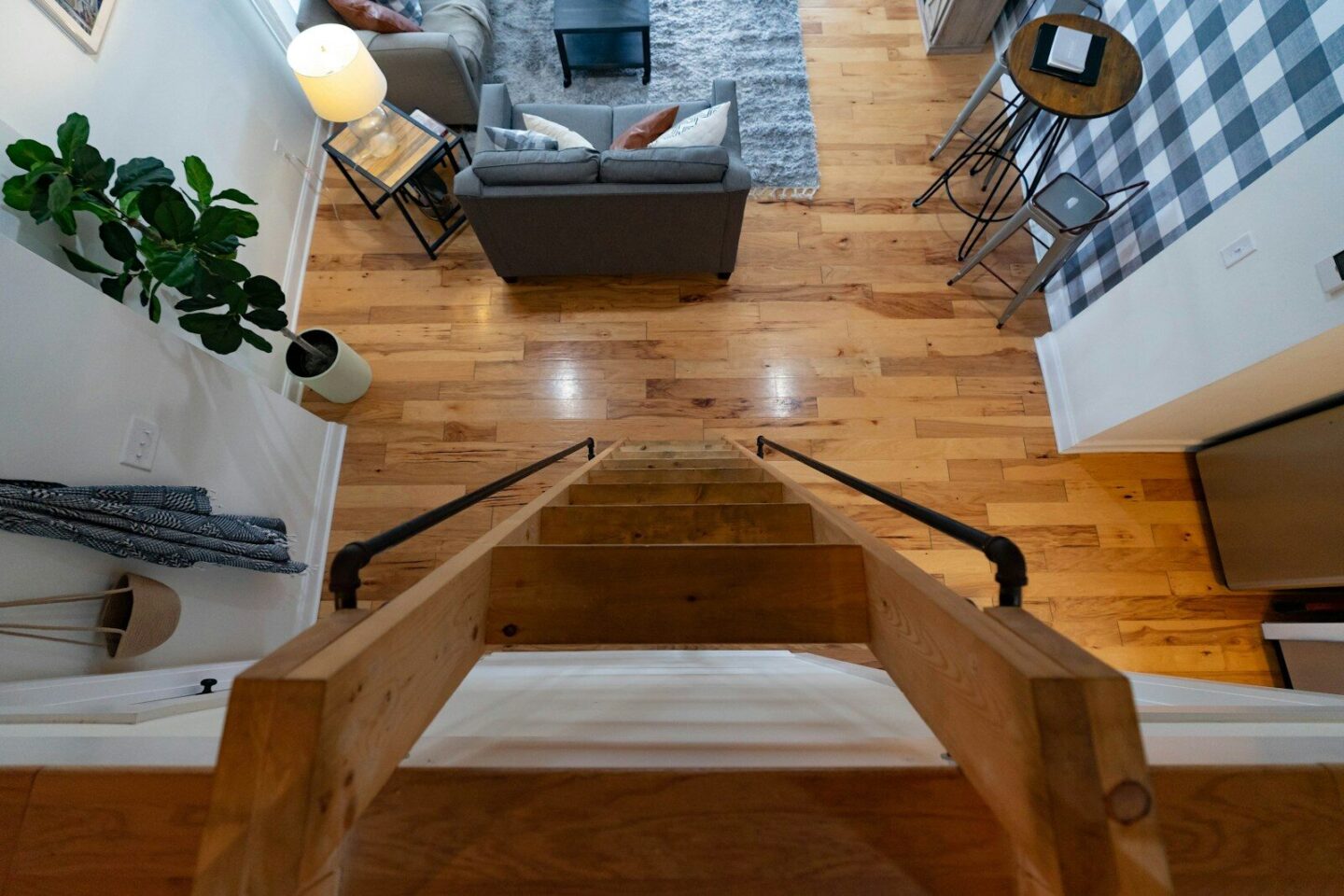
Interior design trends in 2026 prioritise warmth, natural materials, and improved wellbeing, which directly influences the types of floors people choose for their homes. Soft, earthy tones have replaced cool greys and stark whites. Natural textures and sustainable materials now take centre stage. These preferences stem from a desire to create spaces that feel comfortable and connected to the natural world.
The relationship between interior trends and floor selection has never been stronger. Modern life demands surfaces that reduce noise, improve air quality, and withstand the wear of busy households. However, functionality alone does not drive these decisions. People also want floors that add character and visual interest to their rooms through colour, pattern, and texture.
Emerging Interior Design Trends Shaping Flooring Choices
Interior designers are prioritising natural materials, streamlined aesthetics, and expressive finishes in 2026. These preferences translate directly to flooring selections that reflect sustainability values, simplified design approaches, and creative visual statements.
Bold Colours and Patterned Finishes
Some homeowners embrace expressive flooring as a design statement rather than a neutral backdrop. Parquet flooring patterns for 2026, such as geometric layouts, offer herringbone, chevron, and basket weave arrangements that add visual interest through repetition and structure.
Darker stains and rich tones have returned after years of pale wood dominance. Deep walnut, espresso, and charcoal finishes create dramatic contrast against light walls and furnishings. These colours anchor spaces and provide warmth in open-plan layouts.
Spanish tiles bring cultural richness and bold colour to kitchens and entryways. Their decorative patterns inject personality and serve as focal points in otherwise simple rooms. Encaustic cement tiles offer a similar visual impact with intricate designs that tell stories through motifs and colour combinations.
Colour drenching extends to floors, where homeowners match or coordinate flooring with wall tones for immersive environments. This technique works particularly well with painted wood floors or coloured vinyl options. The approach creates cohesive spaces that feel intentional and curated rather than haphazard.
Sustainable Materials and Eco-Friendly Options
Environmental responsibility drives many flooring decisions this year. Bamboo has become a popular choice because it grows quickly and regenerates without replanting. Reclaimed wood offers another sustainable path, giving old timber new life whilst reducing demand for fresh lumber.
Luxury vinyl tiles now feature recycled content and improved manufacturing processes that lower environmental impact. Cork represents a renewable option that provides natural insulation and comfort underfoot. These materials appeal to homeowners who want to reduce their carbon footprint without compromising on style or durability.
Transparent finishes have gained favour because they highlight the natural grain and texture of wood. Designers prefer lighter stains that showcase rather than conceal the raw beauty of timber. This approach celebrates imperfections as unique character marks instead of flaws to hide.
Engineered wood products maximise resource efficiency by using thin layers of premium timber over sustainable core materials. This construction method delivers an authentic hardwood appearance whilst conserving forests and reducing waste.
Minimalism and Clean Lines
Simplified interiors have led to flooring choices that emphasise uniformity and subtle elegance. Wide planks create fewer seams and a more expansive feel in rooms. This format suits contemporary spaces where visual calm takes precedence over busy patterns.
Neutral tones dominate minimalist schemes. Warm earth colours like soft beige, grey, and natural oak provide grounding elements that complement sparse furnishings. These shades work across different lighting conditions and pair well with various décor styles.
Seamless flooring solutions have grown in popularity because they eliminate visual breaks between rooms. Consistent materials throughout a home create flow and make spaces appear larger. Matte finishes support this aesthetic by reducing glare and creating understated sophistication.
The focus on simplicity doesn’t mean boring choices. Instead, homeowners select quality materials with interesting but subtle characteristics. Fine-grain variations and gentle colour shifts add depth without overwhelming the senses.
Technology and Lifestyle Influences on Floor Design
Modern homes serve multiple purposes, from remote work to family activities, which require floors that adapt to these demands. At the same time, technology has introduced new flooring options that respond to digital needs and smart home systems.
Smart Flooring Solutions
Technology has transformed flooring from a passive surface into an active part of the home. Smart floors now include features such as built-in heating systems that homeowners can control through their phones. These systems adjust temperature based on daily routines and weather conditions.
Some modern floors incorporate sensors that track foot traffic patterns. This data helps people understand how they use their spaces. For example, these sensors can detect falls in homes with elderly residents and send alerts to family members.
Digital integration extends to maintenance as well. Certain floors connect to apps that remind homeowners about cleaning schedules or alert them to potential damage. These features make floor care simpler and help extend the life of the material. However, not all smart features suit every household. Buyers should consider which functions truly benefit their daily lives rather than adopt technology for its own sake.
Adaptations for Flexible Living Spaces
Homes now function as offices, gyms, and entertainment spaces all at once. This shift requires floors that handle different activities without damage or excessive wear. Durability has become just as important as appearance.
People choose materials that withstand heavy furniture moves, exercise equipment, and high foot traffic. Matt finishes on wood floors resist scratches better than glossy surfaces. Wider planks create fewer seams, which makes cleaning easier in multi-use areas.
Sound absorption matters more as rooms serve multiple functions. Floors with underlayment reduce noise between levels, which helps separate work calls from family activities. Materials like luxury vinyl and engineered wood offer both quiet performance and resilience. These choices support the practical demands of modern life whilst still maintaining visual appeal.
Conclusion
Flooring choices in 2026 reflect a clear shift towards natural materials, sustainable options, and warm colour palettes. These trends respond directly to broader interior design movements that prioritise environmental responsibility and authentic aesthetics. Homeowners now consider their floors as a central design element rather than just a background surface. The rise of eco-friendly materials and natural wood tones demonstrates how interior design values translate directly into practical flooring decisions.
This is a collaborative post.