Cosy Home, Lower Bills: Smart Ways to Heat Your Space
A warm and cosy home is one of life’s simple pleasures, especially when the weather turns chilly. But the dread of a high energy bill can quickly take the joy out of cranking up the heat.
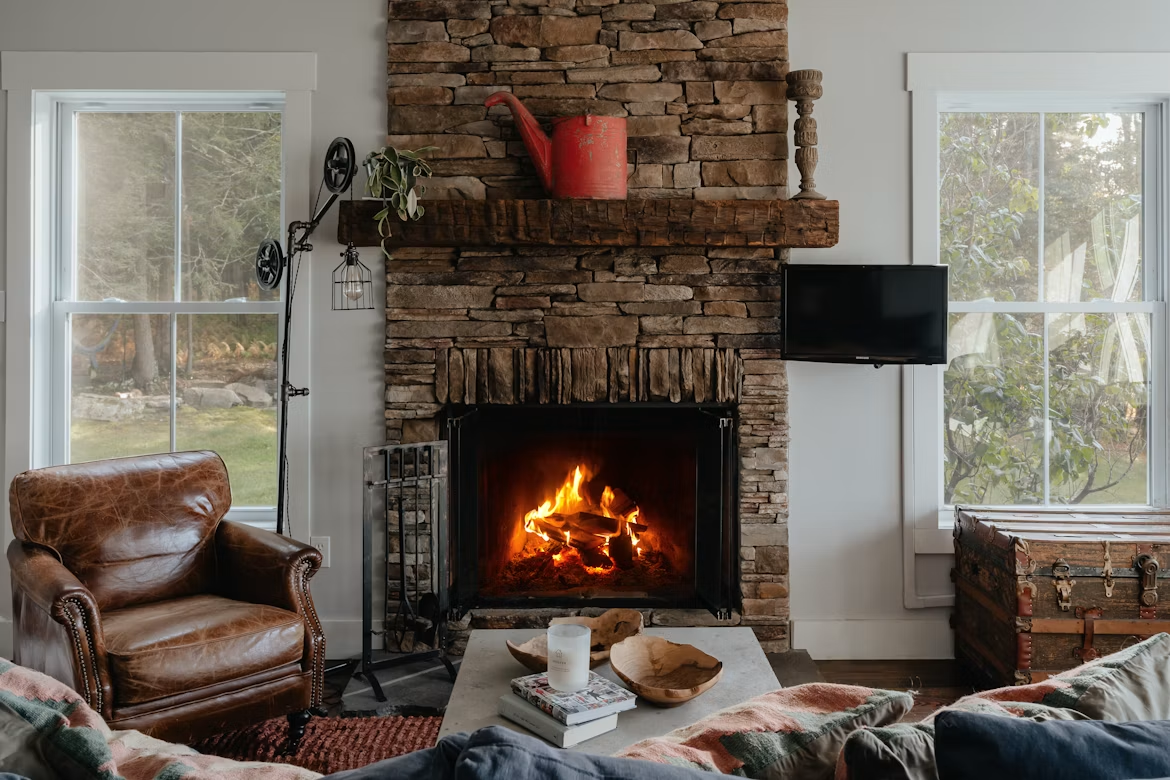
The good news is you don’t have to choose between comfort and cost. With a few smart adjustments and a better understanding of how your home uses heat, you can keep your space toasty while keeping your bills in check.
Understanding Your Home’s Heat Loss
Before you can effectively heat your home, it helps to know where all that precious warmth is sneaking out. Heat loss often happens in predictable places.
Think of your home as a cosy bubble; any crack or poorly insulated area is a potential leak. Windows and doors are major culprits, especially if they’re old or have worn-out seals. You can often feel a draft just by running your hand along the frames.
Your attic and roof are another big source of heat loss. Since heat rises, an under-insulated attic lets warmth escape right out the top of your house. Walls, especially those without proper insulation, and even floors over unheated spaces like a garage or crawlspace can also contribute to a colder home and higher heating costs. A quick walk-through on a cold day can help you spot the chilliest spots that need some love.
Smart Thermostat Strategies
Your thermostat is the command centre for your home’s heating system, and using it wisely can lead to significant savings.
If you still have an old manual thermostat, upgrading to a programmable or smart model is a fantastic investment. These devices let you create heating schedules that fit your daily routine. You can set the temperature to be lower while you’re away at work or asleep, and have it warm up just before you get home or wake up.
Smart thermostats go a step further. They learn your habits and can even use geofencing to detect when you’ve left the house, automatically adjusting to an energy-saving temperature. Many also provide detailed energy reports, showing you exactly how much heating you’re using. This data helps you make even smarter adjustments to your schedule for maximum efficiency.
Embracing Supplemental Heating Options
Heating your entire house to a comfortable temperature can be inefficient, especially if your family spends most of its time in just one or two rooms, like the living room or kitchen.
This is where supplemental heating comes in. Instead of running your central furnace on high, you can use a secondary heat source to create a cosy zone where you need it most. This strategy, known as zone heating, can drastically lower your overall energy consumption.
While portable space heaters are a common choice, other options offer more ambience and efficiency. For a truly cosy and cost-effective focal point, a modern log burner can transform a room. These units provide powerful, radiant heat that warms objects and people directly, creating a comfortable atmosphere that central heating often can’t match.
If you’re considering this upgrade, it’s best to work with a service that provides professional wood burner installation to ensure safety and optimal performance.
Maintenance for Peak Performance
An inefficient heating system has to work harder, using more energy to produce the same amount of warmth. Regular maintenance is key to keeping your furnace or boiler running at its best.
One of the simplest and most effective tasks you can do is to regularly check and change your furnace filters. A clogged filter restricts airflow, forcing the system to strain and driving up your energy bill.
Beyond changing filters, scheduling an annual professional tune-up for your HVAC system is a wise move. A technician can clean internal components, check for leaks, and ensure everything is calibrated for peak efficiency. These home energy efficiency tips can prevent costly breakdowns and ensure your system is ready for winter. If you have hot water radiators, bleeding them at the start of the season releases trapped air and allows them to heat up fully.
Small Changes, Big Savings
You don’t need a major renovation to make a noticeable difference in your home’s warmth. Several small, inexpensive adjustments can add up to big savings on your heating bill.
During the day, open your curtains on south-facing windows to let in natural sunlight and warm your home for free. As soon as the sun goes down, close them to trap that heat inside. Heavy, insulated curtains are particularly effective at this.
Look for and seal any air leaks around windows, doors, and electrical outlets with weatherstripping or caulk. A simple draft stopper at the base of your doors can also work wonders. If you have hardwood or tile floors, laying down area rugs adds a layer of insulation and makes the floor feel warmer underfoot. These simple tricks help to keep the house warm without ever touching the thermostat.
Combining a few of these strategies helps you create a warm, inviting home that doesn’t break the bank. It’s all about working smarter, not harder, to stay comfortable all winter long.
This is a collaborative post.