5 Essential Tips for Crate Training Your Dog
Proper training is an important part of your dog’s development, paving the way for a lifetime of safety, comfort, and good behaviour. Whether you are dealing with a puppy or an adult dog, crate training can help create a secure space for them to call their own. Tips for crate training your dog include having a dedicated look at choosing the right crate for your pup.
Start Slowly and Positively
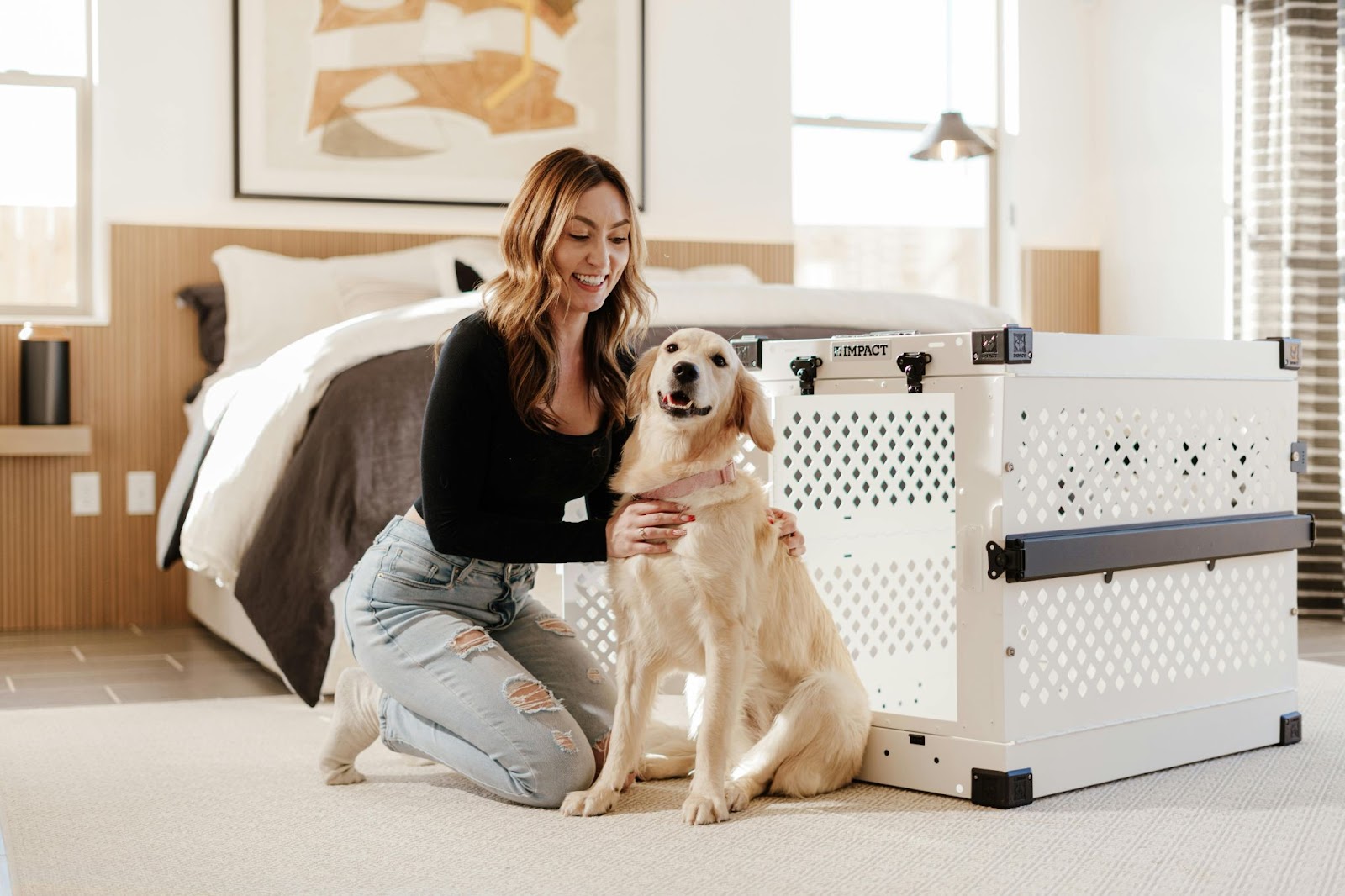
The key to being successful with crate training is to start by slowly introducing your dog to the crate. Begin by placing it in a common area of your home where your pet feels comfortable. Encourage your dog to explore the crate by placing a favourite blanket, toys, and treats inside. Avoid forcing your dog into the crate; instead, allow them to explore it at their own pace. Using positive reinforcement, such as a small treat or praise when they enter the crate, helps them associate it with positive experiences.
Establish a Routine
Dogs thrive on having a routine in place, so it’s important to set specific times for crate use, whether it is for nighttime naps or when you’re away from home. Consistency is crucial. Gradually increase the amount of time that your dog spends in the crate; short, frequent sessions are ideal at first. However, as you slowly build up to longer periods, it can be beneficial for your dog. By establishing a routine, your dog will come to see their crate as a safe and predictable space to retreat to.
Choosing the Right Crate for Your Dog
One of the most important aspects of crate training is selecting a crate that is ideal for your dog’s size and needs. The crate should be spacious enough for your dog to turn around, stand, and lie down comfortably but not so large that it becomes a space for play. Different materials, such as metal, plastic, or even fabric, offer various benefits in terms of ease of cleaning, durability, and portability. If you need a reliable dog crate, have a look at a Bunty dog crate for a durable and comfortable option. These crates are designed with your pet’s comfort and safety in mind, providing a secure environment that is perfect for both training and everyday use. The right crate can make a significant difference in how your dog responds to crate training.
Keep the Crate a Positive Place
Always ensure that the crate is associated with positive experiences; this means it should be used as a place for resting, not as a place for punishment. If your dog starts to associate the crate with negative feelings, they may become more reluctant to enter it. Incorporating fun activities, such as occasionally feeding your dog inside the crate or giving them special treats when they enter, can help keep this experience positive. This will foster a sense of comfort and trust with the crate.
Be Patient and Consistent
It’s important to ensure that you are patient and consistent when training, as every dog is different, and the process can take varying amounts of time. Some dogs will adapt quickly and pick up new tricks, while others may take several weeks to start feeling at ease. If your dog begins to show any signs of anxiety, slow down the process and just take a couple of steps at a time.
When conducted properly, effective training can greatly assist your dog in feeling secure and managing behaviour. By starting off slowly, establishing a routine, and selecting the right crate, you can ensure that crate training becomes a beneficial and positive experience for both you and your pet.
This is a collaborative post.