How to Effectively Train Your Dog
If you are getting a dog soon, or you already have one, you might already be aware that training is one of the most important parts of being a dog owner. If you are able to train them effectively, that can make a world of difference to how easy and effective it is to have them and care for them, and it’s also part of the fun that a lot of dog owners tend to get out of the experience. So here are some of the things to bear in mind when it comes to learning how to effectively train your dog.
Start Early
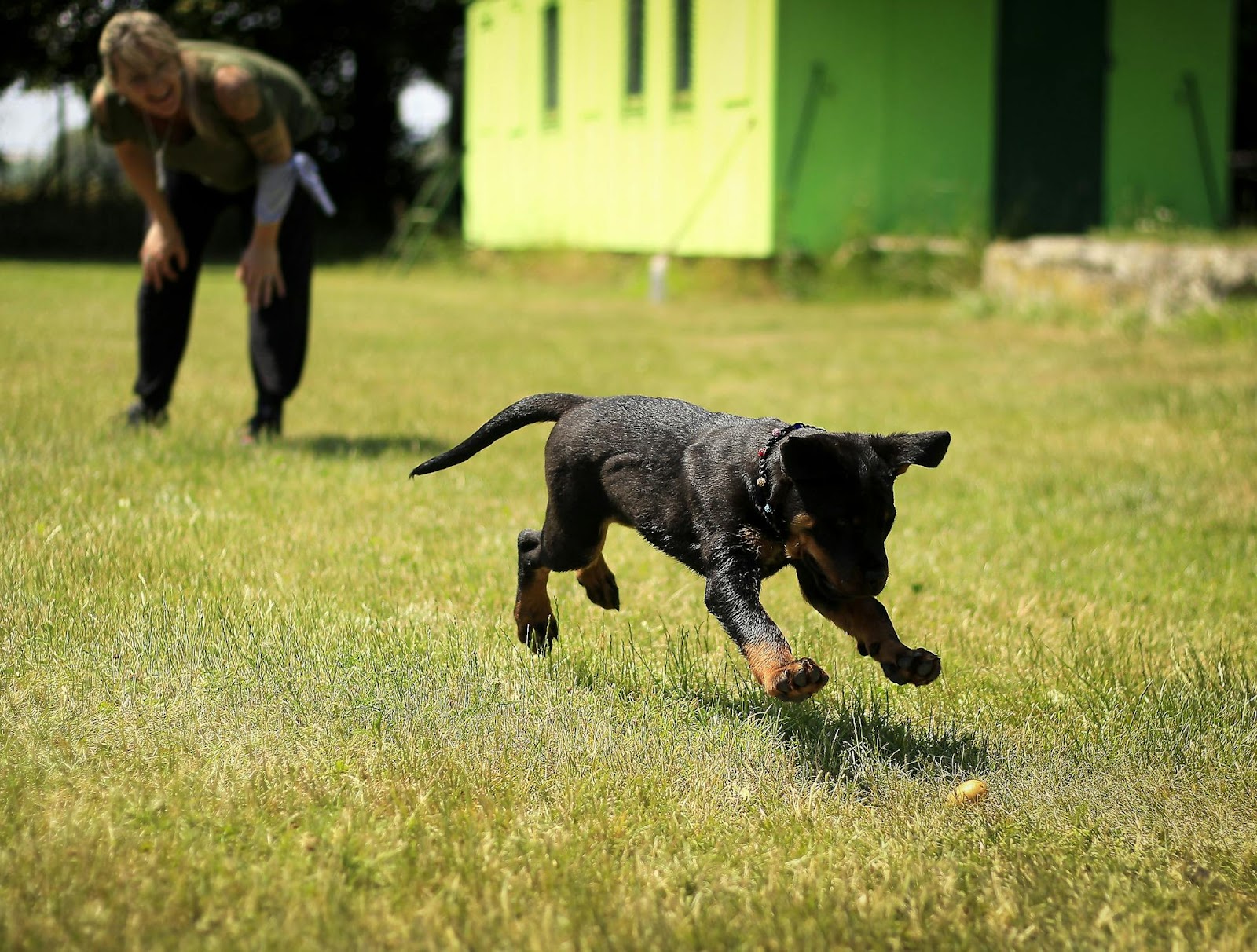
With dog training of all kinds, it’s generally best to start them off as early as possible. The sooner you start training your dog, the better it is going to be in terms of being able to ensure that they are going to actually follow along and learn what you want them to learn. It’s much easier when they are young and still very mentally malleable, and as they say, teaching an old dog new tricks is not easy. So start as early as you can and you should find that makes a huge difference.
Consistency is Key
Consistency is one of the most important aspects of dog training. Your dog will learn best when they receive the same cues and rewards for the same behaviours every time. If you sometimes allow behaviours and other times don’t, it can confuse your dog, making training take longer. Make sure everyone in the household follows the same rules and uses the same commands, so your dog knows what to expect in every situation.
Positive Reinforcement Works Best
Dogs respond extremely well to positive reinforcement techniques, where good behaviour is rewarded with treats, praise, or playtime. This reinforces the idea that good behaviour leads to pleasant outcomes. Avoid punishment-based training methods, which can lead to anxiety or fear in your dog.
Short Training Sessions Are More Effective
Keep training sessions short and sweet—around 10-15 minutes per session. Dogs, especially puppies, have short attention spans, so they may lose interest or become distracted during long sessions. Several short sessions throughout the day tend to be much more effective than one long one.
Use a Professional
It is very often a good idea to use a professional dog trainer, as they are going to help ensure that your dog is going to be much more likely to learn what you want it to learn as soon as possible. With a professional dog trainer, the results are always a lot quicker and more complete. A lot of people worry that the dog will only respond to the trainer, but that’s not how it works, they will also do the same with you. If you visit alldogsunleashed.com you will see how dog training works and how much it costs.
Training Your Dog for Outdoor Boundaries
Establishing clear outdoor boundaries is crucial for your dog’s safety and your peace of mind. An easy wireless outdoor dog fence can be an effective tool in teaching your dog to stay within designated areas without the need for physical barriers. By incorporating this system into your training regimen, you can reinforce boundary awareness through consistent cues and positive reinforcement. This approach not only enhances your dog’s understanding of limits but also allows them to enjoy outdoor spaces safely.
Be Patient
That’s not to say that it can’t take a while – it absolutely can, and depending on the dog it might take a long time to do some basic training. So a little patience can be a really helpful thing here, and you might want to make sure that you are trying to be as patient as you possibly can. You might find that you are much more likely to actually end up with a dog that is well trained if you are being patient, and it’s one of those attributes which can really help in a huge number of ways all in all.
Focus on Socialisation
Incorporating socialisation into your dog’s training is essential, especially when they are young. Exposing your dog to different people, environments, and other animals can help them become well-rounded and confident.
Make Training a Part of Daily Life
Training doesn’t have to be limited to formal sessions. Incorporate commands and exercises into your dog’s daily activities. For example, ask your dog to sit before eating, or practice recall while on walks. This helps reinforce training in a natural, real-world setting.
Enjoy it
Finally, if you can actively enjoy it, you will find that this helps too. Your dog will pick up on the emotion involved, and they will enjoy it more as well, which means that the end results are going to be so much more likely to be good.
By following these tips, you can ensure that your training process is smoother, more enjoyable, and more effective for both you and your dog. Happy training!
This is a collaborative post.