Are Snails Poisonous to Dogs? What You Should Know
As a dog owner, you likely want to ensure the safety and health of your beloved pet. One concern that might cross your mind is whether snails pose any danger to dogs. The answer is not straightforward, as snails themselves are not inherently poisonous to dogs. However, they can carry harmful and dangerous parasites, such as lungworms, which are a type of parasitic worm that can cause serious health issues for unsuspecting dogs.

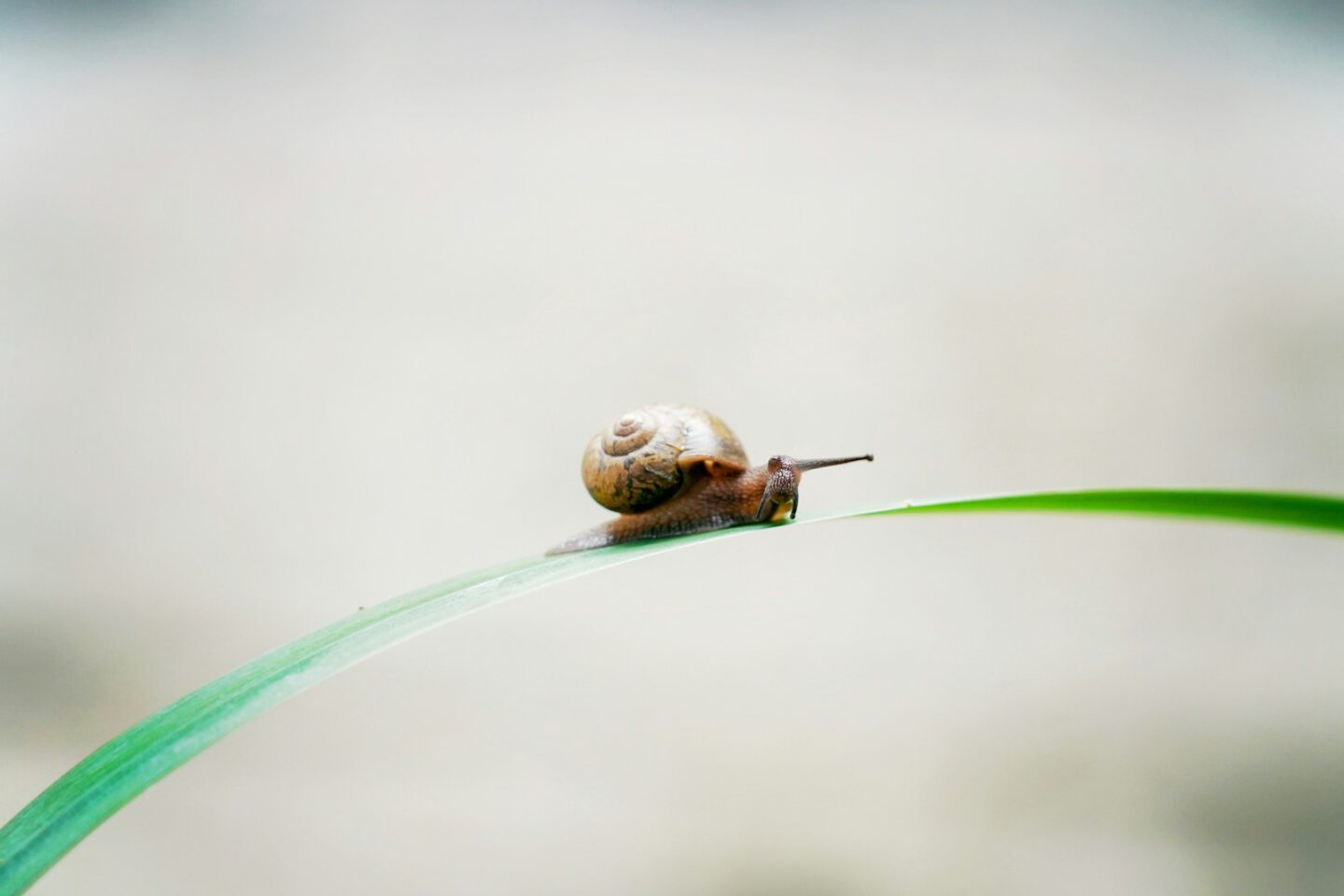
Rat lungworm is a parasite that mainly lives in rodents such as rats, and slugs and snails can get lungworm from coming into contact with infected rat faeces. Dogs can then get infected when they eat an infected snail or slug or lick their slime trails.
Understanding the risks associated with snails, especially in the context of lungworm infections, is essential for keeping your dog safe.
The summer months and the warmer weather they bring, lead to more slugs and snails around our gardens and out in the countryside, so we need to be even more careful at this time of year.
The Risk of Lungworm Infections
One of the primary dangers associated with snails is their role as intermediate hosts for the lungworm parasite, Angiostrongylus vasorum. When a dog consumes an infected snail, it can ingest lungworm larvae, leading to a potentially fatal infection. They can even catch it from licking the slime trail from a slug or snail.
Lungworm infections are particularly concerning for younger dogs and puppies, as their inquisitive nature makes them more likely to come into contact with snails and slug bait.
Clinical Signs of Lungworm Infection
Early detection of lungworm infection is crucial for a full recovery. The most common symptoms of lungworm infection in dogs include:
- Persistent coughing
- Difficulty breathing
- Weight loss
- Lethargy
- Poor appetite
- Vomiting and diarrhoea
- Nosebleeds or other signs of bleeding
In severe cases, lungworm infection can lead to respiratory failure, heart failure, and even death. Quick actions and veterinary treatment are essential if you notice any of these signs in your dog.
Preventing Lungworm Infections
Preventing lungworm infections involves minimising your dog’s exposure to snails and slugs. Here are some practical tips:
Avoid Snail-Rich Areas
Keep your dog away from areas where snails are commonly found, such as flower beds, vegetable gardens, and areas with dense foliage.
Clean Water Bowls Regularly
Snails can contaminate water bowls, so make sure to clean and refresh your dog’s water supply on a regular basis.
Use Natural Predators
Introducing natural predators, like decollate snails, can help control the snail population in your garden.
Diatomaceous Earth
Diatomaceous Earth is a unique type of sand that consists of fossilized algae. There are many uses for it but diatomaceous earth can be used as an insecticide in the garden. Sprinkling Diatomaceous Earth around your garden can deter snails and slugs without harming your pets. Make sure you choose a food-grade version so that it is safe to use around humans and pets.
Beer Traps
Setting up beer traps can effectively reduce the number of garden pests.
Treatment and Veterinary Care
If you suspect your dog has ingested an infected snail, the first thing to do is immediately contact your vet. Lungworm treatment for an infected dog typically involves:
- Prescription Wormer: Medications prescribed by your veterinarian to kill the lungworms.
- Supportive Care: Intravenous fluids, activated charcoal to absorb toxins, and other supportive treatments to stabilise your dog’s condition.
- Blood Tests: Monitoring liver enzymes and other blood markers to assess the extent of the infection.
- Ongoing Monitoring: Regular follow-up visits to ensure the infection is fully cleared and to prevent permanent damage.
Snail Bait Poisoning
Another serious type of poisoning in dogs is snail bait poisoning also known as Metaldehyde Toxicity. Snail baits, often used to control garden pests, contain toxic substances that can be fatal to dogs if ingested. Effects on the dog will depend on how much poison they have consumed, but symptoms of snail bait poisoning include:
- Excessive drooling
- Vomiting
- Diarrhea
- Constant muscle contractions
- Elevated body temperature
- Seizures
In cases of a known history of snail bait exposure, it is critical to rush your dog to a veterinary hospital. Early stages of poisoning from ingesting a toxic substance might be managed with decontamination of the stomach contents, administration of activated charcoal, and supportive care. Severe reactions to snail poisons may require intensive care, including intravenous fluids and medications to control seizures and muscle tremors.
The Role of Good Habits
Maintaining good habits and awareness can significantly reduce the risks associated with snails and snail baits:
Supervise Outdoor Activities
Keep an eye on your dog during walks, especially in urban areas and during wet spring months when snails are more active.
Proper Disposal
Dispose of any snails or slugs you find in your garden safely to prevent your dog from coming into contact with them.
Educate Yourself
Stay informed about the signs of lungworm and snail bait poisoning and the best ways to prevent these issues.
While snails are not inherently poisonous to dogs, the risks associated with lungworm infections and snail bait poisoning make slugs and snails a real threat so it is essential for dog owners to be vigilant, and even more so if you have young dogs who are even more inquisitive.
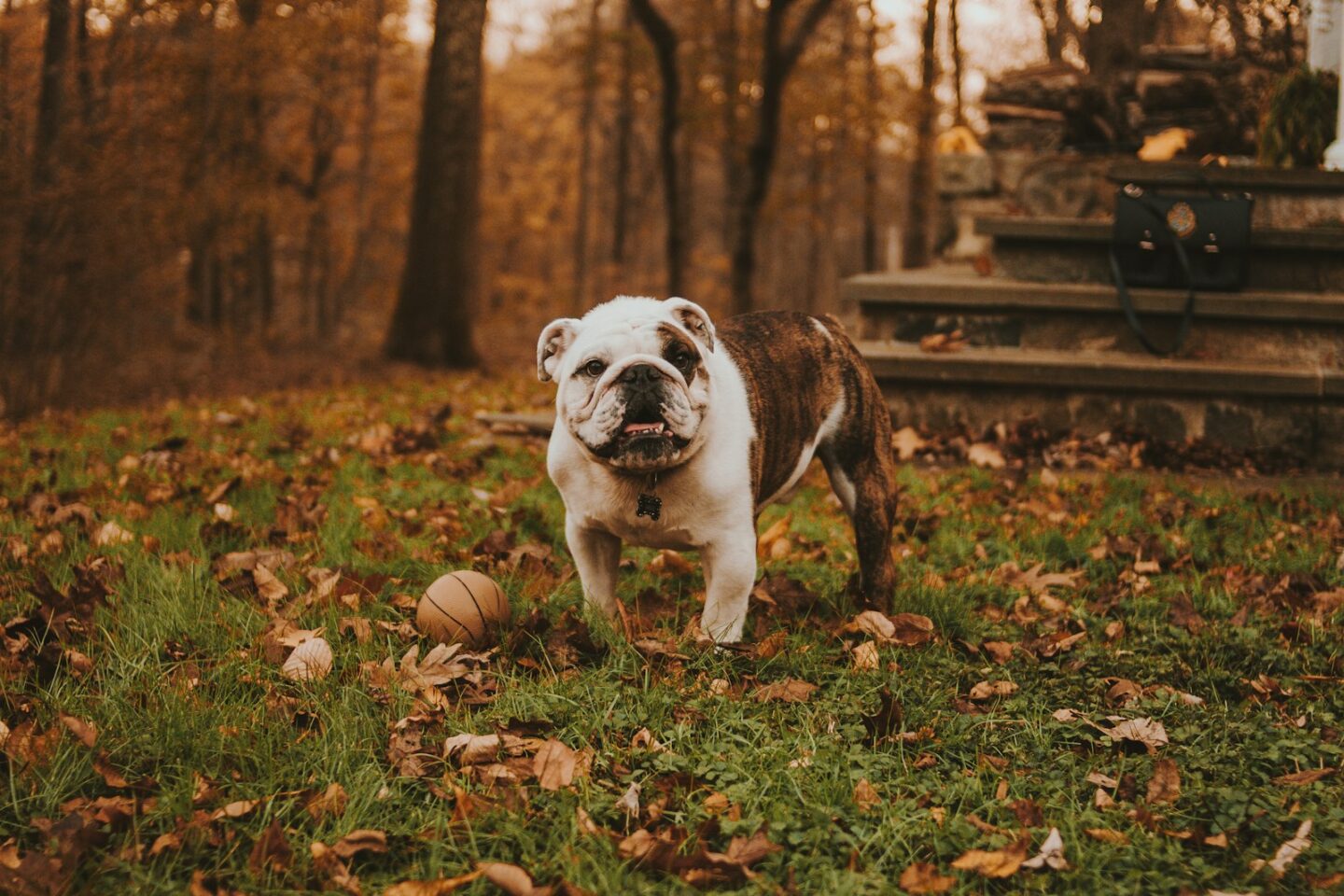
By understanding the potential dangers and taking preventive measures, you can help ensure your dog’s health and safety.
Early detection of lungworm symptoms and immediate veterinary treatment can make the difference between a full recovery and serious, permanent damage. Remember, quick actions and good habits are your best defence against these hidden threats in your dog’s environment.
This post contains affiliate links. This means that I may earn a small commission if you use my links at no extra cost to you. For more information, see my disclosure policy.