How Does Life Change When Your Pet’s Diagnosis is Ongoing?
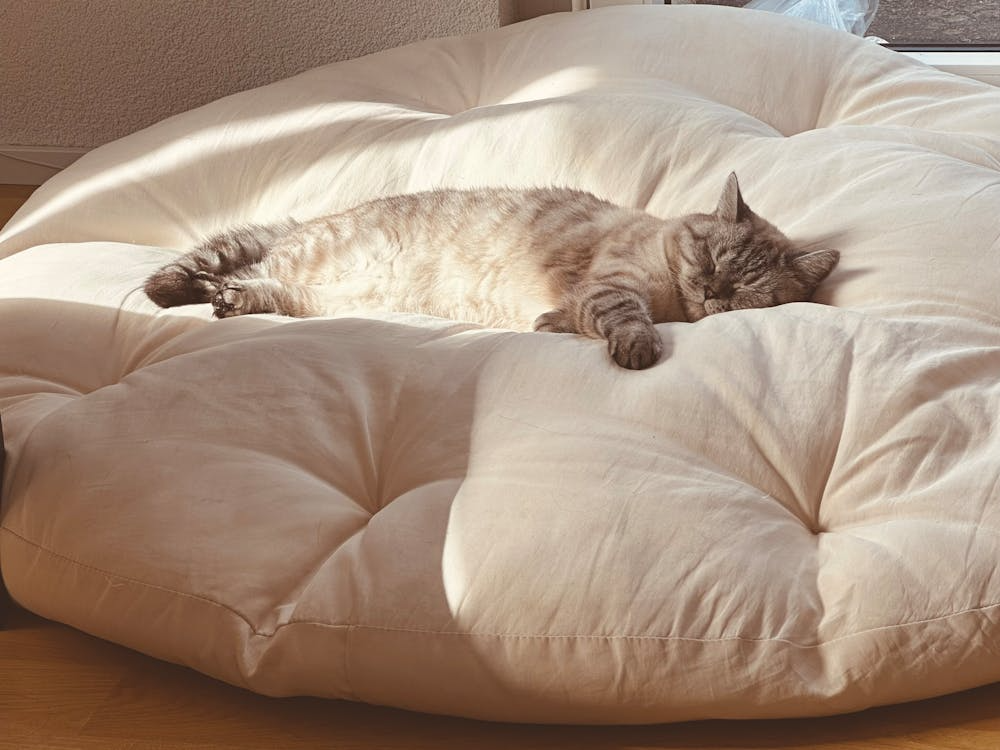
For any pet owner, all you really want is just a nice and peaceful home for your pet. You just want them to have a happy and calm life; their life is only a fraction of yours, and so, however short it is, it deserves to be great. Sometimes, though, a normal vet visit can just change both yours and your pet’s whole life.
But with that said, a long-term condition doesn’t automatically mean everything’s going to fall apart. Sometimes it just means adjusting, learning a new routine, and figuring out how to keep life comfortable for a pet who still wants the same things as always. It can just take some time getting adjusted to, that’s all.
Your Routine Changes
At the beginning, the new routine can feel overwhelming. There may be medication schedules to follow, precise portion sizes to measure, and limits on treats or table scraps that once felt harmless. The structure can seem demanding at first, particularly when you are both still adjusting.
However, consistency quickly turns new habits into second nature. Keeping medication in a visible, familiar place, setting reminders on your phone, or linking doses to established moments in the day – such as after breakfast or before bedtime – can make the process far more manageable. Most pets adapt more quickly than expected, and before long, the revised routine simply becomes part of everyday life for you both.
Financial Planning Becomes a Priority
Pet ownership already comes with regular expenses, but a long-term diagnosis can make the financial side feel much more immediate. Ongoing care often brings consistent, recurring costs rather than one-off emergency bills. Repeat prescriptions, follow-up appointments, monitoring tests, specialist referrals, and even additional dental care can gradually add up.
It’s worth taking a proactive approach by looking into lifetime pet insurance if you do not already have it, as this can make a significant difference over time. Alternatively, setting aside money in a dedicated pet savings fund can help ease the pressure of unexpected appointments or adjustments to treatment. Planning ahead will not remove the costs entirely, but it can provide reassurance and stability when you need it most.
Diet Changes Can Feel Like the Hardest Adjustment
Dietary changes are often a relatively small adjustment, yet they can feel surprisingly frustrating. Asking a pet to change their diet can sometimes be harder than you may think, especially when they’re attached to their favourite foods. Some animals show reluctance, others seem to protest in subtle ways, and a few may simply refuse at first. However, once the new food begins to make a positive difference, it usually becomes easier to accept. Of course, this can vary depending on the pet, particularly if they are the type who will happily eat almost anything.
Patience and gradual transitions can make the process smoother. Mixing old and new food temporarily, sticking to consistent feeding times, and limiting alternative treats can help them adapt. Once the new diet begins to support their health and energy levels, resistance usually fades. Every pet responds differently, but with consistency and understanding, most settle into the change more quickly than expected.
A long-term condition can initially feel overwhelming, but it doesn’t have to define your pet’s quality of life. With a few adjustments – to routines, budgeting, and diet – life can settle into a new normal that still feels full, loving, and peaceful. Pets are often far more resilient than we expect. With patience, planning, and a little flexibility, you can continue giving them the comfort and happiness they deserve, even if the path looks slightly different than before.
This is a collaborative post.