

What to Include in a Family-Friendly Kitchen Extension
Whether you’re expanding to the side or rear, a kitchen extension is a great asset to the family home. It allows you to create a spacious and sociable area for cooking, eating and other activities. The added floorspace saves mealtimes from being cramped around a small table and means there’s no need to carry plates into a separate dining room.
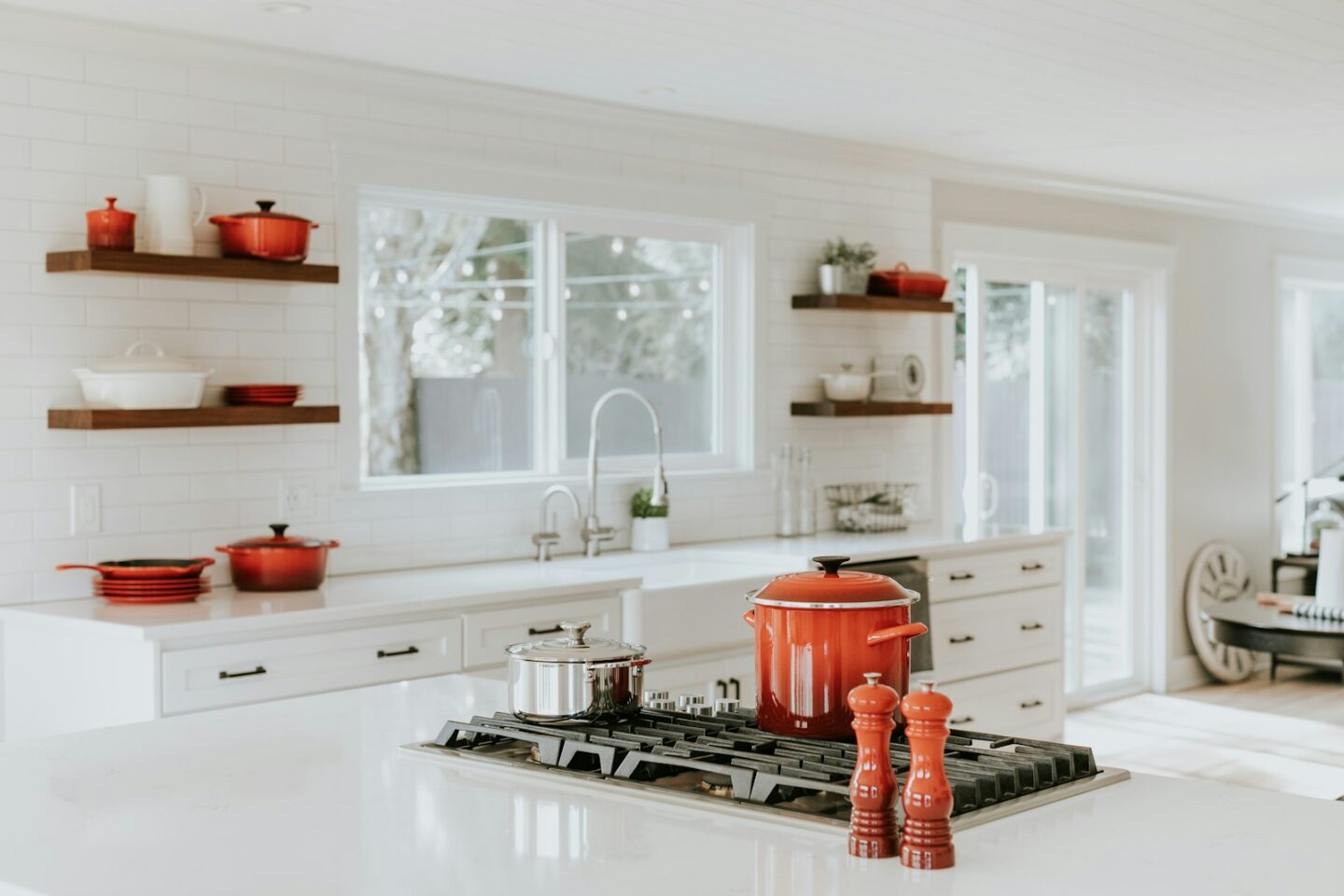
Kitchen extensions give you plenty of design scope, so you can tailor your new space to your current and future needs. However, while some aspects are down to personal preference, some design elements are more essential in terms of making a kitchen comfortable and safe. Here are a few things that all family-friendly kitchen extensions should include.
What to Include in a Family-Friendly Kitchen Extension
Durable and low-maintenance materials
Family life can get pretty busy, and kitchens get a lot of use. So, you want to choose durable, low-maintenance materials.
Non-porous materials are more stain-resistant and make surfaces easier to wipe clean. Plus, they don’t need extra maintenance such as sealing and oiling. So, you might find materials like quartz, porcelain, laminate, and vinyl better than granite, marble and wood. But materials also need to be hard-wearing, so you need to pick high-quality products.
Similarly, you might find a stainless-steel sink better than a ceramic one. Stainless steel is hygienic and easy to clean. Plus, there’s less chance of chipping and staining, and children are less likely to break glasses and plates if they help with the washing up.
As dirt can stick in moulding and grooves, it’s often better to go with plain cabinet doors for quick cleaning. If you want to display crockery and decorative items, you might find a glazed wall cabinet is preferable to open shelves as it minimises dusting.
Child-friendly details
As well as low-maintenance surfaces, it’s important to include child-friendly details. Choosing curved end cabinets and rounded corners on worktops as well as cup or D-shaped handles and round knobs rather than T-bar handles should reduce bumps and scrapes.
Try to keep your extension floor level the same as the rest of the house to avoid unnecessary steps, and think about using underfloor heating and cushioned vinyl, laminate or engineered wood for comfort and safety.
To maximise safety, you might want to fit ovens higher up and have cool-touch surfaces and child locks on appliances.
Ample and accessible dining space
Modern family kitchens aren’t just about cooking, so you need to factor plenty of dining space into your extension plans. If you regularly have grandparents, neighbours and friends over, you need to ensure it’s not a squeeze to fit everyone in.
Comfort is just as important as space. So, why not consider a mix of chairs and banquette seating? Although some breakfast bar or island seating is handy, this might be hard for young children to access. To get around this, think about having a second seating area or a multi-height worktop.
It’s also worth considering how you’ll light your dining spaces. Roof glazing will give you lots of natural light during the day and a starry backdrop at night, making the area more pleasant to be in. The addition of pendant lighting and dimmable bulbs will create a cosy atmosphere for family evenings in. But of course, there’s nothing wrong either with looking into LED tube lights if you’re someone who’s more after a sleek and clean appearance for your new addition (plus it’s timeless and energy efficient).
Don’t skimp on prep and storage space either
A family kitchen needs a lot of prep space and storage; otherwise it will easily become cluttered and messy.
Accessible cupboards will give kids a degree of independence, while cupboards positioned higher up or fitted with locks will improve safety.
A cupboard that acts as a breakfast station is a useful addition if mornings tend to be hectic. This keeps everything in one place and ready to go when you need to get everyone fed quickly.
If you want your children to get involved with cooking and baking, perhaps include an area with lower worktops to save the need for step stools and a child-friendly sink for hand washing.
It’s practical to have a mix of storage types. Deep drawers are handy for keeping everything easy to access. Internal drawers, compartments and racks are ideal for ensuring food, pans and crockery are organised – saving you time and effort. It’s also worth providing some cupboard space for small appliances, so worktops are kept clear and electricals are away from small hands.
Don’t restrict your extension to cooking and dining
Of course, modern kitchens aren’t purely for cooking and dining. Often, the adults are cooking while the kids are playing or doing homework.
So, it’s beneficial to include an area for other family activities. This saves you from needing to clear their stuff away to lay the table and keeps your kids in sight while you whip up meals. It also enables your family to spend more time together.
Remember to add some warmth and personality
Finally, no matter the size and style of your kitchen extension, it’s important to add some warmth and character to make it a comfy and homely family space.
New extensions can feel a bit boxy and plain unless you inject some personality into them. This needn’t be difficult or expensive, as paint, tiling, artwork and textiles are all great tools for doing this. You could also add a sense of fun with a chalkboard wall or whiteboard for notes and doodling. Or personalise bench and drawer storage with names of family members.
This is a collaborative post.



I love your ideas for kitchen extensions that will serve families well. I so want to get mine done soon!