Essential Electrical Checks for a Safe Home
We use electricity for almost everything these days, from brewing our morning coffee to streaming shows at night. But the complex web of wires and circuits that powers our lives is usually hidden away, out of sight and out of mind. Keeping this system in good shape is important for home maintenance, making sure your family stays safe and your home runs smoothly. Just a few simple checks and knowing what warning signs to look for can make a huge difference.
Why Regular Wiring Checks Matter
Your home’s wiring works hard every single day, and just like any other part of your house, it can get worn out. In older homes, the insulation around wires can get brittle and break down over time. Even in newer houses, big renovations or adding powerful new appliances can really strain the existing electrical system.
Checking your electrical system regularly helps you catch these problems before they turn into something serious. Bad wiring is a major cause of house fires, but many of these fires could be totally prevented. Thinking about the basics of home fire safety shows how small preventative steps can have a massive impact. Just taking a quick look at your outlets and cords every few months is a great habit to get into.
Identifying Common Electrical Hazards
You don’t need to be an expert to spot potential trouble. Your home will often drop hints that something’s not quite right with the electricity. Knowing how to recognise these signs is the first step to keeping everyone safe.
Here are a few common electrical hazards to keep an eye out for:
- Lights that flicker or dim: If your lights flicker when you switch on a big appliance like a vacuum or microwave, it might mean a circuit is overloaded.
- Warm or discoloured outlets: An outlet or switch plate that feels warm when you touch it is a definite red flag. If you see any discolouration or scorch marks, you need to check it out right away.
- A constant burning smell: A faint burning smell, sometimes described as fishy or metallic, could mean a wire or part of your system is getting too hot somewhere.
- Circuit breakers that trip all the time: Breakers are supposed to trip to prevent overloads, but if a specific circuit keeps tripping regularly, it needs a closer look.
When to Call a Professional Electrician
While you can definitely spot many warning signs yourself, fixing them is usually a job for a pro. Electrical work isn’t something you should try to DIY, as mistakes can have really dangerous results. If you notice any of the hazards we talked about, or if you hear buzzing sounds from your outlets or electrical panel, it’s time to call for help. An experienced electrician has the right tools and know-how to safely figure out what’s causing the problem and fix it properly, making sure everything is up to code. They can also do a full inspection to find any other issues you might have missed.
The Role of Your Grounding System
You might have heard the term “grounding” but weren’t quite sure what it actually means. Simply put, a grounding system gives extra electricity a safe path to travel into the earth. This stops it from going through you if there’s a fault. It’s an important safety feature that protects you from electric shock. Most modern homes have three-prong outlets, where that third, round pin is the ground connection. If your home has older, two-prong outlets, it probably doesn’t have a proper grounding system. Upgrading these outlets is a smart investment in your family’s safety.
Understanding Electrical Panel Updates
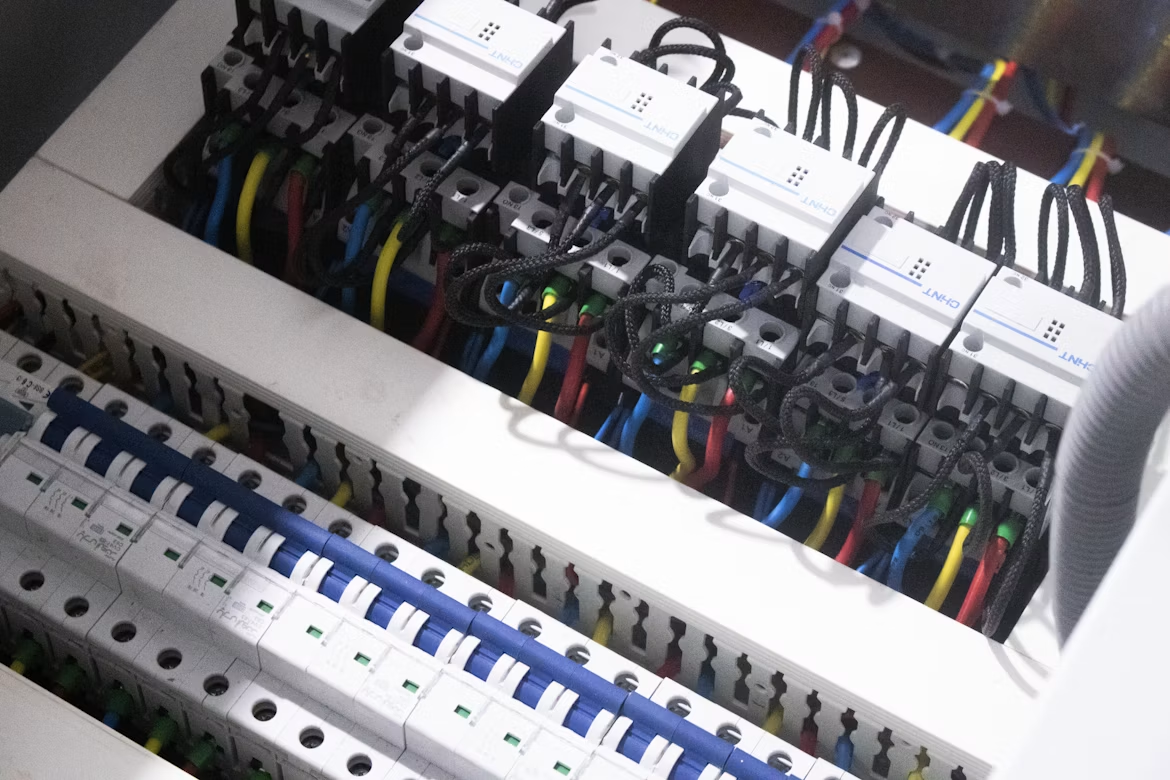
The electrical panel, also known as the breaker box, is like the heart of your home’s electrical system. It takes the main power coming into your house and sends it out to all the different circuits. Older homes often have panels with fuses, or panels that are just too small to handle all the electricity modern life demands.
If your panel is more than 25 years old, or if you’re planning a big renovation or adding large appliances like an electric vehicle charger, you might need an update. A new panel can give you more capacity, make things safer with modern circuit breakers, and even leave room for future additions. It’s a fundamental upgrade that supports every other electrical component in your home.
Being proactive about electrical safety doesn’t have to be complicated. Learning to spot warning signs and knowing when to call for professional help will ensure your home’s electrical system stays a reliable and safe source of power for years to come.
This is a collaborative post.