Are these Everyday Home Habits Raising Your Risk of an Electrical Fire?
Most people don’t picture themselves doing anything wildly reckless at home. The average person tries to be aware of kitchen fire hazards, since most fires occur there. Most people know to be cautious, at least with the basics: cleaning out the dryer lint, not having paper or fabric around the stove, not leaning over the heater, and so on.
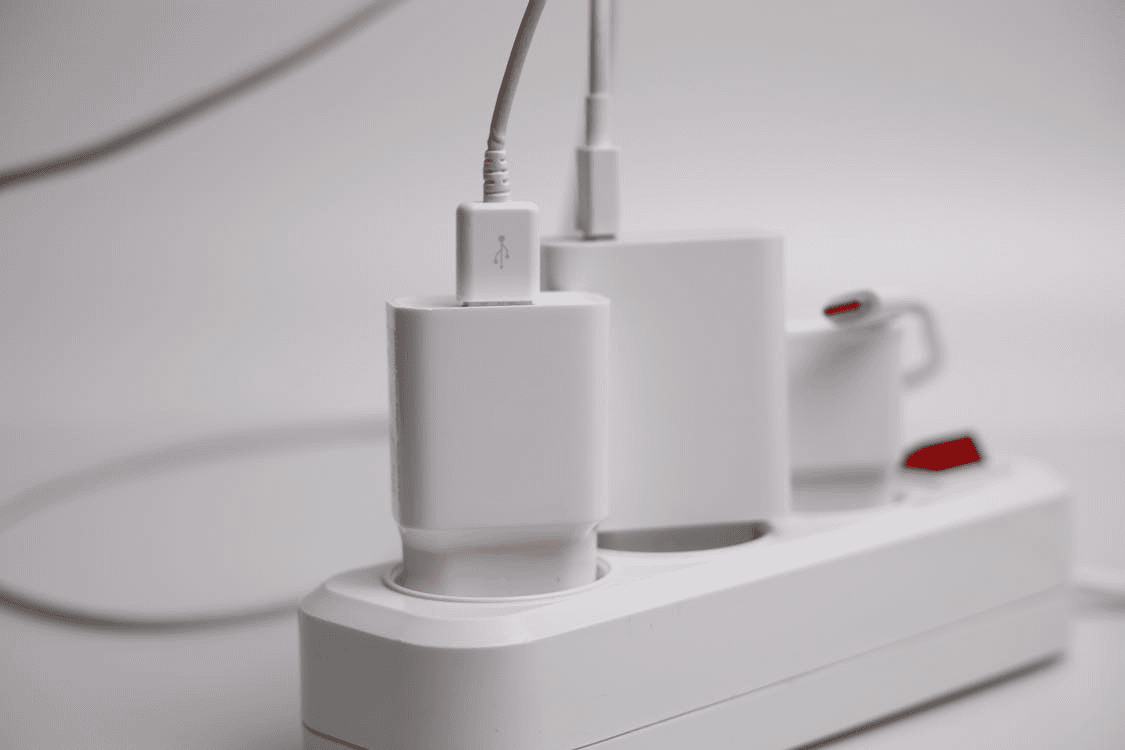
However, people don’t tend to give much thought to electrical fires. These fires are far more common than you might expect, and, sadly, homeowners’ insurance very rarely covers them. So, are you doing any of these habits that could make your home more at risk of an electrical fire?
Stop Treating Power Strips Like They’re Magical
There’s a reason this one is number one: it gets people all the time. Power strips and extension leads make life easier until they really, really don’t. Your average person is probably guilty of this; chances are, you have some overloaded power strips right now. Maybe it starts with one extra plug, then another, then somehow there’s a lamp, a charger, a speaker, a fan, and something else nobody even remembers plugging in. It’s giving one poor outlet the kind of workload it never asked for, and it’s actually really dangerous.
It’s understandable why this happens; convenience is hard to resist. A socket nearby feels useful, so everything ends up there. But if plugs are running hot, adaptors are stacked on top of each other, or cords are permanently stretched across rooms, that could lead to a disaster.
Don’t Just Think it’s Fine Because it Still Works
So, a charger looks dodgy, but it still charges, so that’s all that matters, right? Have you noticed sparks every time you plug something into a specific outlet? Do you ever see a light flickering? You just see it as something small, but it really isn’t.
Take Red Flags Seriously
Chances are, you need to take action right now. For example, if every time you put something in or out of an outlet, and you see a spark, you should contact an electrician as soon as you can, because it’s only a matter of time before that outlet gets worse. Even if the outlet isn’t in use, it can still be very dangerous too.
If things buzz, flicker, smell hot, or feel warmer than they should be, it’s a red flag; the same applies to appliances, too. You need to take these things seriously because they are the signs right before an electrical fire.
Treat Small Warnings Like They Matter
It’s easy to ignore minor issues until something feels urgent – it’s only human. But with electrics, those small warning signs are often trying to tell you something. Warm sockets, frayed or damaged cords, frequently tripping breakers, or unusual smells might seem insignificant on their own, but together they can point to a bigger problem. It’s always worth taking them seriously straight away, rather than waiting for things to escalate.
This is a collaborative post.