

7 Simple Ways to Make Your Living Room Feel Cosier Without a Full Renovation
A cosy living room doesn’t require knocking down walls or investing in a full redesign. In fact, some of the most inviting spaces come together through small, thoughtful changes that build warmth and comfort over time. Even if you’re working with a compact apartment or a larger family space, the right adjustments can shift the mood of your room completely.
This guide explores practical, achievable ways to create a more welcoming living room without committing to major renovations. From lighting and textures to layout tweaks and heating choices, each idea focuses on making your space feel lived-in, comfortable, and personal.
1. Rethink Your Lighting for a Softer Atmosphere
Lighting plays a central role in how a room feels. Harsh overhead lights can make even the most carefully decorated space feel cold or clinical. Instead, layering different light sources creates a softer, more relaxed atmosphere.
Start by introducing table lamps and floor lamps in key areas, such as beside the sofa or in darker corners. Warm-toned bulbs help create a gentle glow, especially in the evening when natural light fades. Candles can also add warmth, both visually and emotionally, particularly during colder months.
Consider how light interacts with your furnishings as well. Lampshades made from fabric diffuse light more gently than bare bulbs or metallic finishes. Positioning lights at different heights will also help avoid flat, one-dimensional lighting.
2. Use Radiators as Functional and Design Features
Heating is very essential for comfort, but it doesn’t have to be purely practical. Radiators can also contribute to the overall look and feel of your living room when you choose them thoughtfully.
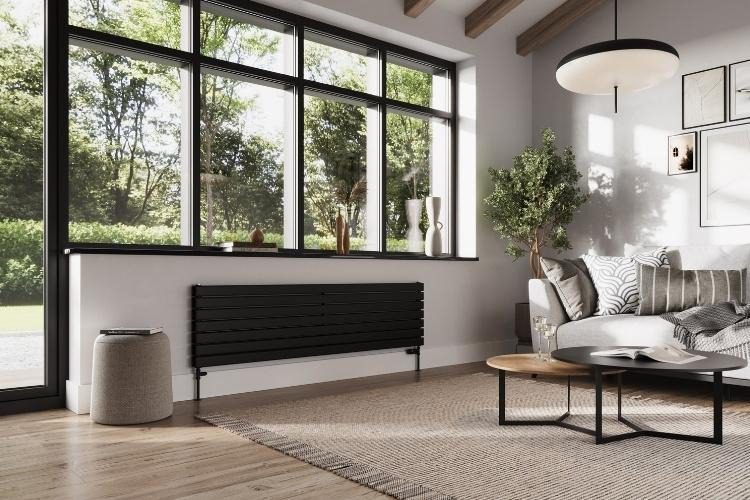
Modern designs offer sleek profiles that blend easily with different interiors. Flat panel styles, in particular, work well in contemporary spaces where clean lines matter. Instead of hiding your radiator, you can incorporate it into your design by matching it with your colour scheme or placing it strategically within the room.
For example, selecting a well-designed option from ukradiators.com allows you to combine effective heating with a streamlined aesthetic. UK Radiators offers flat-panel designs that sit neatly against the wall, helping to maintain a clutter-free look while keeping the room warm.
Positioning also matters. Placing seating near a heat source can naturally draw people into a comfortable area, making the space feel more inviting during colder seasons.
3. Add Texture Through Soft Furnishings
Texture has a powerful impact on how a room feels. A space filled with smooth, hard surfaces can feel uninviting, while layered textures create depth and comfort.
Start with cushions and throws. Mixing materials such as wool, cotton, and knitted fabrics adds visual interest while making seating areas more inviting. Rugs are another effective way to introduce warmth, especially on hard flooring. A soft rug underfoot can instantly change how the room feels when you walk into it.
Curtains also play a role. Heavier fabrics can make a room feel snug, while lighter materials still soften the space without blocking too much natural light. Even small additions, like upholstered footstools or fabric-covered storage boxes, can contribute to a cosier overall look.
4. Rearrange Your Layout for Better Flow
Sometimes, creating a cosier space doesn’t involve adding anything new at all. Instead, it’s about making better use of what you already have.
Take a fresh look at your furniture arrangement. If seating feels too spread out, try bringing chairs and sofas closer together to encourage conversation. Positioning furniture around a focal point, such as a coffee table or fireplace, can make the room feel more intimate.
Avoid pushing everything against the walls. Floating furniture slightly inward can help define the space and create a more enclosed, comfortable layout. Even small adjustments, like angling an armchair or repositioning a side table, can make a noticeable difference.
5. Introduce Personal Touches That Tell a Story
A cosy living room often reflects the people who use it. Personal items bring character and make the space feel more lived-in.
Photographs, books, and meaningful objects can all contribute to this effect. Instead of hiding everything away, display items in a way that feels intentional. A small gallery wall, a stack of books on a coffee table, or a shelf with carefully chosen décor pieces can all add personality.
Plants also help soften a room and introduce a natural element. Even low-maintenance options can make a difference, especially when placed near windows or in empty corners.
The key is balance. Too many items can feel cluttered, but a few well-chosen pieces can make the room feel welcoming and authentic.
6. Focus on Colour for Warmth and Comfort
Colour influences how we experience a space. Cooler tones can feel calm but sometimes distant, while warmer shades tend to create a more inviting atmosphere.
You don’t need to repaint the entire room to shift the mood. Introducing warmer colours through accessories can have a similar effect. Use earthy tones, soft neutrals, or muted shades that complement your existing décor.
Layering colours works well too. Combining different shades within the same palette creates depth without overwhelming the space. For example, pairing warm beige cushions with a slightly darker throw can subtly build warmth.
Even small updates, such as changing cushion covers or adding a new rug, can refresh the room without requiring significant effort.
7. Make Comfort a Priority in Everyday Use
A cosy living room should feel as good as it looks. Comfort comes from how the space functions on a daily basis.
Think about how you use the room. If you spend evenings watching television, make sure your seating supports that activity comfortably. If you enjoy reading, create a dedicated corner with good lighting and a comfortable chair.
Temperature also plays a role. Consistent warmth helps maintain a welcoming environment, especially during colder months. Choosing reliable heating solutions, such as those offered by UK Radiators, ensures your space remains comfortable without compromising on style.
Storage is another practical consideration. Keeping clutter under control helps maintain a calm atmosphere, making it easier to relax in the space.
Conclusion
Creating a cosy living room doesn’t require a full renovation. By focusing on lighting, texture, layout, and thoughtful design choices, you can transform the feel of your space with minimal effort.
Small changes often have the biggest impact. Adjusting how you light the room, introducing softer materials, or choosing functional features that also look good can all contribute to a more inviting environment. Over time, these changes build a space that feels comfortable, personal, and easy to enjoy every day.
This is a collaborative post.


