Why Does a Caravan Cost Money Even When it’s Just Sitting There?
It’s a completely reasonable question. If a caravan is parked up and not being used, how can it still be expensive?
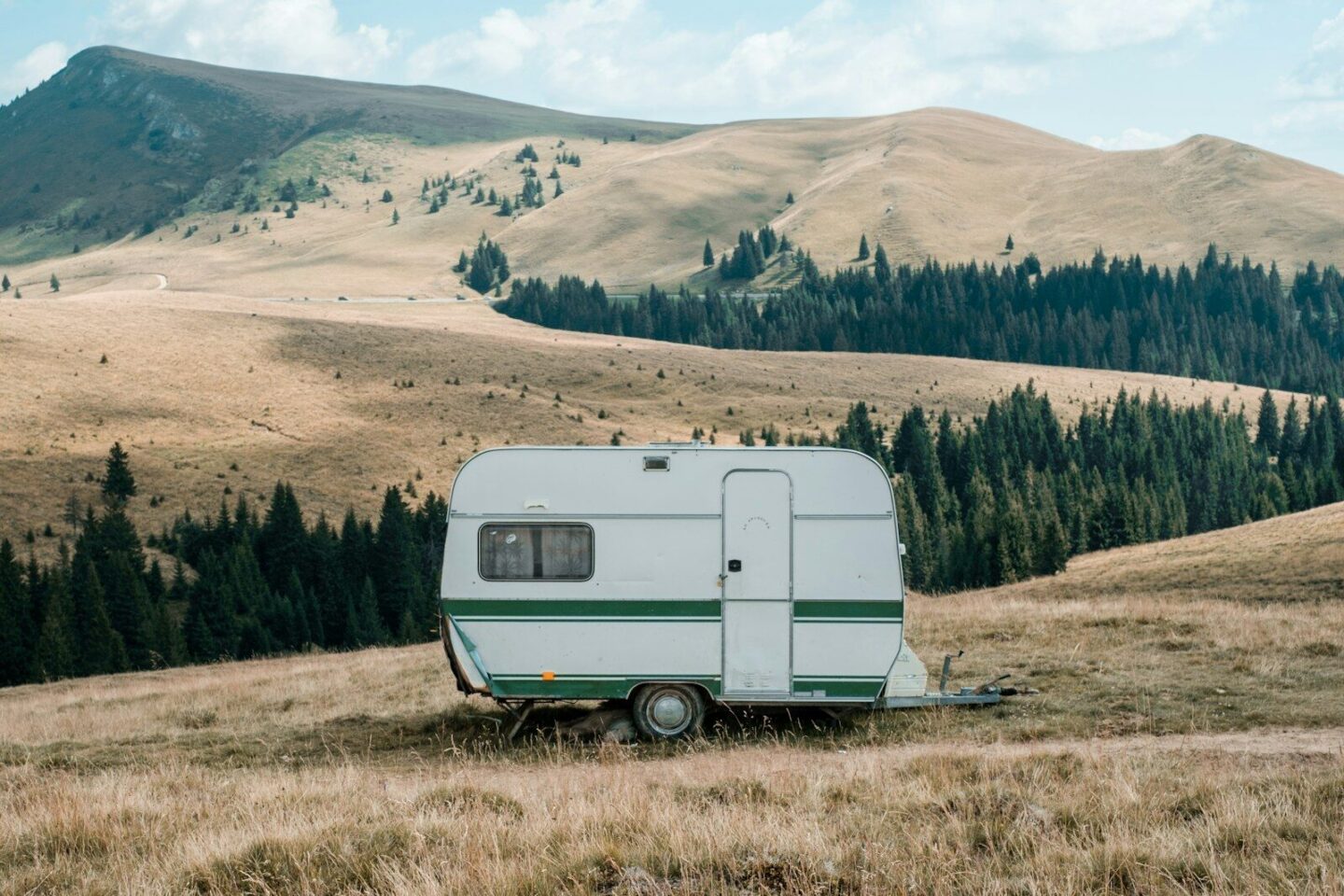
When you first buy a caravan, it represents freedom – spontaneous weekends away, scenic road trips, and that cosy home-on-wheels feeling. Even if it only gets used a handful of times a year, the idea of it is exciting. The summer preparation for travel feels simple and enjoyable, and aside from a little planning, it doesn’t seem like there should be much ongoing expense.
After the initial purchase, many people assume the costs will be minimal. Perhaps some fuel, the occasional tune-up, and that’s about it. While the purchase price is the big headline figure, it’s the ongoing yearly expenses that tend to catch owners off guard. A caravan can sit quietly, apparently doing nothing at all, and still generate regular costs.
So where does the money actually go?
Storage Fees Can Be the Biggest Expense
Unless your caravan is parked on your driveway and local regulations allow it, storage is usually part of the arrangement. A dedicated storage facility offers convenience and security, particularly if space at home is limited, but it also means a recurring bill.
Storage fees can vary significantly. Locations close to home, sites with enhanced security, or facilities offering extended access hours often charge more. Covered storage typically costs extra, and larger caravans usually attract higher fees. In some areas, waiting lists mean people pay to secure a spot even before they actively need it.
Even when the caravan isn’t moving, storage fees continue month after month.
You Still Need Routine Servicing
Servicing isn’t just for caravans that are constantly on the road. In fact, even when unused, components can deteriorate over time. Seals can dry out, parts can loosen, and mechanical systems can degrade. Everything may look fine on the surface, but that doesn’t guarantee it’s road-ready.
Annual servicing is generally recommended. This can include checks on brakes, chassis, lights, gas systems, and electrics – all essential for safety. Skipping these inspections isn’t worth the risk, particularly if you want to avoid complications or potential issues with insurance.
Small repairs can also add to the total cost. Replacing worn cables, repairing light fittings, or addressing minor damp issues may not seem significant individually, but they quickly accumulate. If the caravan has been stationary for several months, a thorough check before travelling becomes even more important.
Insurance and Paperwork Costs Still Exist
Even when it’s parked, caravan insurance remains a necessary expense. Like any vehicle, it requires cover whether it’s in use or not. Storm damage, theft, vandalism, or accidental damage can all occur while it’s in storage.
Beyond insurance, there may also be registration requirements, inspections depending on location, and other administrative costs that contribute to the yearly total. These expenses don’t disappear simply because the caravan isn’t travelling.
Yes, Tyres Still Age
Tyres don’t only wear out through mileage. They also degrade over time. A caravan sitting in storage can still develop cracked sidewalls, flat spots, or weakened rubber due to sun exposure, cold temperatures, and prolonged inactivity.
Even if the tread appears perfectly usable, tyre age alone may require replacement. It’s not an exciting upgrade and it doesn’t enhance the look or comfort of the caravan, but it’s essential for safety. And unfortunately, it’s rarely inexpensive.
Got Memberships and Add-Ons?
Many owners sign up for useful memberships that offer campsite discounts, towing assistance, route planning tools, or access to exclusive facilities. While valuable, they are still part of the annual cost.
There are also add-ons that seem minor at first: upgraded security systems, wheel clamps, hitch locks, trackers, protective covers, dehumidifiers, and storage accessories. Individually, they may not feel substantial, but together they can represent a notable ongoing investment.
A caravan doesn’t need to be travelling to cost money. Storage, servicing, insurance, tyres, paperwork, and optional extras all continue quietly in the background.
That doesn’t mean owning one isn’t worthwhile. For many people, the flexibility and experiences far outweigh the expenses. But it does mean that the true cost of ownership extends beyond the purchase price – even when it’s just sitting there.
This is a collaborative post.