What Are The Common Dangers Of An Older Property?
In some countries like the UK, it’s not uncommon for people to live in a property with centuries of history behind it. While many of these buildings were designed to last, and that’s of course why they remain on the market, not all buildings at all times can be perfectly preserved. This is the toss-up we always accept when living in an old house, that it may require more maintenance than others, but in general, those fixes can last if properly invested in.
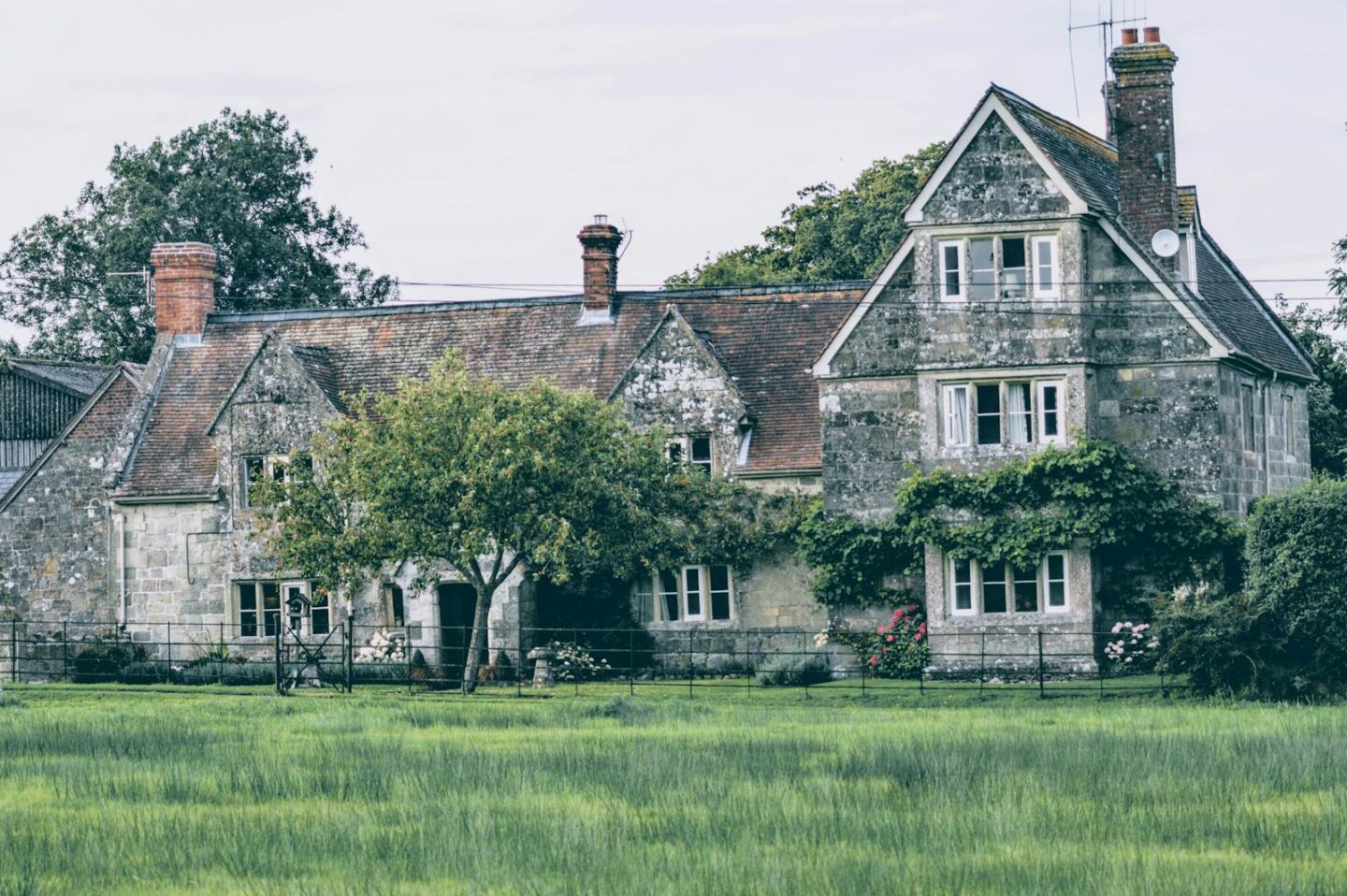
This is easier said than done when you’re dealing with a leak or trying to deal with that squawking wrought-iron gate hinge. Moreover, sometimes it’s not just basic maintenance like placing lubricating oil on a gate that matters, but resolving the health risks of an older property and its lack of upgrades over time.
In this post, we’ll discuss how to avoid the common dangers of an older property and keep your family safe.
Fuse Box Upgrades
The fuse box may not have been upgraded in a while, especially if the previous owner lived there for decades. You can usually spot these outdated systems by their ceramic fuses or lack of modern safety features. They might have served the house well for decades, but they weren’t designed for today’s electricity demands or safety standards, and that’s not something you can just ignore, not least because these older systems simply can’t handle the number of devices we plug in nowadays. That’s why hiring professional electricians to come and check your switchboard and upgrade it can be so important.
Gas & Plumbing Care
Gas appliances might seem quaint and even good for cooking if you have an old hob, but many were installed long before current ventilation requirements and might release carbon monoxide into living spaces rather than safely outside. You can’t see or smell this, and it can be lethal, which makes regular gas inspections crucial. Buy an alarm first and foremost to alert you if it is present.
Moreover, older pipework can develop leaks in the most inaccessible and frankly annoying places. Worse, lead pipes are pretty common in pre-1970s buildings and have real health risks clear to us now. Water sitting in these pipes overnight can absorb lead, especially if your area has slightly acidic water. You may need to replace the entire network, but your health is priceless, so it’s not a bad idea.
Roof Maintenance & Protections
An old house might have an old roof, and it may have been through the wars, so to speak. You might see original timbers with carpenter’s marks from craftsmen long passed, which is incredible to think about. But of course, a roof that offers a history lesson is one thing, and a roof that functions and keeps you dry is another. It’s worth checking for water stains on ceiling joists, which often appear long before they break through to living spaces. A small patch job now could help you prevent the structural timber rot that damages the entire roof structure. But you may also wish to replace beams, or completely fix tiles and fascias if needed.
With this advice, we hope you can avoid the most common dangers of an older property.
This is a collaborative post.