How to Prepare Your Family Ute for a Weekend Camping Trip
Australians have always loved the great outdoors, but regional travel has recently reached new heights. According to recent data from Tourism Research Australia, locals are hitting the road in record numbers, taking over 17.3 million caravan and camping trips across the country in a single year. With so many families swapping busy city weekends for relaxing outback adventures, the standard family car has had to evolve significantly to keep up with these demanding outdoor lifestyles.
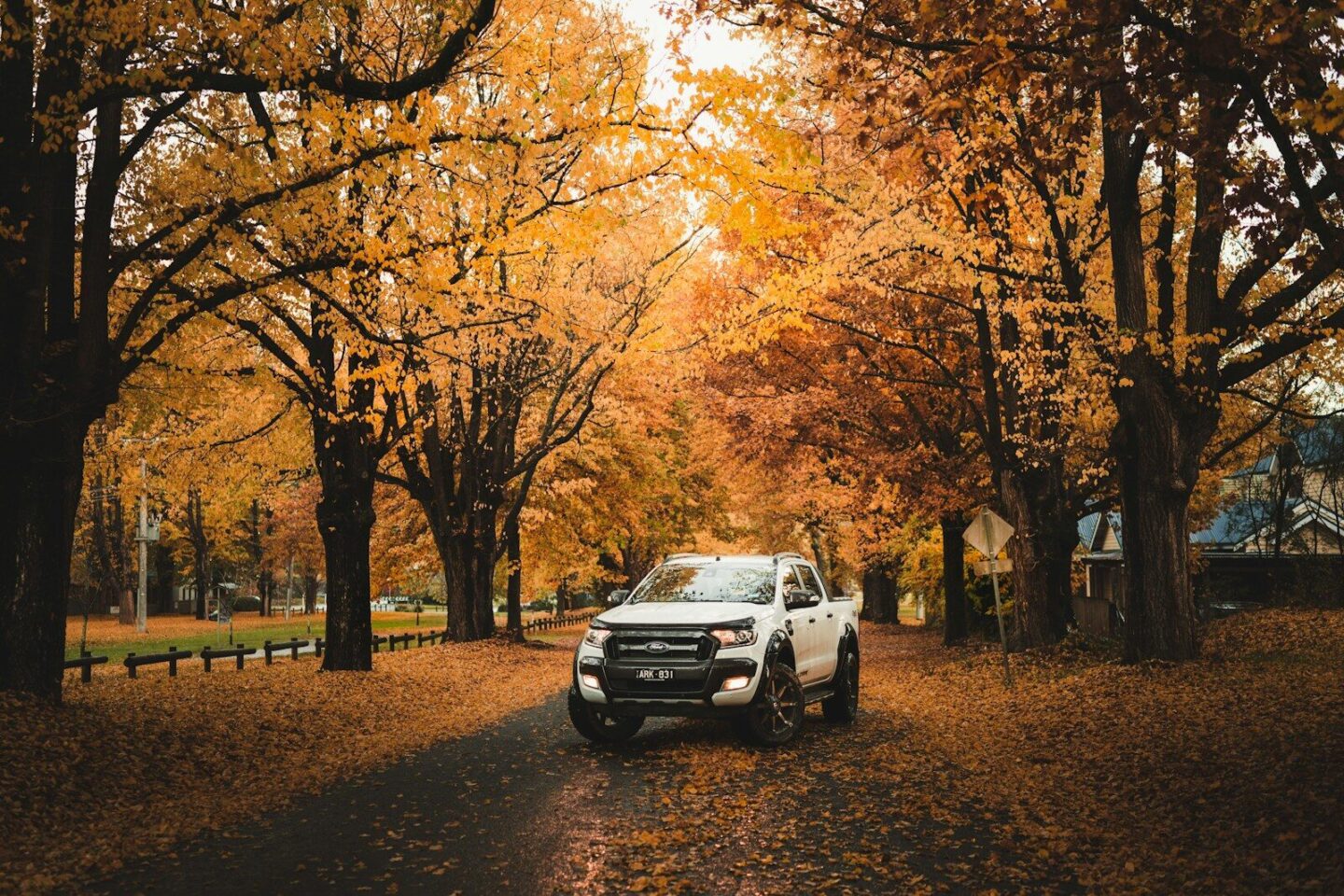
According to official VFACTS data, the 4×4 ute segment recorded over 215,000 sales in 2025, representing the highest annual result on record. By the first quarter of 2026, utes accounted for roughly one in every five new vehicles sold across the country. It is easy to see why pickup trucks make the best family cars, as modern dual-cab models offer the perfect mix of daily school-run practicality and rugged weekend capability. However, transitioning your daily driver into a holiday-ready adventure vehicle requires careful preparation before you load up the kids and hit the highway.
Weatherproofing Your Cargo Space
Before packing your sleeping bags and camping chairs, you need to ensure your tub is genuinely weatherproof. Driving at high speeds on unsealed outback roads creates a low-pressure zone directly behind the vehicle. This generates a powerful vacuum effect that forcefully sucks fine bulldust into the cargo area through the smallest of gaps. Prolonged driving over heavily corrugated dirt tracks can also cause the tub to flex, which progressively weakens factory-standard hinges and latches over time.
To keep your family food supplies and expensive camping gear perfectly clean, you need a high-quality barrier against the elements. Upgrading to a heavy-duty canopy door seal prevents fine red dirt and sudden rainwater from ruining your equipment. With the Bureau of Meteorology predicting above-average rainfall for large portions of western and central Australia late in 2026, ensuring your seals are well maintained is vital for keeping everything completely dry before you even reach the campsite.
Understanding Vehicle Limits and Payload
One of the most critical aspects of road trip safety is understanding your vehicle’s Gross Vehicle Mass. This limit is strictly capped by the manufacturer and enforced by state transport authorities. Many families unknowingly exceed their legal payload limit because they forget that everything added to the vehicle reduces its carrying capacity.
When calculating your payload, you must account for all of the following factors:
- The kerb weight of the ute: The base weight of the vehicle with a full tank of fuel.
- Passenger weight: The combined weight of you, your partner, and the children.
- Aftermarket accessories: Steel bullbars, roof racks, tub drawers, and canopies add significant bulk to your baseline weight.
- Camping luggage: Tents, portable fridges, heavy food boxes, and water containers.
- Tow ball download: If you are towing a camper trailer, roughly ten per cent of the trailer’s total weight transfers directly to the ute and counts against your limit.
Packing Smart for Road Safety
Exceeding weight limits does more than just risk a severe fine from the National Heavy Vehicle Regulator. Poor weight distribution acts like a seesaw on your chassis. For instance, packing dense camping gear too far behind the rear axle lifts the front of the vehicle, which significantly reduces steering control and braking efficiency when navigating winding country roads. Overloading can also place immense stress on your suspension components and may even void your comprehensive insurance policy in the event of an unfortunate accident.
Road safety experts highly recommend taking your fully loaded, trip-ready family ute to a certified public weighbridge. Checking your front and rear axle loads before you head off-road gives you peace of mind that your setup complies with legal limits. It is a small step that ensures maximum safety for your family on the highway.
Additionally, you should always check your tyre pressures to match your new payload. A fully loaded ute requires different tyre inflation compared to an empty vehicle doing the short daily school run. Adjusting your pressures according to the manufacturer’s recommendations will improve your overall fuel economy, reduce premature tyre wear, and provide much better traction on wet or unsealed outback roads. Properly inflated tyres are particularly important when traversing sandy terrain or muddy tracks during your camping trip.
Preparing your family ute for a weekend camping trip involves more than just throwing a tent in the back. By weatherproofing your cargo area, calculating your payload accurately, and packing smart, you can protect your gear and ensure a smooth journey. Taking the time to set up your vehicle correctly means you can focus entirely on enjoying the great outdoors and making lasting memories with your family.
This is a collaborative post.