7 Simple Ways to Teach Children Responsibility
Responsibility is not something children learn overnight. It develops gradually as they are given small, manageable tasks and encouraged to take ownership of their choices.

Teaching responsibility does not mean expecting children to behave like adults or leaving them to cope with situations beyond their age. It is about helping them understand that their actions matter, that everyone contributes to family life and that mistakes can usually be put right.
The earlier children begin practising these skills, the more naturally they can become part of everyday life. Here are some simple, age-appropriate ways to help your child become more responsible.
Give Them Age-Appropriate Household Jobs
Small household jobs give children the opportunity to make a useful contribution at home. Even very young children can put toys into a box, place dirty clothes in the laundry basket or help set the table.
As they grow older, they can take on more responsibility, such as making their bed, unloading safe items from the dishwasher, sorting laundry or keeping their bedroom reasonably tidy.
Choose jobs that suit your child’s age and abilities, and show them how to complete each one before expecting them to do it independently. A visual chart or simple checklist can be helpful, particularly for younger children who may struggle to remember several instructions at once.
Try to focus on consistency and effort rather than perfection. A slightly untidy bed made by your child is still an important step towards independence.
Encourage Them to Help in the Kitchen
Helping in the kitchen teaches children several valuable skills, including following instructions, working safely and cleaning up after themselves.
Younger children could wash fruit, stir cold ingredients, carry unbreakable items to the table or choose between two healthy snacks. Older children may be able to prepare their school lunch, measure ingredients or make a simple meal with appropriate supervision.
Cooking together can take longer than doing everything yourself, but it gives children a genuine role in family life. It also provides a natural opportunity to explain that finishing a task includes putting ingredients away and cleaning the work surface afterwards.
Remember to notice their effort. Specific encouragement, such as “You followed those instructions carefully,” can help build their confidence while reinforcing the behaviour you want to encourage.
Help Them Take Care of Their Belongings
Children can begin learning responsibility by looking after the things they use every day. This might include returning books to a shelf, putting shoes by the door or packing away toys after playing.
Rather than repeatedly tidying everything for them, create clear and accessible places for their belongings. Low hooks, labelled storage boxes and baskets can make it much easier for younger children to put things away independently.
If something is lost because it was not returned to its usual place, resist the temptation to solve the problem immediately. Help your child retrace their steps and look for it. This allows them to experience a small, natural consequence while still feeling supported.
Let Them Manage Parts of Their Routine
Daily routines provide plenty of opportunities for children to practise being responsible for themselves.
A younger child might choose an outfit from two suitable options, brush their teeth with supervision or put their pyjamas away in the morning. An older child could pack their school bag, check that they have their PE kit or use a checklist to prepare for the following day.
At first, your child will probably need regular prompts. You can then reduce these gradually as the routine becomes familiar. This teaches independence without expecting them to remember everything immediately.
Some children need more reminders and structure than others. The aim is steady progress, not complete independence by a particular age.
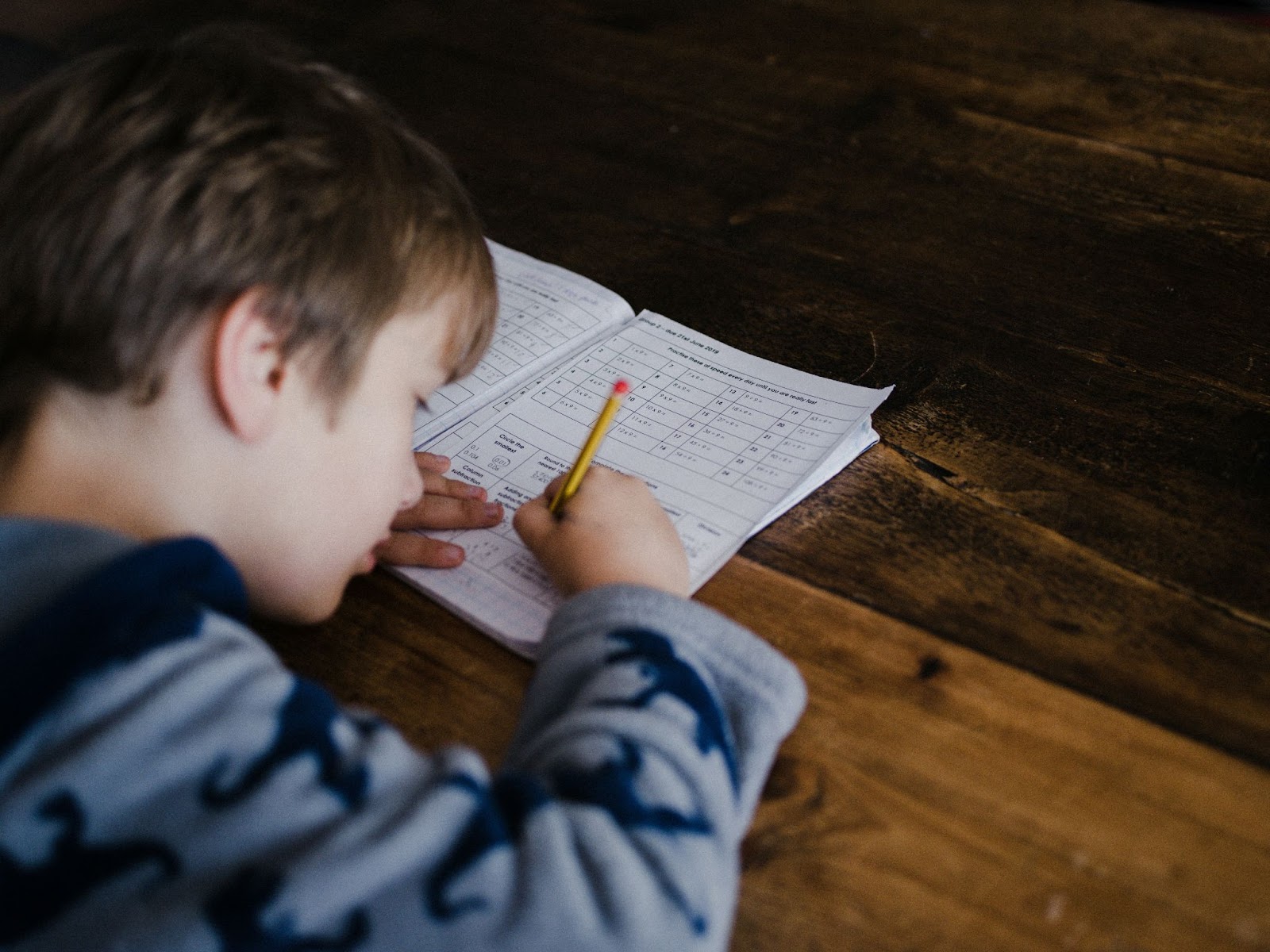
Support Them in Taking Ownership of Schoolwork
Homework and other school responsibilities can be a source of tension, especially when parents feel they have to supervise every step.
It can help to establish a regular time and suitable place for homework. Make sure your child understands what they need to do, but avoid completing the work for them. Offer support if they are genuinely stuck while making it clear that the task belongs to them.
A checklist can help older children remember homework, reading books and school equipment. If they forget something occasionally, allow them to experience a reasonable consequence rather than rushing in to fix every mistake.
However, repeated difficulty with homework may not simply be a lack of responsibility. Your child might not understand the task, could be feeling overwhelmed or may need additional support. Speak to their teacher if the problem continues so that you can find a constructive solution together.
Teach Them How to Put Mistakes Right
Being responsible does not mean never making mistakes. It means recognising what happened and taking appropriate steps to put it right.
If your child spills a drink, involve them in wiping it up. If they hurt somebody’s feelings, help them think about how to apologise sincerely. If they damage something, discuss whether it can be repaired or replaced.
Try to approach mistakes calmly. Harsh criticism may make children more likely to hide what has happened, whereas a calm response encourages honesty and problem-solving.
You can also model this behaviour yourself. When you make a mistake, acknowledge it and explain how you plan to resolve it. Children learn a great deal from watching how the adults around them handle their own responsibilities.
Involve Them in Caring for a Pet
If your family already has a pet, your child can help with simple, age-appropriate aspects of its care. They might refill a water bowl with supervision, help measure food, brush the pet or join you on walks.
It is important, however, that an adult remains ultimately responsible for the animal’s welfare. Children can forget tasks, misunderstand instructions or lose interest, so a pet should never have to rely entirely on a child for food, water, exercise or medical care.
Getting an animal solely to teach a child responsibility is rarely a good idea. Every pet requires time, money, suitable living conditions and a long-term commitment from the whole family.
If you already have a pet, caring for it together can help your child understand that animals depend on people to meet their needs. Supervised involvement can encourage empathy as well as responsibility.
Teaching responsibility is an ongoing process, so there will inevitably be forgotten jobs, untidy bedrooms and repeated reminders along the way. What matters is giving children regular opportunities to contribute, make appropriate choices and learn from small mistakes.
Keep your expectations realistic, offer help when it is genuinely needed and recognise their progress. With patience and practice, these everyday habits can help children grow into more capable, considerate and confident young people.