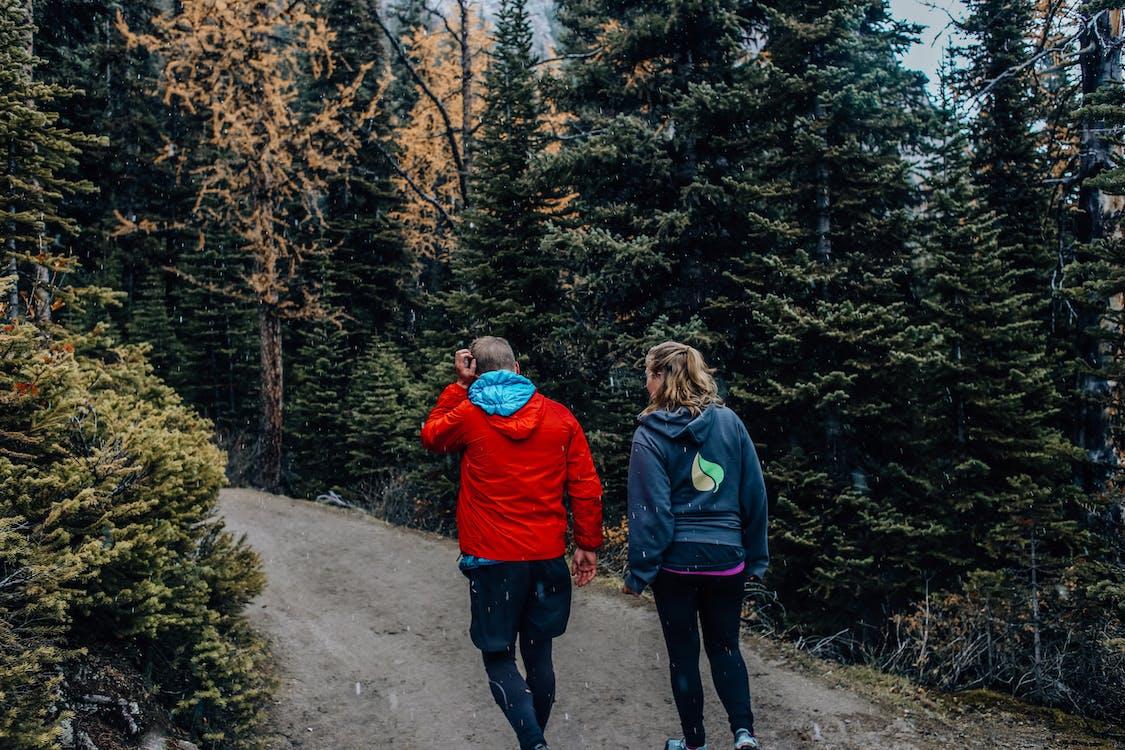
Travel Memories You Can Capture Without Constantly Looking at Your Phone
Travel is about experiencing new places, meeting new people, and creating memories that last long after the trip ends. Yet many travellers spend a surprising amount of time looking at their phone screens instead of enjoying the destination itself. Between taking photos, recording videos, checking maps, and sharing updates on social media, it is easy to miss the moments happening right in front of you.
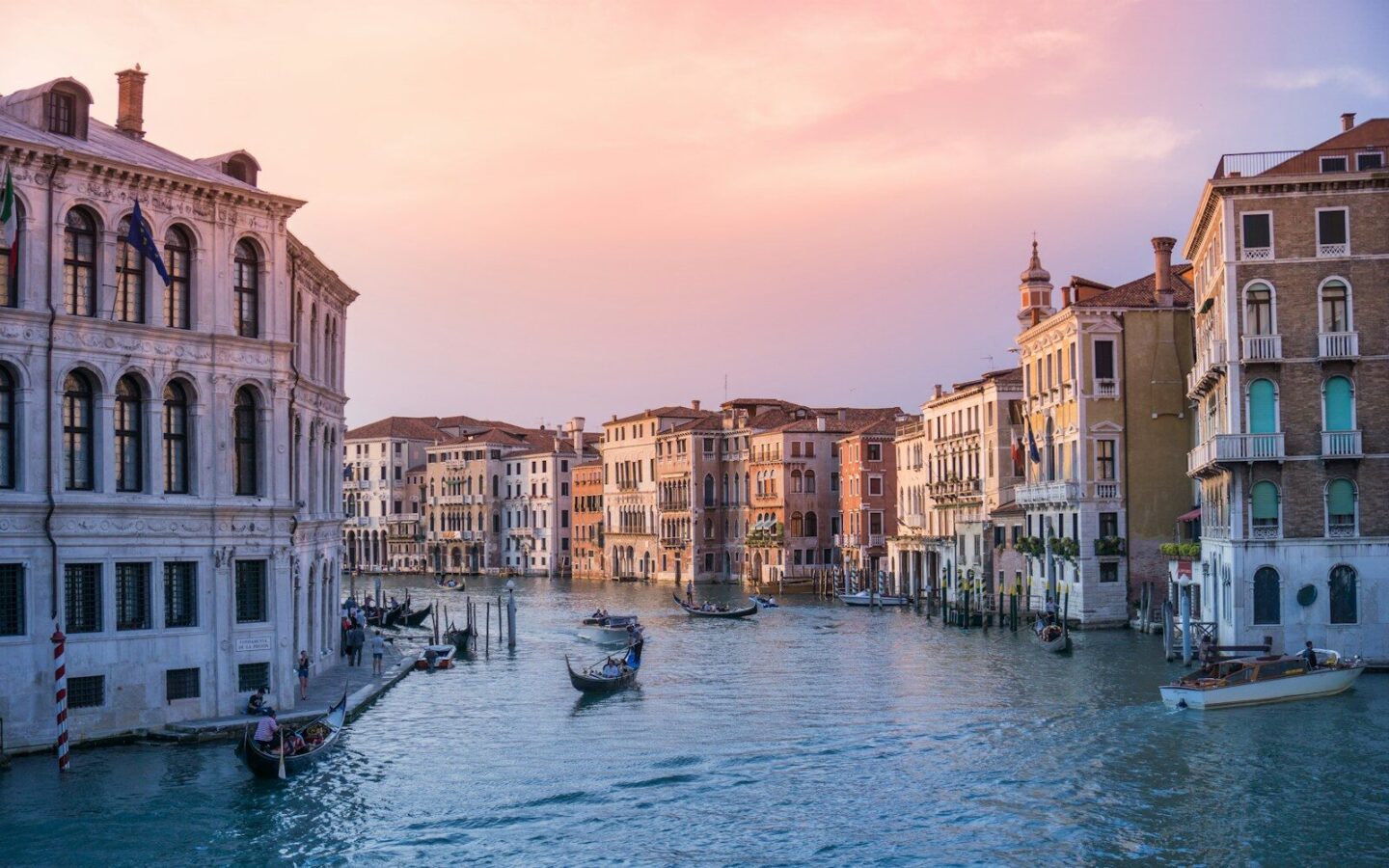
Fortunately, preserving travel memories does not have to mean constantly holding a smartphone. With a few thoughtful habits, you can document your adventures while staying present and enjoying the journey as it unfolds.
Focus on Experiences First
One of the easiest ways to create meaningful memories is to experience an activity before trying to capture it.
When you arrive at a scenic viewpoint, watch the sunset, or enter a historic landmark, give yourself a few minutes without reaching for a camera. Pay attention to the sounds, the atmosphere, and the details around you. Taking in the experience first often leads to stronger memories and more thoughtful photos afterwards.
Many travellers find that they enjoy their trips more when they spend less time worrying about documenting every second.
Choose Quality Over Quantity
It is tempting to take dozens of nearly identical photos, especially at famous attractions.
Instead of filling your gallery with hundreds of similar images, slow down and look for a few moments that truly represent the experience. A meaningful photo often tells a better story than fifty rushed snapshots.
Being selective also makes it much easier to organise and revisit your travel memories once you return home.
Keep a Simple Travel Journal
Photos capture what a place looked like, but they rarely capture how it felt. Writing a few notes at the end of each day helps preserve details that might otherwise fade over time. Record conversations with locals, unexpected discoveries, favourite meals, or funny moments that never appeared in any photograph.
Even five minutes of writing each evening can create a valuable record of your journey.
Collect Small Keepsakes
Not every memory needs to exist digitally. Postcards, museum tickets, local maps, train passes, and handwritten notes all become meaningful reminders of a trip. Some travellers keep these items in a scrapbook, while others store them in a simple folder to revisit later.
Physical souvenirs often bring back memories that photographs alone cannot capture.
Learn Basic Photography Instead of Constant Shooting
Understanding a few photography basics can improve your travel pictures while reducing the need to take hundreds of attempts.
Pay attention to natural light, composition, and interesting angles. Waiting for the right moment instead of taking continuous photos usually produces better results with much less effort.
This approach also gives you more time to enjoy the destination rather than looking through a screen.
Capture Short Moments Instead of Long Recordings
Many people record long videos that they rarely watch again.
Instead, consider capturing a few short clips that highlight memorable experiences. The sound of ocean waves, a local street musician, or a bustling marketplace often creates stronger memories than lengthy recordings.
Short videos are easier to organise and more enjoyable to revisit after the trip.
Use Wearable Technology When Appropriate
Travel photography continues to evolve alongside new technology.
Some travellers prefer wearable devices that allow them to document experiences without constantly reaching for their phones. For example, Ray-Ban recording glasses can capture photos and short videos while allowing users to keep their hands free and remain more engaged with their surroundings. They are particularly useful during activities such as hiking, cycling, walking through historic districts, or exploring busy markets where stopping to use a phone repeatedly can interrupt the experience.
Like any technology, these devices work best when used thoughtfully rather than continuously.
Put Your Phone Away During Special Moments
Some experiences deserve your full attention. Whether you are watching wildlife, enjoying a concert, sharing dinner with family, or standing at the top of a mountain after a long hike, not every moment needs to be recorded.
Many travellers later discover that the memories they cherish most are the ones they experienced fully rather than the ones they photographed the most.
Create a Photo Review Routine
Instead of reviewing every image immediately after taking it, wait until the end of the day. Looking through your photos in the evening allows you to relive the day’s experiences while keeping your attention on the trip itself during the day. It also gives you an opportunity to delete duplicates and organise your favourite images before they accumulate.
A small daily review prevents thousands of unsorted photos from piling up over multiple trips.
Share Your Trip After You Return
Posting updates in real time is not always necessary. Waiting until you return home allows you to choose your best photos, write more thoughtful captions, and reflect on the overall experience. It also reduces the temptation to spend valuable travel time editing pictures or checking social media engagement.
Sharing memories after the trip often results in more meaningful stories for both you and your audience.
Remember That Some Memories Belong Only to You
Not every meaningful experience needs to be photographed or shared. Sometimes the most memorable moments happen unexpectedly during a conversation with a local resident, while sitting quietly on a beach, or during a sunrise that no camera can fully capture.
Allowing yourself to simply be present creates memories that remain valuable even without a digital record.
Travel is about much more than collecting photos. The best trips combine meaningful experiences with thoughtful documentation that supports, rather than replaces, the journey itself.
By taking fewer but more intentional photos, keeping a simple journal, collecting personal keepsakes, and using technology in ways that minimise distractions, you can preserve your adventures without spending the entire trip looking at a screen. In the end, the memories you remember most clearly are often the ones you truly lived, not just the ones you captured.
This is a collaborative post.