Transitional Interior Design Tips to Achieve a Harmonious Look at Home
Transitional interior design has become a favourite among UK homeowners looking to create stylish yet comfortable living spaces. Blending the elegance of traditional design with the clean lines of contemporary aesthetics, this style strikes a perfect balance that feels both timeless and liveable. It’s an especially ideal approach for those wanting to modernise a period property without losing its historical charm, or soften the edges of a newer build with touches of warmth and character.
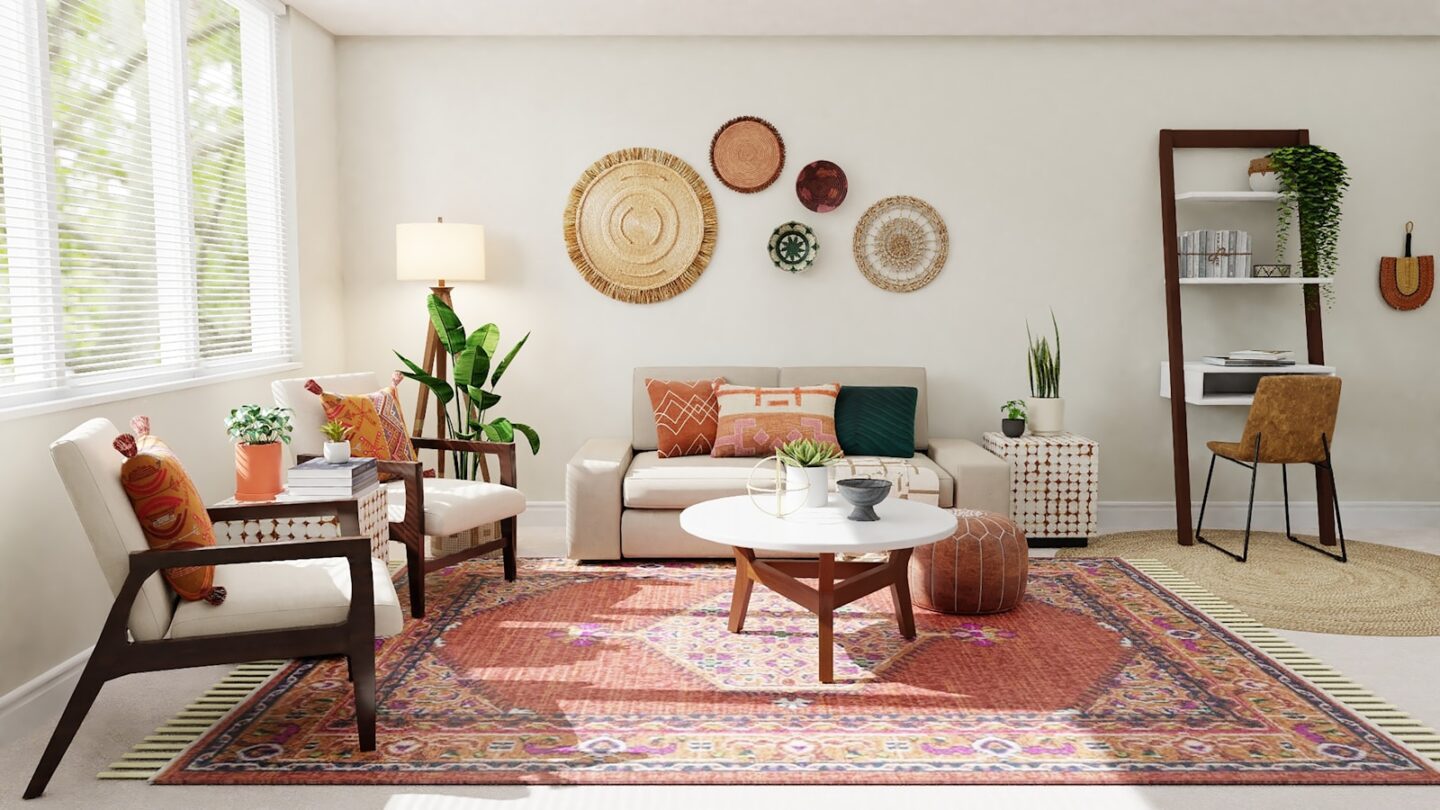
At its heart, transitional style is all about balance, borrowing the best elements from traditional and modern interiors. Think of it as parking classic silhouettes with sleek finishes or ornate architectural features set against minimalistic backdrops. Rather than leaning too far into one style, transitional spaces remain grounded in simplicity, cohesion, and comfort. In the UK, where homes often come with rich architectural history, this style offers a thoughtful way to respect original features while embracing current design trends.
If you’re hoping to achieve a harmonious look in your own home, the following transitional interior design tips will help you marry old and new with confidence and style.
Start with a Neutral Colour Palette
A neutral colour scheme provides the foundation for a transitional space, helping unite traditional and contemporary elements under one cohesive look. Soft whites, beiges, taupes, and greys work particularly well to create a calming, sophisticated backdrop. They make it easier to incorporate a variety of textures, finishes, and furniture styles without overwhelming the eye.
Neutrals also have the advantage of being timeless, reducing the need for frequent redecorating and allowing your space to evolve gradually.
Keep Accessories Minimal but Meaningful
Accessories should be used to add character, not clutter. In a transitional space, each decorative element should serve a purpose or tell a story. Instead of filling every surface, curate a few well-chosen items that reflect your personality or the history of your home. These could include framed black-and-white family photos or ceramics picked up from a British craft fair.
Art posters and prints are also excellent for injecting style and personality into your space without overwhelming it. Choose pieces with subtle tones or abstract forms to maintain a refined look, or go for vintage-inspired prints that give a nod to tradition while still feeling current.
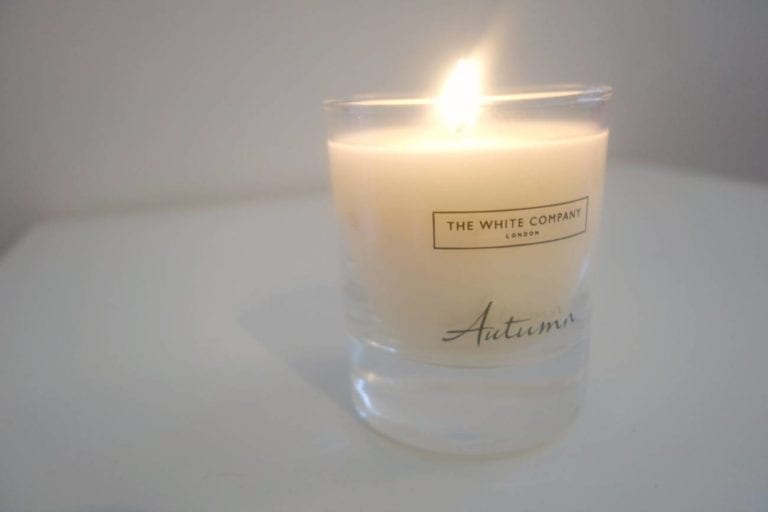
When styling shelves or surfaces, think in terms of balance. Mix shapes, sizes, and textures to create visual interest without overcrowding. Candles, books, vases, and artworks can all play a role, but leave space for the room to breathe. Accessories in complementary tones and materials to your furnishings will also help maintain a cohesive design.
Blend Old and New Pieces Intentionally
Another distinctive aspect of transitional design is the thoughtful mixing of old and new. It’s about curating a space where each item feels purposeful and contributes to a harmonious aesthetic. For instance, a modern glass coffee table can sit beautifully beside a vintage Chesterfield sofa with a similar colour scheme.
In many UK homes, particularly older ones with Victorian or Edwardian architecture, existing traditional elements like fireplaces, ceiling roses, or decorative mouldings can be enhanced with contemporary artwork or minimalist window treatments.
Layer Different Textures and Finishes
Layering different materials and textures adds depth and visual interest to any room, and it’s essential to transitional design. The contrast between soft and hard, matte and shiny, or rustic and refined gives a space character while still maintaining a sense of balance.
Natural materials such as wood, stone, and leather pair beautifully with more modern finishes like chrome, glass, or brushed brass. In the UK, where creating a warm, comfortable atmosphere is often a priority due to the climate, rich textures like velvet and wool can introduce tactile comfort. You can add these through throws, cushions, or upholstered furniture to help ground the blend of design eras.
Design with Practicality in Mind
While aesthetics are important, transitional interiors also value practicality and comfort. Creating a functional layout that promotes easy movement and purposeful use of space is essential, particularly in UK homes where layout constraints like narrow hallways, bay windows, or smaller rooms can pose design challenges.
To maximise usability, consider multifunctional furniture such as storage ottomans, nesting tables, or consoles that double as desks. Make sure to also arrange your furniture to encourage conversation and relaxation. In open-plan homes, use rugs or lighting to define zones without needing physical barriers for separation.
Use Statement Lighting
Transitional interiors can also benefit from statement lighting that bridges the traditional and the modern. You can install a sculptural chandelier hanging above a classic dining table or sleek industrial-style pendants suspended over a shaker kitchen island. Layered lighting is also essential. You can achieve this by using a mix of ambient (ceiling), task (reading lamps), and accent (wall sconces or picture lights) to create a well-rounded atmosphere.
Transitional interior design is all about thoughtfully blending classic and contemporary elements to craft a home that feels both timeless and comfortable. This balanced approach allows you to honour traditional charm while embracing modern sophistication. Whether you’re renovating a Victorian terrace or furnishing a modern flat, applying these key principles will help you create a beautifully cohesive space that stands the test of time.
This is a collaborative post.