How to Create a Beautiful Garden Pond: 9 Simple Tips
Adding a pond to your garden can completely change the feel of the space. As well as creating an attractive focal point, water brings movement, reflections and a sense of calm to a garden. Even a relatively small pond can make an outdoor space feel more interesting and encourage wildlife to visit.
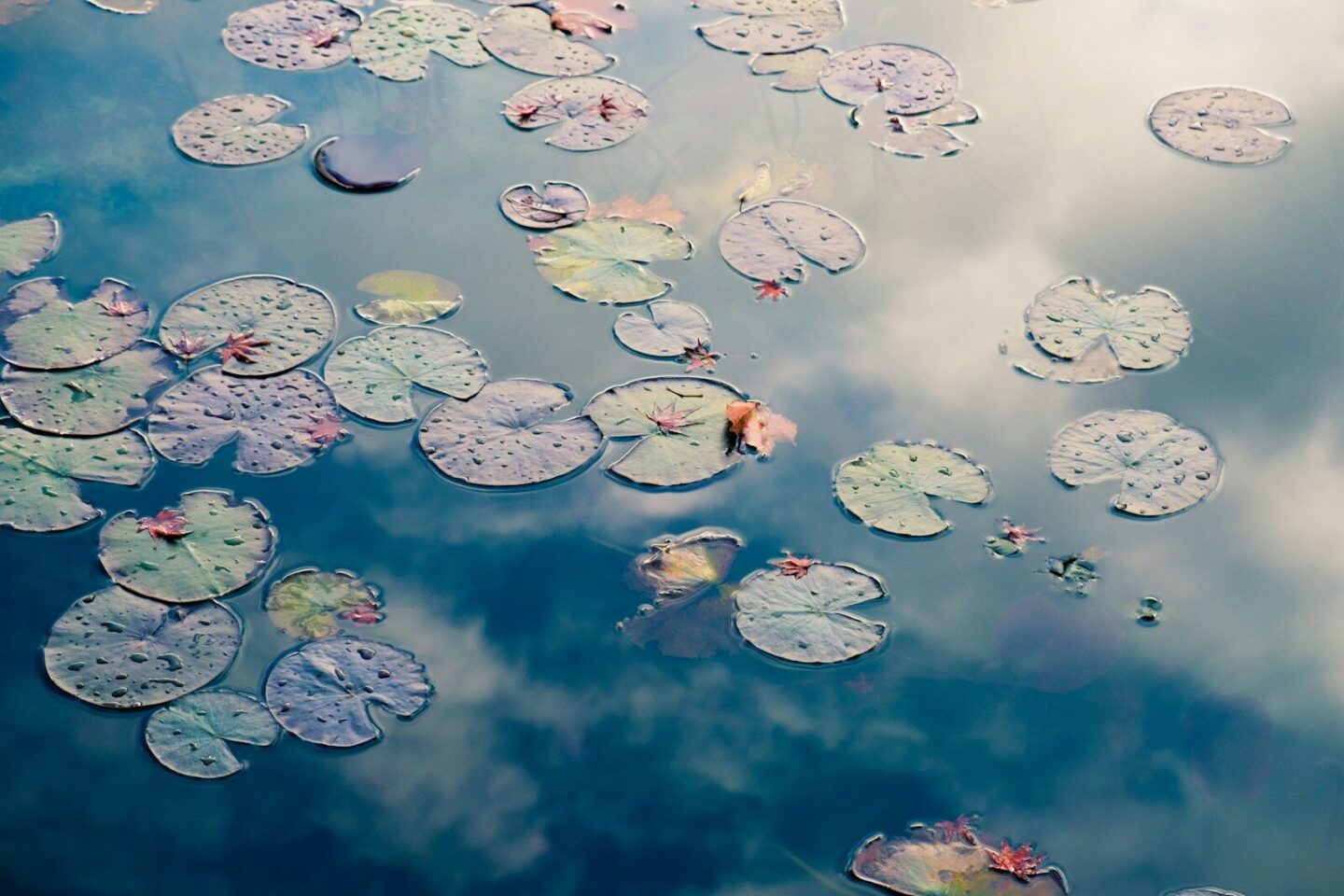
The good news is that you don’t need a huge garden or an elaborate pond to make an impact. A few carefully chosen plants, natural materials and thoughtful finishing touches can turn a simple pond into a lovely feature that feels like a natural part of your garden.
Choose the Right Location
If you’re creating a pond from scratch, spend some time deciding where it will work best before you start digging. Ideally, you want somewhere you can actually see and enjoy it, perhaps from your patio, kitchen window or favourite place to sit outside.
Think about how much sunlight the area receives too. Some sunshine is useful for pond plants, but a pond in full sun all day can become too warm and may be more prone to algae. It’s also worth avoiding a position directly beneath large trees where possible, as falling leaves can quickly build up in the water.
If you have young children visiting or living at home, pond safety should also be an important part of your planning.
Add Plenty of Pond Plants
Plants are one of the easiest ways to make a pond look established rather than simply like a hole filled with water. They soften the edges, add colour and help the pond blend naturally into the rest of the garden.
Water lilies are a classic choice and look beautiful floating on the surface, while marginal plants can add height and interest around the edges. Submerged oxygenating plants are less noticeable, but they can play an important role in maintaining a healthy pond environment.
Try to include a mixture of plants at different depths rather than filling the entire pond with one variety. You’ll create a much more natural-looking feature and provide useful shelter for insects, amphibians and other wildlife.
If you’re not sure which plants will suit the size and depth of your pond, a specialist aquatic nursery or local garden centre should be able to advise you.
Make the Edges Look Natural
The edges can make a huge difference to the overall appearance of a pond. A visible plastic liner or an abrupt border can make even a beautifully planted pond look unfinished.
Natural stone, gravel and carefully positioned rocks can disguise the liner and help connect the pond with the surrounding garden. You could also plant low-growing flowers and greenery around the edge to soften everything further.
Try not to make it too perfect. A mixture of stones in different shapes and sizes generally looks more natural than creating an identical border all the way around.
Install Pond Lighting
Lighting can make your pond just as attractive in the evening as it is during the day. Carefully positioned lights can highlight plants, moving water or particular areas around the edge, while underwater lighting can create lovely reflections across the surface.
You don’t need to light every inch of the pond. In fact, a few subtle lights will often look better than lots of bright ones. Solar-powered lights can be a simple option if you don’t have an electricity supply nearby, while specialist pond lighting can be incorporated into a more permanent design.
Whatever you choose, make sure any electrical products used in or close to the water are specifically designed for outdoor or pond use and installed safely.
It’s also worth remembering that a completely illuminated pond isn’t necessarily best for wildlife. Keeping some areas darker can help create a more natural environment for nocturnal visitors.
Consider Adding Moving Water
A small fountain, waterfall or gentle stream can add another dimension to your pond. As well as looking attractive, moving water creates that lovely trickling sound that can make sitting outside feel incredibly relaxing.
If your garden is close to a road or neighbouring properties, the sound of running water can also help disguise some background noise.
Keep the scale in proportion to your pond. A huge fountain can overwhelm a small space, whereas a subtle bubbler or short waterfall can add movement without becoming the only thing you notice.
Think Carefully Before Adding Fish
Fish can add colour and movement to a garden pond, but they aren’t essential, particularly if your main aim is to attract wildlife.
If you would like fish, research the species carefully first and make sure your pond has sufficient depth, filtration, oxygen and space for them to thrive. It’s also important not to rely on fish to keep the pond clean. A healthy pond depends much more on good planting, sensible stocking levels and appropriate maintenance.
For a wildlife pond, leaving fish out altogether can make it more welcoming to creatures such as frogs, newts and dragonfly larvae.
Create Places for Wildlife
One of the loveliest things about having a pond is seeing what turns up once it’s established. Even a small pond can provide water, shelter and breeding habitat for a surprising amount of wildlife.
Adding stones, logs and plants around the pond gives creatures places to hide and move between the water and the rest of the garden. It’s also a good idea to include a shallow section or gently sloping edge so that wildlife can get in and out easily.
Avoid making every part of the pond overly manicured. A slightly wilder corner with dense planting can be both attractive and particularly valuable for wildlife.
Keep the Water Looking Its Best
Once your pond is established, a little regular maintenance will help keep it attractive.
Remove dead leaves and excess plant material before they sink and decompose, particularly during autumn. Thin out plants if they begin to take over the surface and keep an eye out for invasive species.
Algae can be frustrating, especially in a new pond, but reaching immediately for chemical treatments isn’t always the best solution. Getting the balance of plants, shade and nutrients right can often help naturally over time.
Build Up the Area Around Your Pond
Finally, don’t think of the pond as a feature that has to sit separately from the rest of your garden. The surrounding area is just as important.
You could build up sections with rockery, create a gravel border, introduce colourful planting or place a bench nearby so you have somewhere to sit and enjoy the water. If you have a larger garden, a path leading towards the pond can make it feel like a destination rather than something that has simply been added to the lawn.
The best-looking ponds tend to feel as though they belong in the garden. By repeating plants, materials or colours you’ve used elsewhere, you can tie the whole space together.
A garden pond doesn’t need to be enormous or complicated to make a difference. With plenty of planting, natural-looking edges and a few carefully chosen details, it can become one of the most attractive parts of your garden.
And once wildlife starts discovering it too, you’ll probably find there’s always something new to watch whenever you wander outside.