Thinking About Botox for the First Time? 6 Things You Should Know
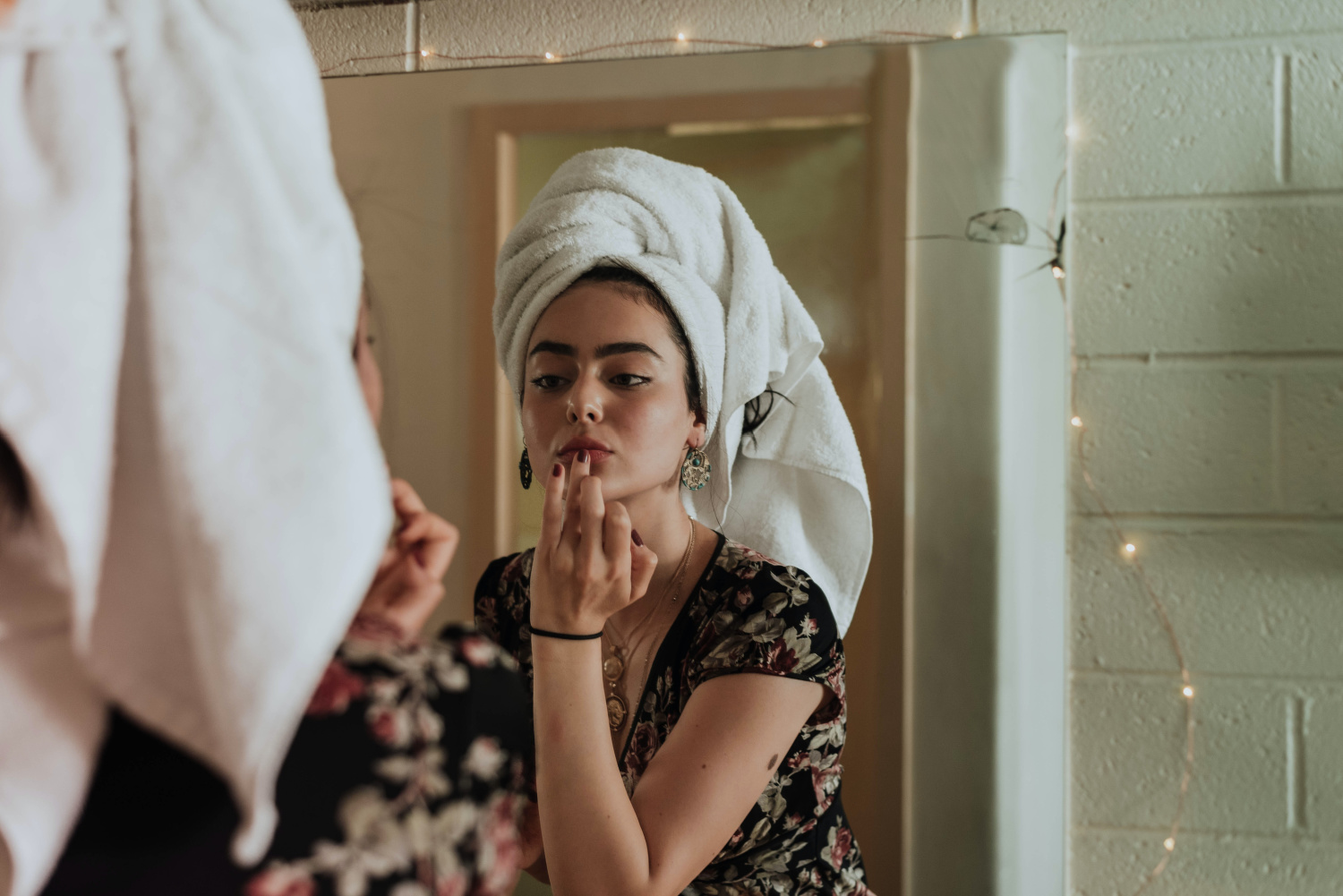
In a city like St. Louis, where professional life and social events take the centre stage, it’s not unusual to start noticing small changes in the mirror. A faint line that lingers between your brows. Forehead creases that stay even when your face is relaxed. At first, it feels minor. Then it becomes something you can’t quite ignore.

If you’ve been curious about Botox but hesitant to book that first appointment, you’re not alone. Most first-timers aren’t chasing dramatic change. They just want to soften something that’s starting to bother them.
Before you schedule anything, here are six honest things worth understanding.
1. Botox Is About Relaxing Muscles, Not Filling Lines
One of the biggest misconceptions is that Botox “fills” wrinkles. It doesn’t.
Botox works by temporarily relaxing specific facial muscles. When those muscles contract less forcefully, the overlying skin begins to smooth out. That’s why it’s most effective for dynamic wrinkles — the lines formed by repeated expressions such as frowning, squinting, or raising your brows.
Static lines — the ones visible even when your face is completely at rest — may soften gradually with consistent treatment, but they typically do not disappear overnight. The distinction between dynamic and static wrinkles is essential for setting realistic expectations.
People researching Botox in St. Louis often learn during consultation that wrinkle type plays a significant role in treatment outcomes. Experienced providers carefully evaluate whether lines are primarily muscle-driven or related to volume loss or skin texture changes. Clinics such as St. Louis Skin Solutions assess facial movement, skin elasticity, and how frequently expression lines remain visible at rest before recommending a personalised treatment plan.
In some cases, neuromodulators alone are appropriate. In others, providers may discuss combining Botox with dermal fillers, laser skin resurfacing, or medical-grade skincare to address structural concerns more effectively.
Understanding how Botox works removes much of the uncertainty. The goal isn’t to “freeze” your face — it’s to gently calm specific muscle movements while preserving natural expression.
2. Results Are Subtle When Done Correctly
If your biggest worry is looking “overdone,” that’s completely fair.
Good Botox shouldn’t be obvious. Friends may say you look rested or refreshed. They shouldn’t be able to point to a specific change.
The goal isn’t stiffness. It’s softening in intensity. Forehead lines become less etched. The “11” lines between the brows ease. Crow’s feet fade when you smile.
In practice, the difference often feels more internal than dramatic. You may notice you’re no longer distracted by that crease in photos. That’s usually the sign of balanced dosing.
Subtle is intentional.
3. It’s Temporary — and That’s Actually a Good Thing
Botox typically lasts three to four months, depending on metabolism and muscle strength.
For first-timers, that temporary nature offers reassurance. You’re not committing to a permanent change. If you love the results, you can maintain them. If you decide it’s not for you, the effects gradually wear off.
There’s comfort in that flexibility.
Some people worry that stopping Botox will make wrinkles worse. It won’t. Your muscles simply regain normal activity over time. The ageing process continues at its natural pace.
Temporary doesn’t mean insignificant. It means adjustable.
4. Timing Matters More Than Age
A common question is, “Am I too young for Botox?”
There isn’t a universal age. What matters is the presence of lines that remain visible when your face is at rest, or repetitive movements that are starting to etch deeper creases.
Some people begin in their late twenties for preventative reasons. Others wait until their forties when lines feel more defined.
The right time is less about birthdays and more about pattern recognition. If you’ve noticed the same crease settling in over months or years, that’s usually when people begin exploring options.
It’s a personal threshold, not a number.
5. The Appointment Is Quicker Than You Think
Many first-time clients are surprised by how straightforward the appointment feels.
Treatment itself often takes about 10 to 15 minutes. A few small injections in targeted areas. Mild discomfort at most. No anaesthesia required.
Afterwards, you can typically return to normal activities with minimal restrictions. You may be advised to avoid intense workouts or lying flat for a few hours, but there’s rarely any significant downtime.
You won’t see results immediately. It usually takes three to seven days to notice softening, with full results visible around two weeks. Patience is part of the process.
6. Provider Experience Makes a Noticeable Difference
Technique matters. Dosing matters. Placement matters.
The same product can create dramatically different outcomes depending on the injector’s understanding of facial anatomy. Injecting too low on the forehead can affect brow position. Uneven dosing can create an imbalance.
This is why consultation is more than a formality. A skilled provider studies how your muscles move before deciding where and how much to inject.
From experience, patients who prioritise injector expertise over convenience tend to feel more confident afterwards. A natural result usually reflects thoughtful planning. Your face isn’t a template. It’s individual.
Conclusion
Thinking about Botox for the first time often comes with mixed emotions — curiosity, hesitation, maybe a little scepticism. That’s normal.
The key is understanding what it does, what it doesn’t do, and how subtle the outcome can be when approached thoughtfully. Botoxisn’t about erasing personality. It’s about softening patterns that no longer reflect how you feel inside.
If you’ve been considering it quietly for a while, gathering clear information is the first step. And clarity tends to replace anxiety.
Sometimes the smallest adjustments create the greatest sense of ease when you look in the mirror.
This is a collaborative post.