The Power Of Being Ready: Why Family Safety Starts Before Anything Happens
You probably have heard someone say it before. “That kind of thing doesn’t happen here.” Or maybe, “We’ll be fine, it’s only a short trip.” We often say things like this without meaning to ignore the risks. We’re not intentionally being reckless, but life is busy. Kids need shoes, lunch boxes, hair brushing, the whole lot. The last thing we want to do is picture something scary happening. Yet that’s the strange thing about safety, the moments that matter most often happen quietly in the background, long before anything goes wrong.
The Small Things That Make a Big Difference
When we think about keeping our families safe, we tend to picture big events. Accidents, emergencies, or scary “what ifs”. But being prepared starts with the little, boring things that barely register. It’s the extra bottle of water in the car. The copy of a passport kept somewhere safe. The first aid kit that isn’t just for show and doesn’t contain outdated contents.
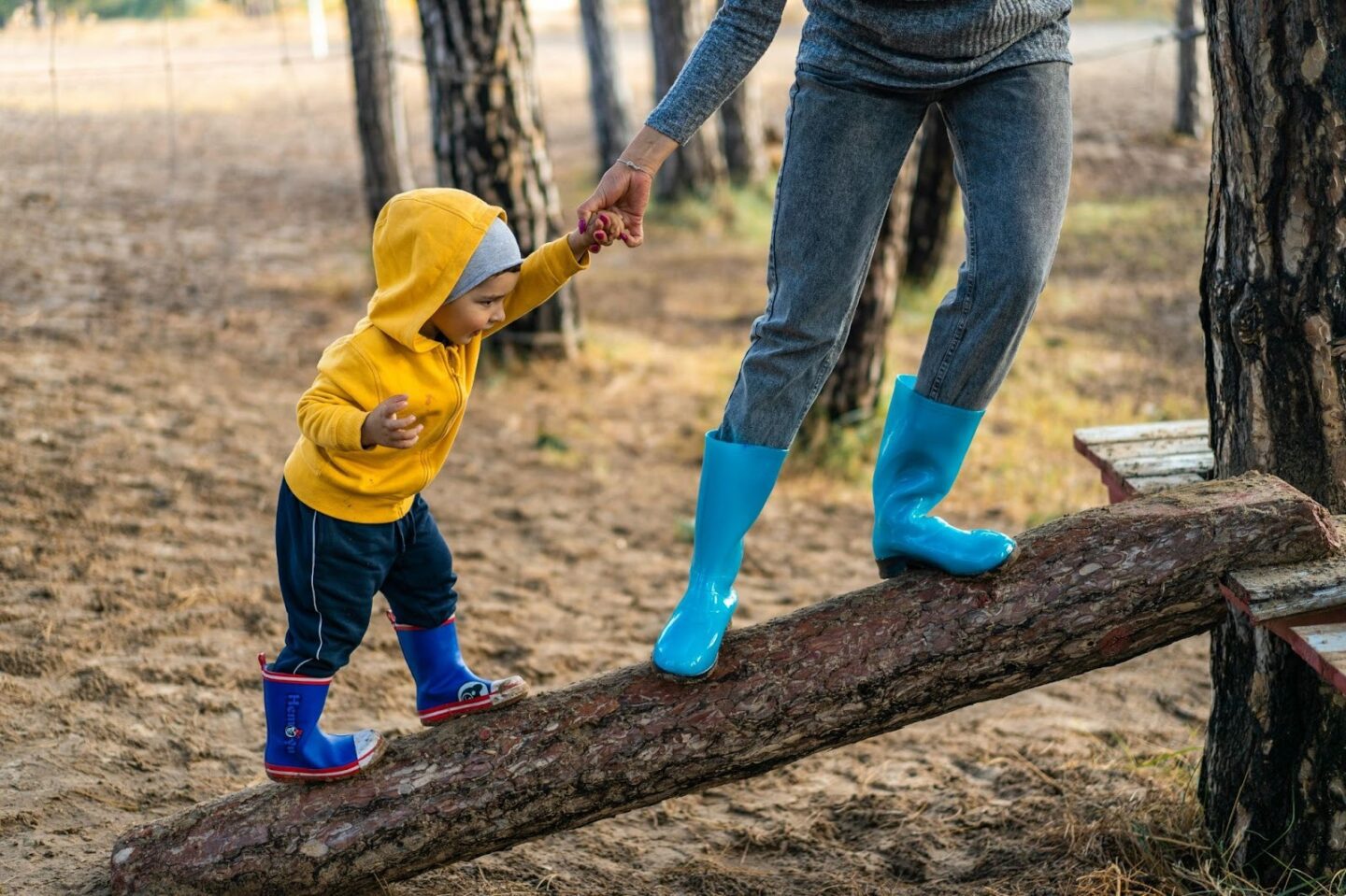
Children see more than we think. When we prepare quietly and calmly, they learn control. It becomes part of how they see the world. Safety stops being something that lives in a panic and becomes something built into normal days. It doesn’t mean living in fear. It means understanding that care and readiness go hand in hand.
Why Parents Avoid Talking About Safety
There’s an odd guilt that creeps in when parents talk about emergencies. Almost as if imagining something might make it happen. We tell ourselves that being carefree is healthier. Less stressful. That too much worrying spoils all the fun. But readiness isn’t about worrying. It’s love in the ‘thinking ahead’ form.
Packing a small medical kit for a family picnic doesn’t ruin the mood. It simply means that if something does happen, you’ll handle it without the extra panic. The focus stays where it should be, on helping, not scrambling when something goes wrong.
Kids learn a lot from how we react. If we freeze, they freeze. If we act, they learn that acting with what people do and should do. It’s a pretty powerful thing to model for them.
Travel Safety in a Real Family World
Travelling with kids is simply chaos in motion; of course, it depends very much on your temperament and their age, but typically it’s a bit of a whirlwind that feels a bit like a reality TV show. Something will spill, someone will forget something, and someone will take a tumble and pick up a scratch or two. That’s normal. But when you have a response primed and ready when these things happen, the chaos feels different and contained.
Knowing where the local pharmacy is. Having a small kit in your backpack. Keeping the hotel’s emergency contact details written down. These are small acts, but they save stress and panic later.
Why Readiness is a Kind of Confidence
Readiness builds a kind of quiet confidence that sticks. It’s not about controlling everything. It’s about being flexible because you’ve already done the thinking. We often tell children to plan ahead. To pack their bags the night before school. To remember their coats in winter. Yet, as adults, we often forget to take our own advice.
There’s something grounding about knowing you’ve done what you can. You might not be able to prevent every scrape or scare, but you’ve stacked the odds a little more in your family’s favour. That sense of control, however small, can make a long day or a long journey feel so much lighter.
The Things You Hope You Never Need
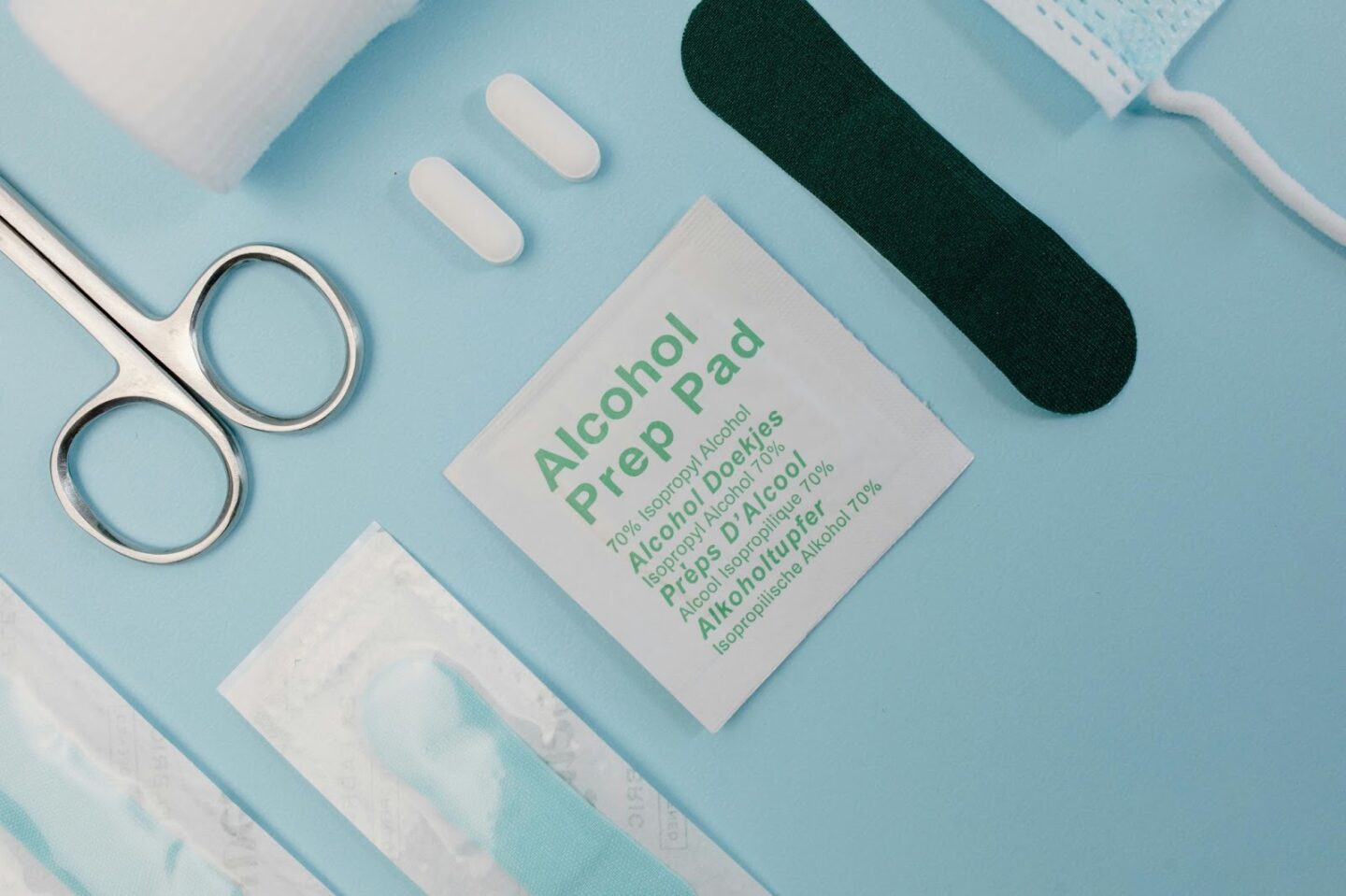
There are movements that change how you see preparedness. A car accident nearby. A friend’s child who chokes at a barbecue. A stranger who faints at the playground. None of us plans for those things to happen. But we can be prepared for them when they happen. It’s easy to underestimate how powerful a small act of readiness can be. Knowing basic first aid. Having the right supplies nearby. Keeping your phone charged. These are the kind of details that feel small until they’re not. That’s where having professional first aid kits comes in. It’s not about expecting the worst, but choosing not to be helpless if something unexpected happens. Because helping your child, or even someone else’s, in a moment of need is one of the most human things you can do.
Making Safety Part of Everyday Life
The word ‘preparedness’ can sound so stiff and formal. But it’s really just about weaving safety into all of the things you’re already doing. Keep a small first aid kit in the car, not because you’re expecting trouble, but because life happens. Replace old medicines once a year. Show your children what each item is for, even if they roll their eyes. Make it a family habit to check that things are in date before the summer holidays. One day, they’ll be adults who won’t panic when things go wrong. They’ll know what to do. And that’ll be because they paid attention to how you did things.
Preparedness as a Form of Love
If you think about it, readiness is an act of kindness. It’s quiet, unseen, and sometimes a bit inconvenient. But it’s love that shows up early. We buy sun hats to stop sunburn. We pack snacks to avoid meltdowns. We teach road safety before they cross alone. It’s all part of the same instinct. To care enough to prepare. When we look at it that way, safety stops being a chore and becomes another way of saying, “I’ve got you.” No one ever wants to use a first aid kit. No one wants to face an emergency. But the truth is, being ready makes life lighter. It gives you the freedom to enjoy the messy, wonderful chaos of parenting without the fear lurking in the background.
The world will always have surprises. Some are lovely. Some not so much. But if we can meet those moments with calm and readiness, we give our children something better than constant protection. We make them resilient. Being prepared doesn’t mean living in fear. It means choosing confidence over chaos. And in a world that can feel uncertain, that’s one of the most reassuring gifts we can give to our loved ones.
This is a collaborative post.