Maui – The Island Life We Keep Fantasising About
Picture this: cerulean waves lapping against golden shores, mountains cloaked in mist and emerald vegetation, and a pace of life that gently reminds you there’s more to existence than deadlines and commutes.
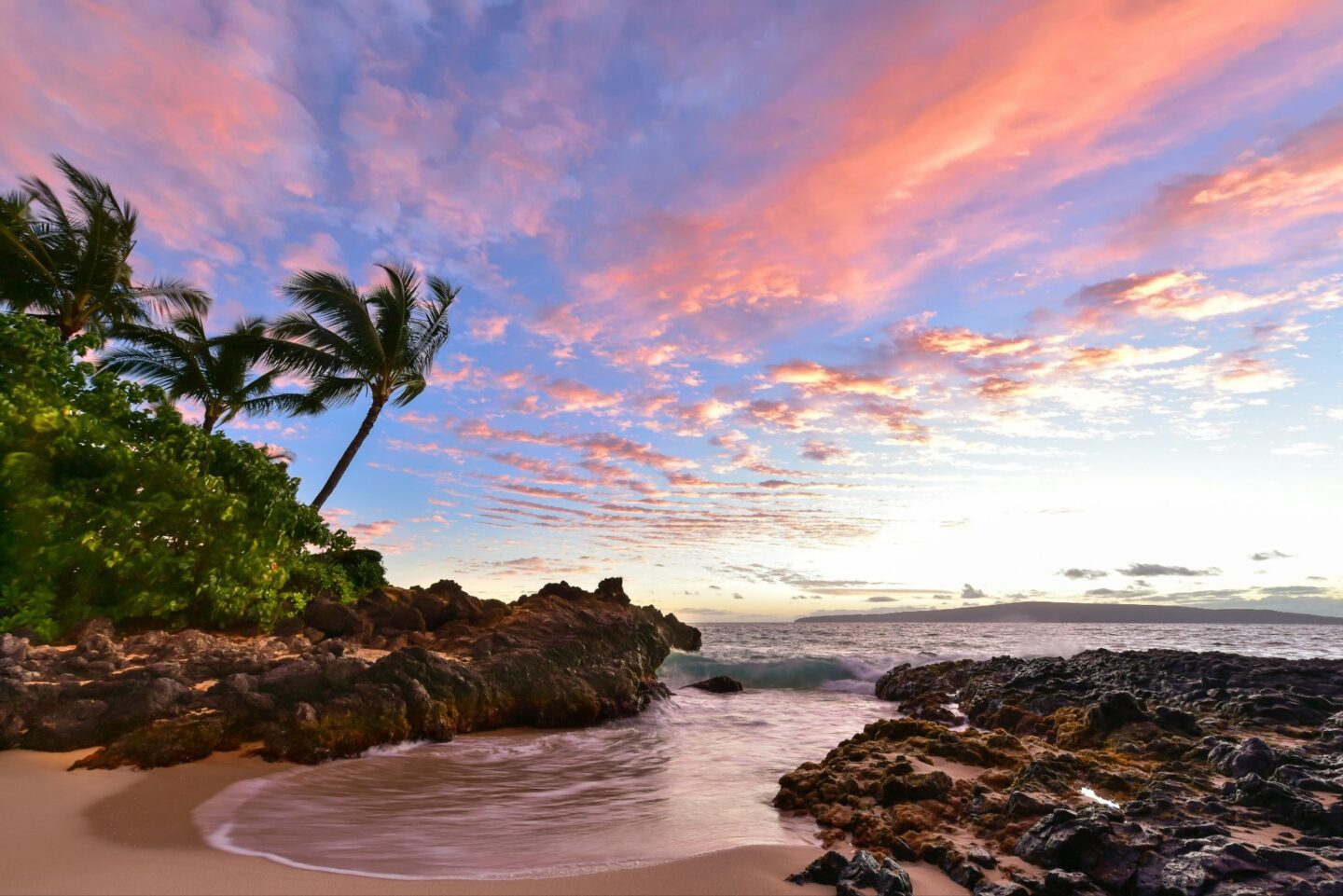
Maui embodies the kind of existence many of us scroll past wistfully on our phones, bookmarking images of sun-drenched beaches and tropical sunsets for “someday.” But what if that daydream could become your everyday reality?
This Hawaiian island, the second largest in the archipelago, has long held a magnetic pull for those seeking something beyond the ordinary.
Maui County is home to 164,522 residents, a blend of locals, transplants, and those who simply couldn’t bring themselves to leave after a holiday. The island’s appeal isn’t just aesthetic; it’s woven into the very fabric of daily life here.
Why the Island Lifestyle Captivates Us
The slowed-down, low-stress island lifestyle gives Hawaiians a major health advantage, with less than one-third of Hawaiian residents saying they’re stressed out on any given day, making them the least-stressed state population in the country. When you consider that most Americans spend their days juggling endless to-do lists and fighting traffic, the contrast becomes stark.
The health benefits extend far beyond stress reduction.
Hawaii has the longest life expectancy at 82.5 years, compared to 78.6 years nationally, and researchers attribute this partly to the culture of outdoor activity, fresh seafood-rich diets, and strong community connections that characterise island living.
Making the Move: Practical Realities
Of course, transforming a fantasy into reality requires more than rose-tinted glasses. Anyone seriously considering relocating needs to understand what island life truly entails. The logistics alone can feel overwhelming: shipping belongings across an ocean, finding housing in a competitive market, and navigating a cost of living that sits considerably above the national average.
This is precisely where planning becomes essential. Wailea Movers are known as a top choice service for those coordinating inter-island moves or mainland-to-Hawaii relocations, handling everything from packing services to coordinating ferry transport between islands. The company has built a reputation for understanding the unique challenges of Hawaiian moves, whether residential or commercial.
Maui’s natural beauty is world-renowned, but the cost of living here can be a stark contrast, driven by demand and limited inventory for housing as well as increased daily expenses for groceries, dining, and transportation. Single adults should realistically budget between $4,500 and $6,000 monthly, with housing representing the most significant expense.
Yet despite these financial realities, something about island life continues to draw people. Perhaps it’s the year-round temperate climate, or the way outdoor activities become second nature rather than scheduled events.
People tend to eat better and exercise more in Hawaii, with more than 60 per cent of Hawaiians exercising regularly, second only to Alaska.
The Cultural Shift
Moving to Maui isn’t simply a change of address; it’s a complete lifestyle recalibration. The concept of “island time” permeates everything, from business hours to social interactions and community expectations. Mainlanders often find this adjustment challenging initially, accustomed as they are to the rapid pace and constant connectivity of urban life.
The concept of “island time” is indicative of Hawaii’s emphasis on intention and equilibrium, with a cultural perspective on work-life balance that is more relaxed and reduced emphasis on maintaining constant productivity, helping alleviate chronic stress which is a substantial contributor to conditions such as hypertension and heart disease.
The Hawaiian concept of ohana, or family, extends beyond blood relations.
Hawaii’s deep-rooted sense of ohana fosters strong community ties, with tight-knit families often encompassing multiple generations, fostering a supportive environment that mitigates feelings of isolation and loneliness, while emotional bonds within communities improve mental health and are associated with longer lifespans.
This cultural framework means newcomers must approach integration with respect and genuine interest in learning rather than attempting to transplant mainland expectations. Attending local farmers’ markets, participating in community cleanups, and learning basic Hawaiian phrases demonstrate commitment to becoming part of the fabric rather than merely a temporary resident.
The Day-to-Day Reality
What does ordinary life actually look like on Maui? Mornings might begin with a sunrise swim rather than a gym session. Lunch breaks could involve snorkelling instead of scrolling through social media. Weekends revolve around hiking volcanic landscapes or exploring hidden waterfalls rather than shopping malls.
The median household income of Maui County households was $97,161, suggesting that while the cost of living remains high, many residents find ways to sustain themselves. The job market leans heavily toward hospitality and tourism sectors, though healthcare and construction also offer stable employment opportunities.
The trade-offs become obvious quickly. Amazon deliveries take longer. Certain brands or products simply aren’t available. Spontaneous mainland trips require planning and expense. Yet ask most island residents whether they’d trade their life for convenience, and the answer typically remains a resounding no.
Is Paradise Worth Pursuing?
The fantasy of island life persists because it represents something fundamental: a different way of prioritising what matters. In a world increasingly dominated by screens, schedules, and stress, Maui offers an alternative—one where nature, community, and wellbeing take centre stage.
This doesn’t mean the island provides an escape from reality or responsibility. Bills still need paying, careers require attention, and challenges arise just as they do anywhere else. The difference lies in context, in waking to ocean breezes rather than traffic noise, in measuring success by sunset quality rather than inbox zero.
For those willing to embrace both the practical challenges and the profound lifestyle shifts, Maui represents not just a beautiful backdrop but a fundamentally different approach to daily existence. The fantasy endures because, for some, it’s not fantasy at all—it’s simply life, lived with intention, surrounded by natural beauty, and grounded in community.
Whether this particular version of paradise suits you depends entirely on what you value most: convenience and familiarity, or transformation and tropical trade winds. Only you can decide which call resonates louder. But one thing remains certain: Maui will continue casting its spell on dreamers, inviting them to consider whether someday might become today.
This is a collaborative post.