How to Have a Good-Looking Garden All Year Round
Want your garden to look immaculate and be fun to spend time in, whether it’s snowing or the sun is shining brightly? Here’s what you need to do.
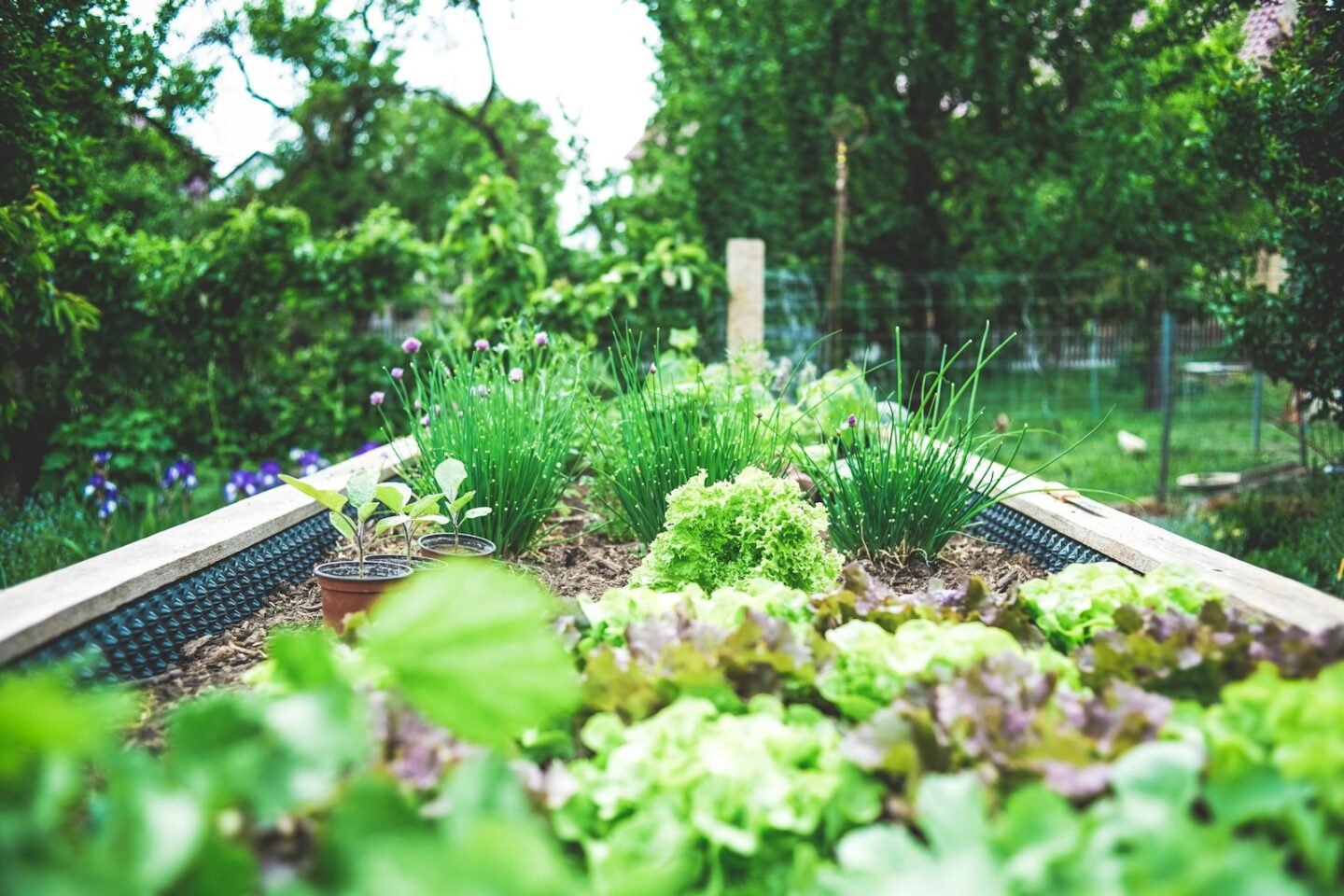
1. Embrace the Power of Planning
If you want your garden to look great at any time of the year, the first thing you are going to want to do is to plan it! Work out whether you want to keep that rose bush that has been there since you moved in, if your lawn has seen better days and you want to replant it, whether you want a BBQ area, and so on. Once you know what you want, it will be easier to organise your planting, pruning and maintenance tasks for the right time of the year and in such a way to make it as efficient as possible.
Plants are one thing, but don’t forget the additions. Things like the right lighting, garden furniture, and maybe a nice parasol can really make your garden shine in a way it can only shine when you curate it yourself.
2. Plant for All Seasons
Okay, so you absolutely don’t need a million different plants to ensure that your garden looks beautiful all year round but you do need a good mix of plants and flowers that will peak at different times of the year…
Spring Showstoppers: Think daffodils, tulips, and crocuses. They provide that jolt of cheer after a long, grey winter.
Summer Sizzlers: Roses, geraniums, and lavender. If you’re feeling fancy, throw in some ornamental grasses that sway oh-so-majestically in a summer breeze.
Autumn Beauties: Japanese maples, asters, and sedums. They offer a riot of colour before the cold weather sets in.
Winter Wonders: Winter jasmine, holly, and snowdrops. These hardy troopers prove that your garden doesn’t have to go into total hibernation.
By diversifying your plant choices, you’ll have something interesting going on at any time of year!
3. The Summer Lawn Care Schedule (and Why It Matters)
Ah, the lawn—a source of both pride and frustration. In the UK, summer can be a bit of a roller coaster (heatwave one day, drizzle the next), but your grass will be going gangbusters regardless. Set up a simple summer lawn care schedule to keep it looking like a bowling green (or at least something close to it).
Weekly Mowing: Yes, we said weekly. Aim to keep the grass around 2.5 to 4 cm (that’s about an inch or two). Too short, and you stress the lawn; too long, and it starts resembling a small jungle where mysterious creatures could be lurking.
Water Wisely: If there’s no rain in sight (which is rare but can happen), give your lawn a deep soak once or twice a week rather than daily sprinkles. This encourages roots to grow deeper, making your grass more drought-tolerant.
Feed the Green: A slow-release fertiliser in spring and a lighter feed in early summer can keep your lawn lush. Overdoing it can lead to fast, weak growth that’s more susceptible to disease, so read the labels like you’re deciphering the Da Vinci Code.
Weed Control: Weeds are the gate-crashers of the lawn world. Spot-treat them early on or use a combined weed-and-feed product (just don’t go crazy and nuke your entire lawn).
Following this simple schedule helps ensure that come August, you’re not battling a weedy, patchy eyesore—but rather lounging in your deckchair with a smug grin, admiring your uniform sea of green.
4. Watering 101: Timing is Everything
It’s easy to assume that plants need constant watering. In reality, watering your garden is a bit like making a decent cup of tea—too much or too little can ruin the whole thing. A general rule is to water deeply but less frequently. This trains roots to grow deeper, helping plants withstand dry spells (because if you’re a UK gardener, you know how unpredictable the summer can be).
Morning vs Evening: Watering in the early morning or late afternoon is best, as midday sun evaporates water faster than you can say “soggy socks.”
Mulching Matters: Spread a layer of mulch (compost, bark chippings, or even leaf mould) around plants to help retain moisture and keep roots cool. Bonus: it also discourages weeds, those persistent pests.
5. The Art of Tidying (Without Exhausting Yourself)
If you’re not keen on spending every weekend up to your elbows in compost, you’ll want a maintenance strategy that’s realistic and, dare we say it, mildly enjoyable. Here are a few quick tricks:
Deadheading: Snip off spent blooms to encourage more flowers. Roses, petunias, and many annuals appreciate a tidy-up. This simple act can be oddly therapeutic—plus, it’s a quick job if you keep on top of it.
Pruning: Some shrubs and perennials need a haircut now and again. Prune in the correct season (for many plants, that’s late winter or early spring, but do double-check) to encourage new growth.
Weeding Little and Often: Instead of letting weeds get to the stage where they need their own postcode, tackle them bit by bit. A 10-minute daily wander with a hoe or hand fork can save you a massive back-breaking session later.
6. Winter Workarounds (Because Plants Need TLC Too)
Just because it’s chilly doesn’t mean your garden goes into complete lockdown. Some tasks are best tackled in winter when plants are dormant:
Soil Prep: Dig in compost or well-rotted manure to improve soil structure. It’ll be ready to work wonders by spring.
Protect Delicates: Wrap tender plants with horticultural fleece or bubble wrap. If you’ve got containers, move them to a sheltered spot or even indoors if they’re truly fragile.
Tool TLC: Winter’s the perfect time to give your tools a bit of attention. Sharpen, oil, and store them properly so they’re ready to go once the mercury starts to climb. No one wants to fight with a rusty pair of shears when the first daffodils appear.
7. Imperfection is Part of the Charm
Let’s get real for a moment: no garden is flawless. Your lawn might have a patch of stubborn clover, your roses might occasionally decide to stage a blackspot revolt, and your tomatoes might not always grow to that “perfect Instagram” standard. That’s life—and that’s gardening!
Often, the most enchanting gardens are the ones with character: the slightly off-centre trellis, the herb patch that’s taken on a life of its own, the sunflowers that tower like triumphant aliens. Embrace these quirks. They make your garden uniquely yours, and let’s face it, it’s far less stressful than trying to maintain a state of perpetual perfection.
Now your outdoor space really will be a garden for all seasons!
This is a collaborative post.