How to Create a Safe and Secure Home for Your Family
Your home should be a place where you and your family feel completely safe, relaxed, and at ease. It’s where memories are made, where you unwind at the end of the day, and where your children should feel protected and secure. But creating a safe home isn’t just about locking the doors at night – it’s about taking thoughtful steps to protect both your physical safety and your emotional well-being.
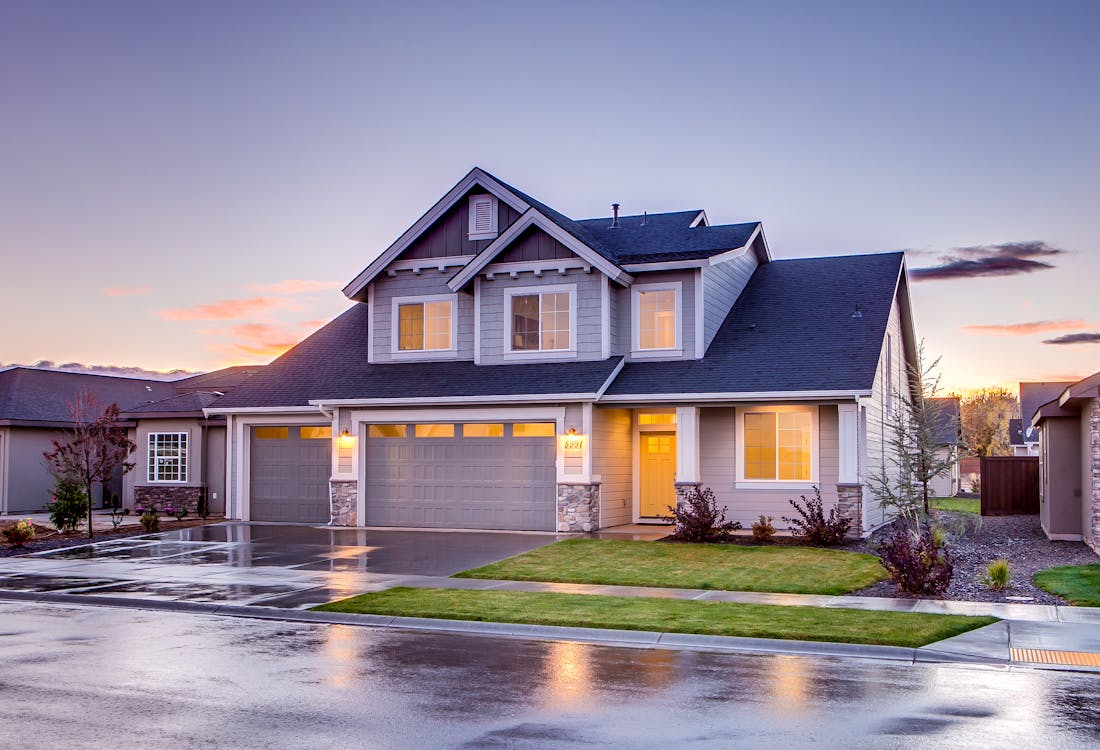
The good news is that creating a safer home doesn’t have to be complicated or overwhelming. By focusing on a few key areas, you can build a space that offers both protection and peace of mind for everyone who lives there.
In this guide, we’ll explore some simple but effective ways to make your home a safer place for the people you love.
Security
One of the most important aspects of home safety is security. Knowing that your home is protected from potential intruders can make a huge difference to how comfortable you feel day to day.
A great place to start is by installing security cameras around your property. These allow you to monitor who is coming and going, giving you a clear view of any activity outside your home. Not only can this provide reassurance, but visible cameras can also act as a strong deterrent to unwanted visitors.
If you want to take things a step further, investing in a full home alarm system is well worth considering. Modern systems can alert you instantly if something isn’t right, whether you’re at home or away. Many can also be connected to your phone, giving you real-time updates and extra control over your home’s safety.
Even small steps, such as ensuring doors and windows have secure locks and using outdoor lighting, can significantly improve your home’s overall security. Placing convex mirrors at blind spots around your driveway or entrance can also extend your line of sight to areas that cameras alone may not fully cover.
Fenced Garden
If you have children, creating a safe outdoor space is just as important as securing the inside of your home. A fenced garden provides a clear boundary, helping to prevent little ones from wandering off or getting into unsafe situations.
Children are naturally curious and often unaware of potential dangers. Without a secure boundary, it’s all too easy for them to stray further than intended or interact with strangers. A well-maintained fence helps give you peace of mind, allowing your children to play freely while staying within a safe and controlled environment.
It’s also worth regularly checking gates and fencing for any damage or gaps, ensuring that your outdoor space remains as secure as possible.
Fire and Carbon Monoxide Safety
Another essential area that’s often overlooked is protection against fire and carbon monoxide. These risks are less visible but incredibly important to guard against.
Make sure you have working smoke alarms on every level of your home, and test them regularly to ensure they’re functioning properly. It’s also wise to install carbon monoxide detectors, particularly near bedrooms and fuel-burning appliances.
Simple habits can make a big difference too – avoid overloading sockets, keep flammable items away from heat sources, and never leave cooking unattended. Having a basic fire escape plan that everyone in the household understands can also provide extra peace of mind.
Reducing Everyday Hazards
Many accidents at home happen during everyday routines, so it’s important to think about smaller risks as well.
Keep walkways clear of clutter to prevent trips and falls, secure heavy furniture to walls to avoid tipping, and use safety gates if you have younger children. In the kitchen, store sharp objects and cleaning products out of reach, and consider using cupboard locks where needed.
Bathrooms can also be hazard-prone areas, so adding non-slip mats and ensuring good lighting can help reduce the risk of slips and falls.
These small adjustments might seem simple, but together they create a much safer environment for everyone.
Calming Area
Safety isn’t only about physical protection – emotional safety plays a huge role in creating a happy home environment too. Having a designated calming area can make a big difference, especially for children (and adults!) who sometimes feel overwhelmed.
This space doesn’t need to be elaborate. It could be a cosy corner with soft furnishings, favourite books, or calming activities. The key is to create a space that feels peaceful, supportive, and free from pressure.
Encouraging your family to use this space when they’re feeling stressed or emotional can help them process their feelings in a healthy way. Over time, this builds resilience, emotional awareness, and a stronger sense of security within the home.
Creating a Home That Feels Safe Every Day
Creating a safe home is about combining practical measures with a nurturing environment. By taking the time to make these changes, you’re not just protecting your home – you’re creating a space where your family can truly relax, grow, and feel secure every single day.
This is a collaborative post.