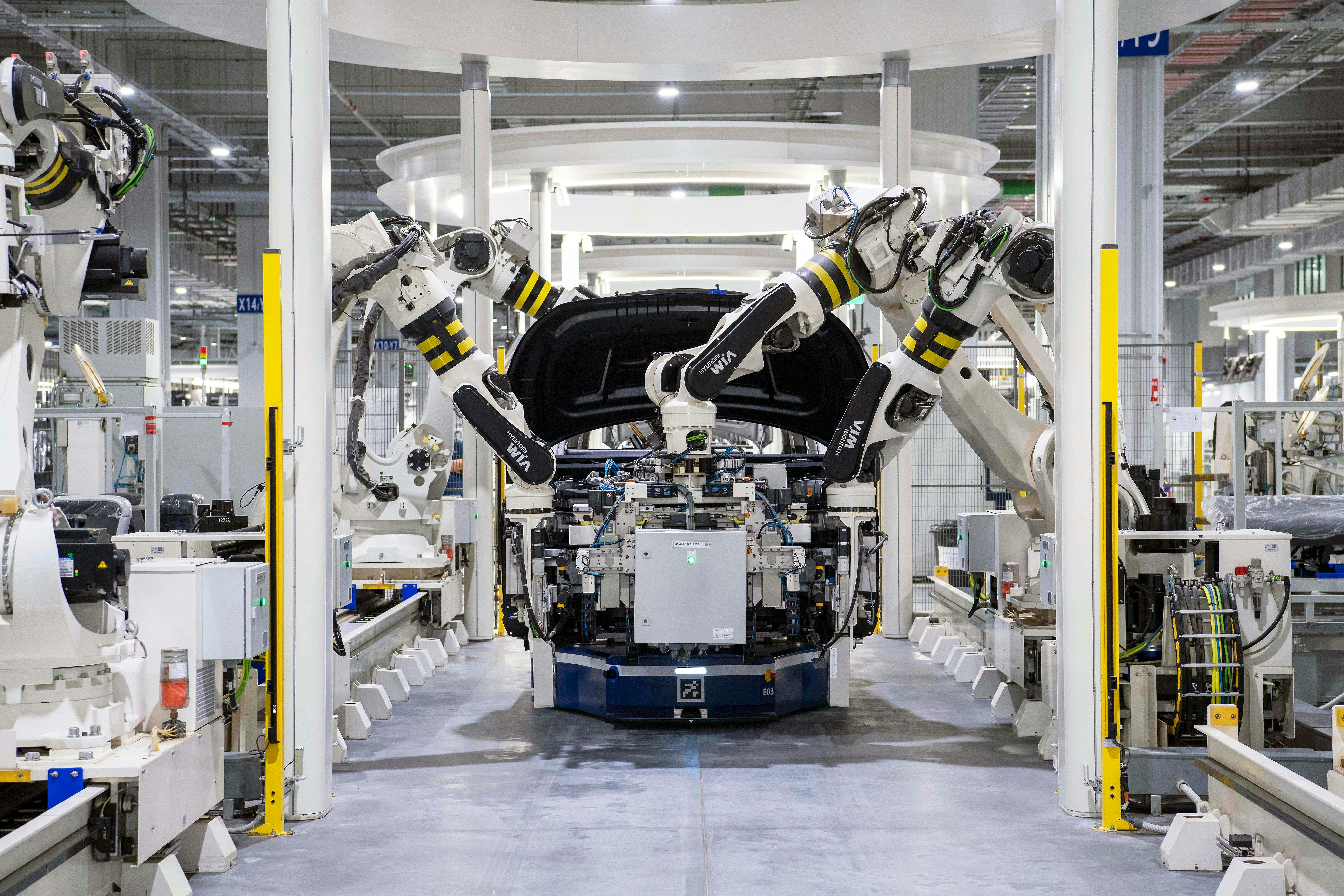
How Smart Equipment Is Driving Profit Margins in Manufacturing
In the current manufacturing landscape, speed and accuracy are no longer bonuses—they’re non-negotiables. As competition intensifies and customer demands grow more specific, businesses can’t afford inefficiencies or breakdowns in the production line. The difference between a 5% and a 15% profit margin often comes down to how well your equipment supports your strategy, not just your output.
Smart equipment is now rewriting manufacturing rules.
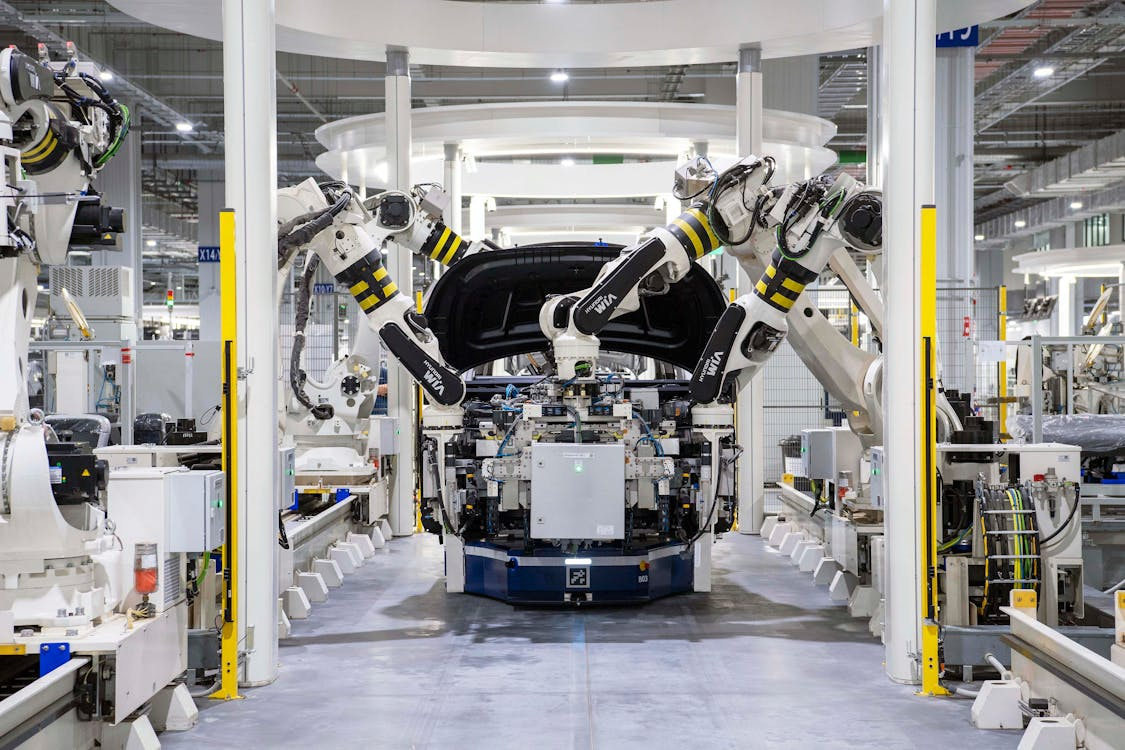
Beyond Automation: Intelligent Systems That Think With You
The evolution from traditional machinery to smart systems isn’t simply about replacing manual labour. Today’s equipment is embedded with sensors, real-time analytics, and adaptive controls. These are responsive ecosystem machines designed to align with lean manufacturing principles and operational goals.
Instead of guessing what’s going wrong when there’s a dip in output, smart machines identify the source, adjust parameters on the fly, and even notify maintenance teams before a fault leads to downtime. Predictive diagnostics save costs upfront—but more importantly, they prevent the slow leak of inefficiency.
The Real ROI: Time, Waste, and Precision
Smart machinery directly addresses three silent profit-killers: excess time, material waste, and inconsistent precision.
For instance, take filling lines in beverage or liquid-processing plants. Even small miscalculations in fill levels can cause losses across thousands of units per day. In this space, the Gallon Water Filling Machine stands out—not for its complexity, but for how precisely and quickly it operates. Anchored in sensor-based controls and volumetric accuracy, it eliminates the usual overfills and underfills that chip away at margins. That precision at scale adds up significantly when producing at high volumes.
Cross-Platform Integration: Less Guesswork, More Control
The best smart equipment today doesn’t work in silos. Instead, it communicates seamlessly across MES (Manufacturing Execution Systems), ERP software, and quality assurance tools. This interoperability turns the entire factory floor into a networked system where production metrics, machine health, and material flows are tracked and optimised in real-time.
Instead of spending hours pulling reports, managers get actionable dashboards. Bottlenecks no longer go unnoticed for weeks—they’re flagged within hours. It’s a shift from reactive management to proactive decision-making, and the profit impact is substantial.
Talent Reallocation
One often-overlooked benefit of smart machinery is what it does for your workforce. When your equipment handles precision tasks and self-diagnostics, your teams can refocus on areas that need human intelligence: optimisation, innovation, and design thinking.
This leads to leaner teams doing more impactful work, not layoffs, but role elevation. And that culture shift has a lasting effect on performance and retention.
Final Thought: Margins Aren’t Made on the Floor Alone
Manufacturing profit doesn’t begin or end with the production line. But the role of that line has grown far beyond just output—it now sets the tone for agility, responsiveness, and sustainability across the business. Smart equipment, when strategically deployed, doesn’t just reduce costs; it becomes a tool for faster pivots, clearer insights, and long-term scalability.
The manufacturers who see this shift not as an upgrade but as a core business strategy will be the ones defining their industries, not catching up to them.
This is a collaborative post.