Feeding Your Bunny Fruit: Can Rabbits Eat Grapes?
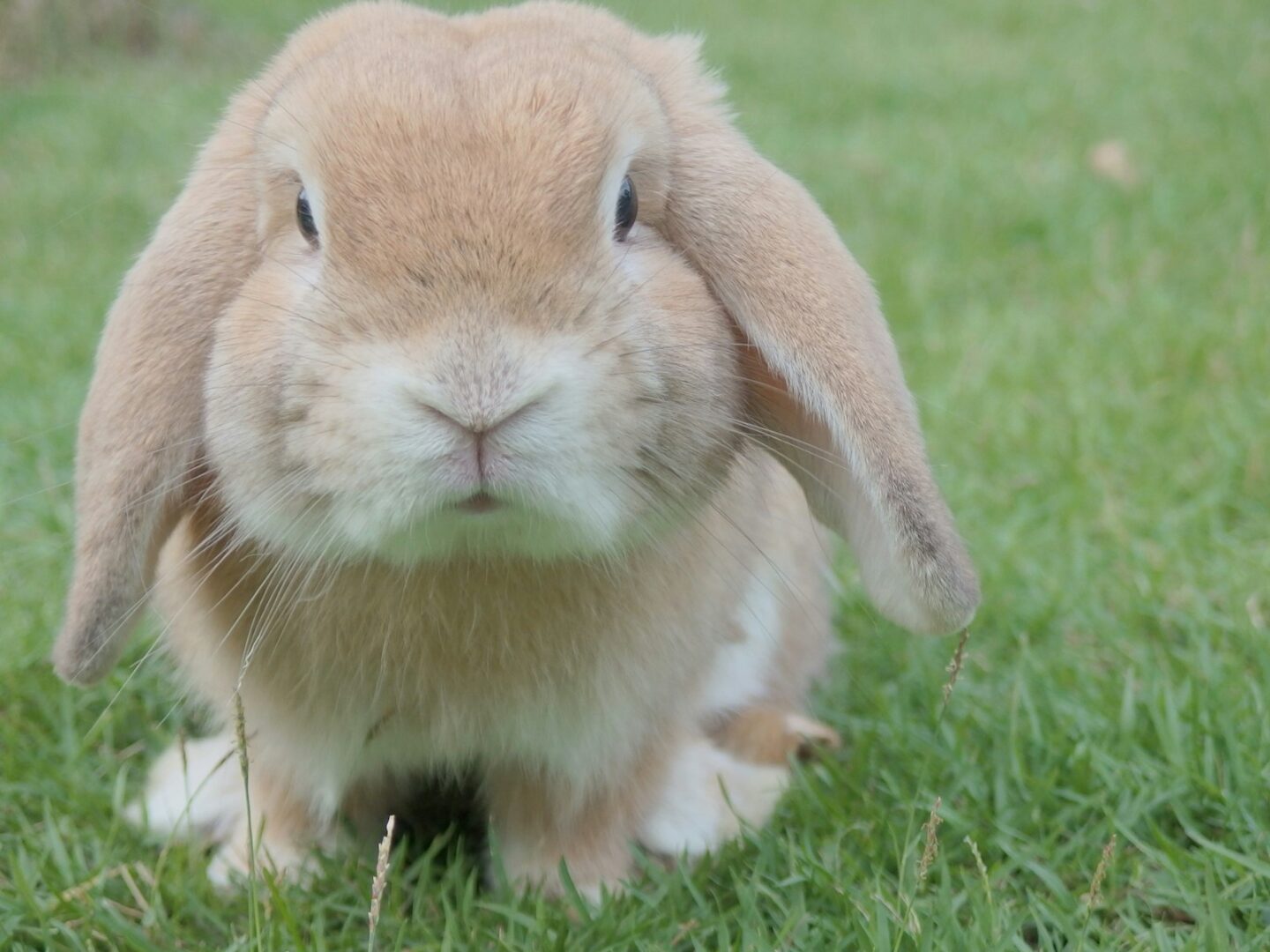
Last year we adopted a rabbit after she was found in a local woods and was taken to a vet near us.
I’d had rabbits before when I was young and loved having them, so we’d been thinking about potentially getting one or two at some point, so I did lots of research so that I was prepared, but still went into it not realising that she would be more work than both my cat and dog combined, and have more of a fiery temper than me after a bad nights’ sleep!

Rabbits can make great pets, but they do require a lot of care and consideration and they can be moody! Our Clover seemed incredibly friendly at the vets and everyone there raved about how lovely she was – however! Although we love her very much, she isn’t the friendliest bunny and likes to bite us and dive at us if she doesn’t want us to come near her!
We are hoping to adopt a boy bunny for her (she’s neutered) to give her some company and make her happier (and not hate us so much!!).
Anyway, since getting her I have Googled often to check whether she can eat something and whether certain fruits and veg are any good for her, and this post looks into whether grapes, in particular, are safe for rabbits to eat and whether they have any benefits for them.
Can Rabbits Eat Grapes?
Rabbits are delightful, curious creatures with unique dietary needs. As a responsible rabbit owner, you may have wondered if feeding your pet bunny new food, such as grapes, is a good idea. While fresh fruits like grapes can sometimes be offered in a rabbit’s diet as an occasional treat and they do have some health benefits, it’s essential to understand the impact they can have on your rabbit’s digestive system and overall health.
Understanding a Rabbit’s Diet
To ensure your rabbit thrives, you need to provide them with a well-balanced diet. The best diet for a pet rabbit primarily consists of fresh hay, such as timothy hay or meadow hay, which provides high levels of fibre essential for their digestive health. Fresh leafy greens like dandelion leaves, carrot tops, and other safe plants are also crucial. Rabbit pellets and fresh water round out the core components of a healthy diet.
Wild rabbits have access to fresh stuff like grass, grape vines, and other natural vegetation, which keeps their diet diverse yet balanced. However, domestic rabbits rely on their owners to provide suitable food choices. Rabbit owners must carefully select what goes into their pet’s diet to avoid digestive upset or health problems.
Grapes and Rabbits: Is It a Good Idea?
Can rabbits eat grapes? Yes, rabbits can eat both green and red grapes but only in very small amounts and as an occasional treat. Grapes are not toxic to rabbits, but they are high in sugar content, which can be problematic if consumed in large quantities. Feeding your rabbit grapes as part of a balanced diet requires careful consideration and you shouldn’t give your rabbit too much fruit of any kind.
Here are some things to keep in mind:
1. Nutritional Content of Grapes
- Grapes have a high water content and are rich in vitamin C, making them a refreshing snack. However, they also contain a lot of sugar, which can lead to digestive problems like soft poo or gastrointestinal upset in rabbits.
- While the sugar content in grapes is natural, rabbits’ stomachs are not designed to handle high levels of sugar.
2. Portion Control
- Always feed your rabbit grapes in small pieces. A general rule is to give very small amounts—just one or two grapes for an adult rabbit at a time. This ensures that your pet bunny doesn’t consume too much sugar, which can upset their digestive system. It does also depend on their body weight—larger rabbits may be able to handle a little more.
3. Potential Risks
- Digestive Issues: Overfeeding fruit treats like grapes can lead to gut stasis, a potentially life-threatening condition where the rabbit’s digestive system slows down.
- Dental Disease: Rabbits with a sweet tooth may prefer sugary treats over essential high-fibre foods, increasing the risk of dental disease.
- Choking Hazard: Always cut grapes into small pieces to avoid the seeds or whole fruit becoming a choking hazard.
How to Introduce Grapes to Your Rabbit
If it’s your rabbit’s first time trying grapes, take it slow. Here’s a step-by-step guide:
- Start Small: Offer a tiny piece of grape (about the size of your fingernail) and monitor your rabbit for any signs of an upset stomach or soft poo.
- Observe Behaviour: Watch for any signs of abdominal pain, changes in appetite, or unusual behaviour. These could indicate digestive problems.
- Keep It Infrequent: Limit grape treats to no more than once or twice a week. Fresh vegetables and leafy green vegetables should remain the primary source of fresh food.
- Avoid Grape Seeds: If using commercial grapes, remove the seeds of grapes as they can pose a choking hazard and may be difficult for your rabbit’s digestion.
- Include Grape Leaves: If you grow grape vines or have access to fresh grape leaves or grape stems, these can be a good choice for a rabbit’s diet. Grape leaves are a good source of fibre and low in sugar, making them a safer option than the fruit itself.
Grapes and Baby Rabbits
Baby rabbits (or young rabbits) have even more sensitive digestive systems than adult rabbits. Feeding baby rabbits fresh fruits like grapes is not recommended. Instead, focus on providing alfalfa hay, which is rich in calcium and protein to support their growth, along with fresh water and rabbit pellets. Introducing new food too early can lead to digestive upset and health problems in baby rabbits.
Alternatives to Grapes for Rabbit Treats
If you’re looking for safe fruits and fresh food options for your rabbit, consider these alternatives:
- Fresh Leafy Greens: Dandelion leaves, fresh grass, and other safe leafy green vegetables are always a great way to add variety to your rabbit’s diet.
- Root Vegetables: Carrot tops can be given occasionally, but root vegetables like carrots themselves should also be limited due to their sugar content.
- Other Safe Fruits: Blueberries, strawberries, and apple slices (without seeds) are good choices for rabbit treats in small quantities.
Tips for Rabbit Owners
- Focus on Fibre: High levels of fibre from fresh hay and leafy greens are essential for maintaining your rabbit’s digestion and preventing issues like gut stasis.
- Avoid Dairy and Human Treats: Dairy products and other human foods like sunflower seeds are not suitable for rabbits.
- Stay on the Safe Side: When in doubt, consult a list of foods safe for rabbits or speak with your veterinarian to confirm if a particular food is a good choice.
- Provide Fresh Water: Ensure your rabbit always has access to clean, fresh water, whether in water bottles or bowls.
- Monitor for Health Problems: Watch for signs of digestive upset, such as soft poo or reduced appetite, and adjust your pet’s diet accordingly.
While rabbits can eat grapes, they should only be offered as an occasional treat in very small amounts. The sugar content of grapes makes them a less-than-ideal choice for regular inclusion in your rabbit’s diet. Instead, focus on providing high-fibre foods like timothy hay, fresh vegetables, and fresh leafy greens to support your rabbit’s stomach and overall health. You can try a different type of hay if your furry friend doesn’t seem keen on a particular one, but introduce it slowly.
Rabbit owners who understand their pet’s dietary needs will be better equipped to prevent digestive issues and promote a long, happy life for their furry friends. Always keep in mind that fresh hay and a balanced diet are the keys to maintaining your rabbit’s digestion and avoiding health problems. Grapes can be a part of that—just remember, moderation is crucial.