Encouraging Kindness: Teaching Children to Be Generous
Kindness is one of those qualities that is easy to wish for in a child and harder to cultivate in practice. It cannot be insisted upon, and it does not respond well to instruction. Like most things worth growing, it tends to flourish in the right conditions and to wither under pressure.
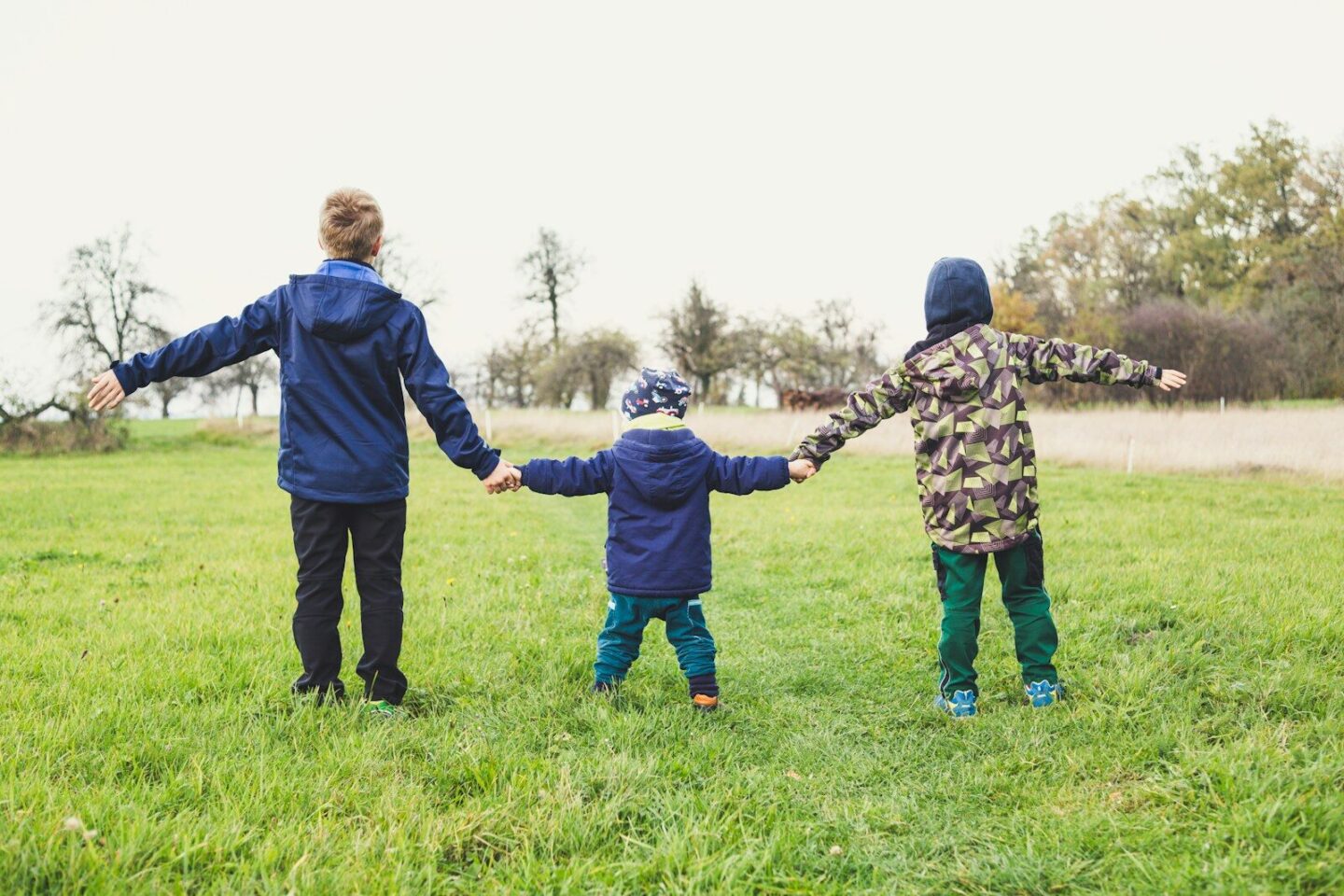
Children are not born unkind. They are born interested in the world and naturally responsive to those around them. What changes things, sometimes very early on, is the example they see and the responses they receive. A child who watches the adults in their life act with consistent warmth, who is shown how to share rather than told to, and who is praised for noticing other people’s feelings, tends to grow into a person for whom kindness is second nature.
Generosity in particular benefits from being made visible. A child who watches a parent give time to a neighbour, share food, or speak warmly about a friend who is struggling, absorbs the lesson without anyone having to say a word. It also helps to talk openly about why something kind is being done. Explaining that a parcel is being put together for a family who needs help, or that an old toy is being passed on to someone who would love it, makes the principle concrete.
Schools play a real part in this work too. A nurturing primary school environment can be a place where children learn to look out for one another in small, daily ways. Older children helping younger ones, classmates noticing when someone is sad, and teachers modelling patience and respect all weave a culture of kindness into the fabric of a school day. The Unicorn School in Richmond is one example of a primary school that takes this side of education seriously, building it into the way classrooms run rather than treating it as an add-on.
There is sometimes a worry, particularly with sensitive children, that emphasising kindness too strongly can tip into something less healthy. A child who feels responsible for everyone else’s feelings can lose track of their own needs. The remedy is not less kindness but a fuller version of it. Children benefit from learning that kindness includes how they speak to themselves, that it is reasonable to say no, and that being kind does not mean being available to everyone at all times.
Generosity also extends beyond material things. Time, attention, and patience are some of the most valuable gifts a person can offer. Helping children notice the kindness in small acts, such as a friend waiting while they finish their work, or a parent listening without interruption, sharpens their own ability to give in the same way. Over time, this kind of awareness becomes a habit. It shapes the way a child handles a falling-out, the way they treat a younger sibling, and the way they greet the world.
Children who grow up surrounded by kindness and who are given gentle opportunities to practise it tend to carry that quality with them throughout their lives. It is not a substitute for academic learning or independence. It sits alongside them, quietly making everything else easier.
For more on a school that places character alongside academic learning, visit https://unicornschool.org.uk.
Author Bio
The Unicorn School is an independent co-educational primary school in Kew, Richmond, educating children from age three to eleven. The school is known for its warm, child-centred ethos and creative approach to learning.
This is a collaborative post.