Dog Shaking Explained: When It’s Harmless and When to Worry
If you’ve spent enough time around dogs, you’ve probably seen it. That sudden shiver. A full-body tremble that shows up out of nowhere, then disappears just as quickly. It can feel confusing, especially when everything else seems normal. Sometimes it happens during play, other times when the room is quiet, which only adds to the uncertainty.
The truth is, shaking in dogs isn’t always a sign of something wrong. But it isn’t something to ignore either. Context matters. Timing matters. And often, it’s the small details that help you understand what’s really going on. A quick shake might mean nothing at all, or it could be a subtle signal worth noticing.
Here’s how to make sense of it without overthinking every little movement.
1. The “I’m Just Excited” Shake
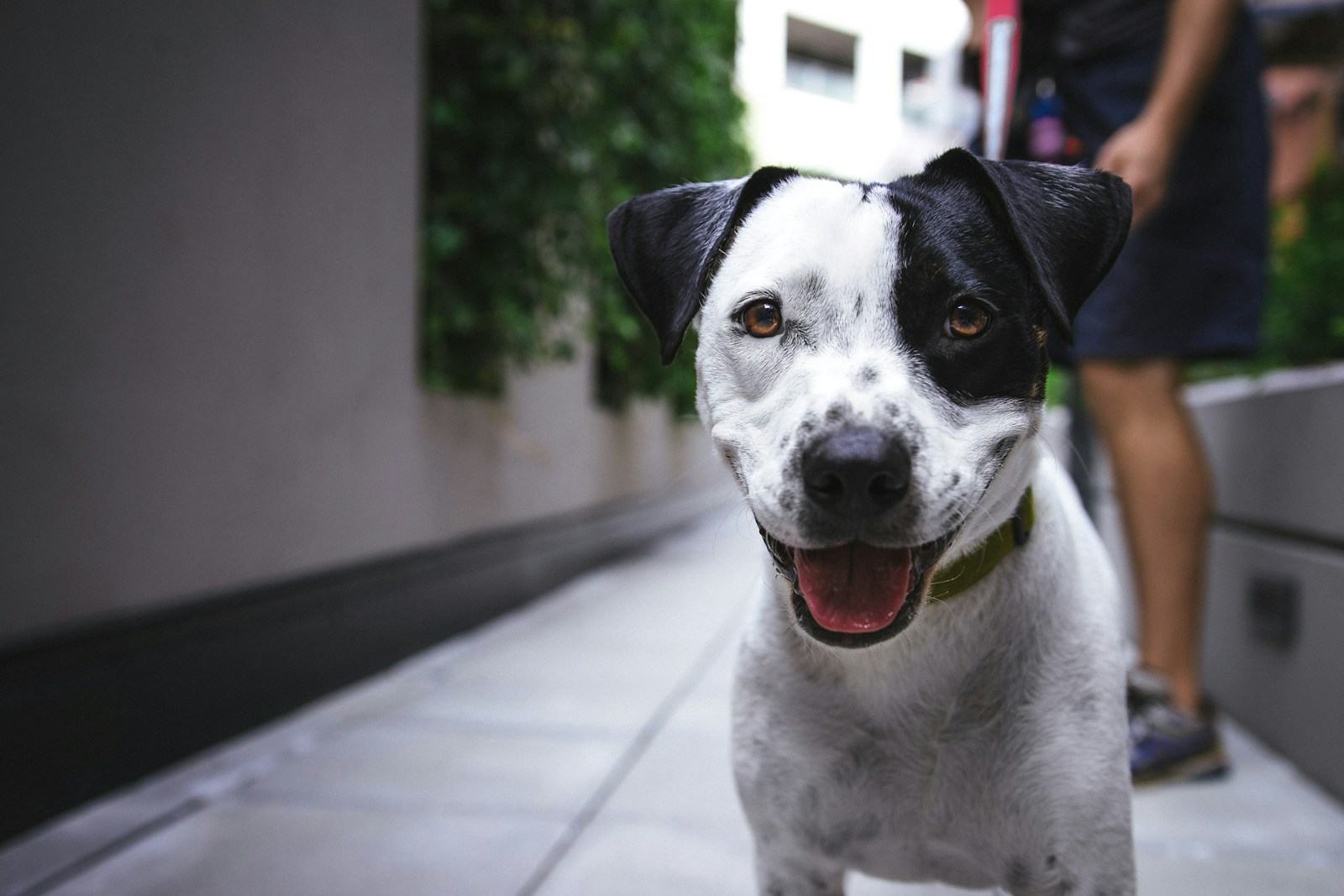
Some dogs shake because they’re overwhelmed with excitement. It happens before walks, during play, or when you’ve just walked through the door after being gone all day.
It’s not subtle. You’ll see wagging tails, bright eyes, maybe a little jumping around. The shaking is just energy spilling over.
In moments like this, there’s usually nothing to worry about. It passes quickly once the excitement settles. You might notice it more in certain breeds or younger dogs who haven’t quite learned how to regulate that burst of energy yet.
Still, it helps to observe patterns. If shaking only happens during high-energy moments and disappears right after, it’s likely just emotional overflow.
2. Cold Weather and Small Bodies
Dogs get cold, too. Especially smaller breeds or those with short coats. You’ll notice a tighter, more controlled shiver, similar to how humans react to cold air. It might happen during walks on chilly mornings or even indoors if the temperature drops enough.
This kind of shaking tends to stop once the dog warms up. A blanket, a sweater, or simply moving to a warmer spot usually does the trick. If it continues even in a comfortable environment, then it’s worth looking a bit deeper.
3. Stress, Anxiety, and Subtle Triggers
Not all shaking is obvious in its cause. Sometimes it’s tied to stress, and that stress isn’t always loud or visible. A vet visit. A new environment. Loud noises like fireworks or thunderstorms. Even small shifts in routine can trigger trembling. Dogs don’t always show anxiety the way we expect. Some go quiet. Others shake. If you’re unsure what might be behind it, going through resources like ‘why is my dog shaking’ can help connect these behaviours with triggers you might not have considered.
In some cases, ongoing shaking may also link back to discomfort or inflammation that isn’t immediately visible. Approaches like red light therapy are sometimes explored to support recovery, as they work by stimulating cellular energy and helping reduce inflammation over time. Within that space, MedCoVet is positioned as a veterinary-grade, at-home PBM device designed for guided use under professional supervision, reflecting how care is gradually extending beyond clinic visits into more consistent, managed routines.
4. Pain That Doesn’t Always Look Like Pain
Here’s where things get a bit more serious. Dogs don’t always show pain in obvious ways. Instead of limping or whining, some will shake. It’s their way of coping with discomfort. It could be something minor, like a sore muscle. Or something more concerning, like an internal issue.
Watch for small signs:
- Reduced appetite
- Less interest in movement
- Changes in posture
- Unusual quietness
If shaking comes along with any of these, it’s worth paying attention. Not panicking. Just paying attention.
5. Digestive Upset and Nausea
Dogs sometimes tremble when they feel nauseous. It’s not always the first thing people associate with stomach issues, but it happens more often than you’d think.
You might also notice drooling, pacing, or a lack of interest in food. In some cases, vomiting follows. In others, it passes without escalation.
This kind of shaking usually comes and goes in waves. If it resolves quickly, it may not be a major concern. But if it keeps returning or gets worse, it’s a sign that something isn’t sitting right internally.
6. Age-Related Tremors
As dogs get older, their bodies change. Muscles weaken, joints stiffen, and sometimes, tremors become part of that process. These shakes tend to be more consistent but less intense. You might notice them when the dog is standing still or trying to maintain balance.
It’s not always something that can be “fixed,” but it can often be managed. Comfortable bedding, supportive care, and regular vet check-ups help maintain quality of life. What matters here is progression. If the shaking suddenly worsens or comes with other symptoms, that’s when it needs closer attention.
7. Medical Conditions That Shouldn’t Be Ignored
There are cases where shaking is tied to more serious underlying issues. Neurological conditions, poisoning, infections, or metabolic disorders can all present with tremors.
These situations usually come with additional warning signs:
- Seizure-like activity
- Loss of coordination
- Excessive lethargy
- Sudden behavioural changes
This kind of shaking feels different. It doesn’t come and go casually. It lingers, intensifies, or appears alongside other concerning symptoms. At that point, waiting it out isn’t the best approach. Getting professional advice becomes necessary.
8. When It’s Time to Actually Worry
There’s a fine line between normal and concerning, and it often comes down to consistency and context.
Ask yourself:
- Is this new behaviour?
- Is it happening more often?
- Is anything else changing?
If the answer to any of those is yes, it’s worth taking seriously. You don’t need to jump to worst-case scenarios. But you also don’t want to dismiss something that could be your dog’s way of asking for help. Sometimes, the safest approach is simply to check.
Dog shaking sits in that gray area between harmless and meaningful. It can be as simple as excitement or as complex as an underlying health issue. The difference isn’t always obvious at first glance. It reveals itself over time, through patterns, small changes, and careful observation.
What matters most is staying aware without becoming overly anxious. Trust what you see, but stay curious about what it might mean. Because in many cases, that small shake is your dog’s way of communicating something worth noticing.
This is a collaborative post.