Why More People Are Choosing to Bring Their Pilates Practice Home
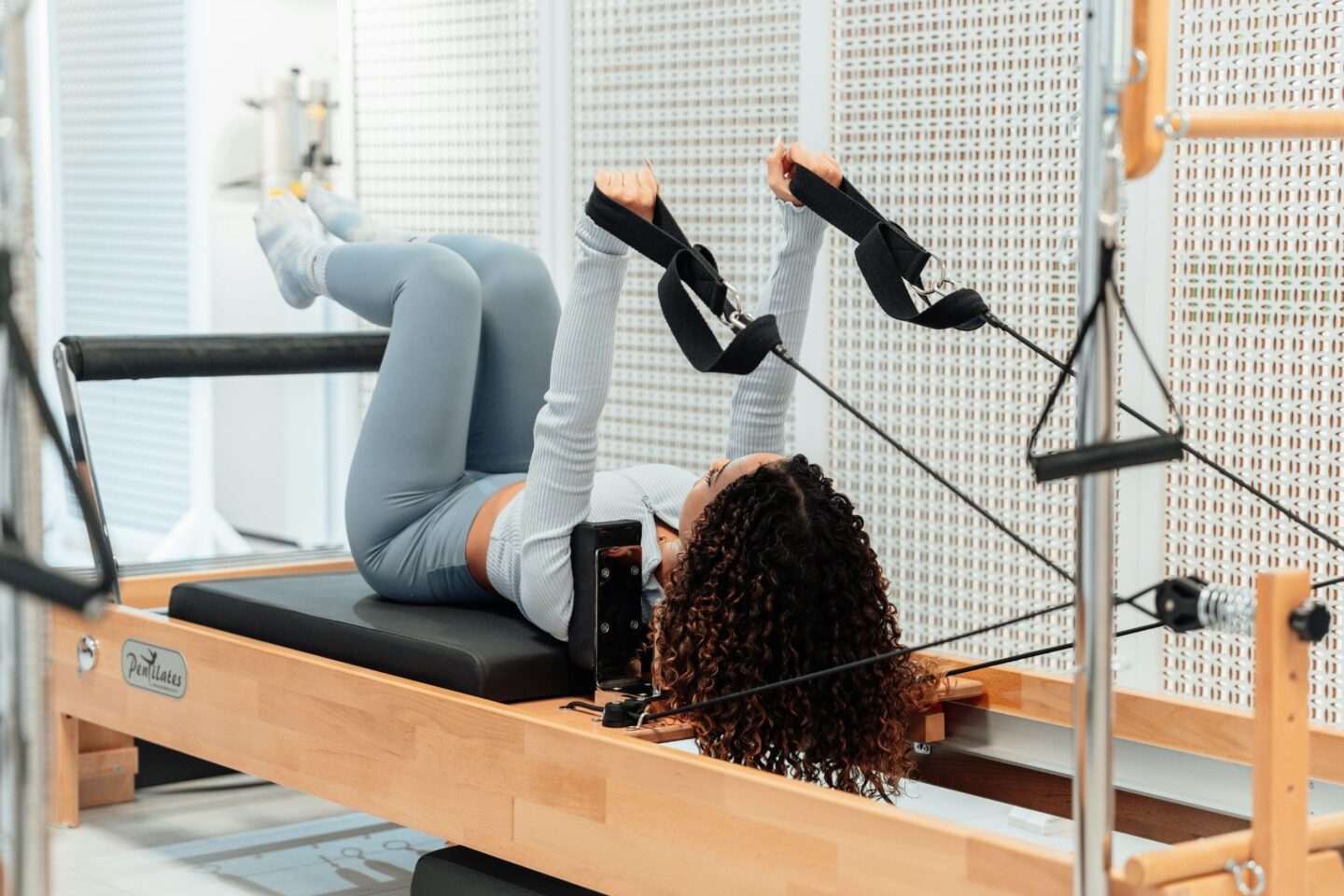
The shift toward mindful, low-impact movement has brought Pilates to the attention of a much wider audience over the past decade. Practitioners at every level are discovering the benefits of controlled movement for core strength, posture, and full-body stability. For those who attend regular classes, having dedicated pilates gym equipment at home extends the practice into daily life, allowing for shorter but more frequent sessions that build on and reinforce classroom learning.
Why Pilates Has Become So Popular
Pilates appeals to a broad range of people precisely because it is not a high-impact, high-intensity discipline. It builds genuine strength and mobility through precise, controlled movements that place minimal strain on the joints. This makes it well-suited to those recovering from injury, older adults looking to maintain functional movement, and athletes who use it as a complement to their primary training. The emphasis on breathing, body awareness, and core engagement also produces benefits that extend beyond physical fitness into mental focus and stress reduction, which has contributed significantly to the mainstream appeal of the practice.
Key Equipment for a Home Pilates Practice
The most versatile and widely used piece of Pilates equipment is the reformer. A reformer uses a sliding carriage and spring-based resistance to support and challenge movement patterns across a wide range of exercises. It can be adjusted to accommodate beginners and advanced practitioners alike, making it a worthwhile long-term investment. For those who prefer a lighter commitment, a high-quality Pilates mat, resistance bands, a small stability ball, and a set of light hand weights can support a comprehensive mat-based practice without requiring significant space or expenditure. Both approaches deliver meaningful results when applied consistently.
Adapting Your Space for Home Practice
Creating a suitable home Pilates environment does not require a dedicated studio. A clear floor area large enough to accommodate a mat and the full extension of your arms and legs is sufficient for mat-based work. Good lighting and adequate ventilation improve the comfort of longer sessions. If you are investing in a reformer, measure the space carefully, as reformers vary in length and width, and you will need clearance on all sides for safe and comfortable use. A quiet environment helps maintain the focus that Pilates requires, so choosing a room away from household noise is worth considering.
The Benefits of Consistency Over Frequency
Pilates is a practice that rewards consistency above all else. Unlike high-intensity training, where sessions need to be spaced further apart to allow for recovery, Pilates can be practised daily with appropriate variation between sessions. A twenty-minute morning session focused on breathing and core activation, followed by a longer reformer or mat session later in the week, is a sustainable rhythm that produces visible results over time. Many practitioners find that regular short sessions are more beneficial than infrequent long ones, as the body learns and adapts most effectively when movement patterns are reinforced regularly.
Pilates as Part of a Broader Fitness Programme
Pilates pairs well with almost every other form of exercise. Runners benefit from the hip stability and glute activation that Pilates develops. Weightlifters find that core strength and postural awareness carry over directly into their lifting technique. Swimmers use Pilates to improve shoulder mobility and breathing control. For anyone whose primary sport or activity creates imbalances or chronic tightness in specific areas, a targeted Pilates practice addresses these issues in a way that passive stretching or foam rolling alone cannot achieve. Adding Pilates to an existing programme enhances rather than replaces it.
Making the Most of Your Home Equipment
Getting the best from home Pilates equipment requires a degree of structure and intention. Rather than picking up equipment and improvising, taking time to develop a programme, or following a structured online course, helps ensure you are practising the movements with correct form and working progressively toward your goals. Many practitioners supplement their home practice with occasional class attendance to receive instructor feedback and learn new exercises. Over time, a home setup built around quality equipment and a thoughtful approach becomes one of the most effective and sustainable ways to maintain a consistent Pilates practice regardless of schedule or season.
This is a collaborative post.