What a Canadian Road Trip Actually Looks Like
There is something irresistible about an open road, especially when it runs through the world’s second-largest country.
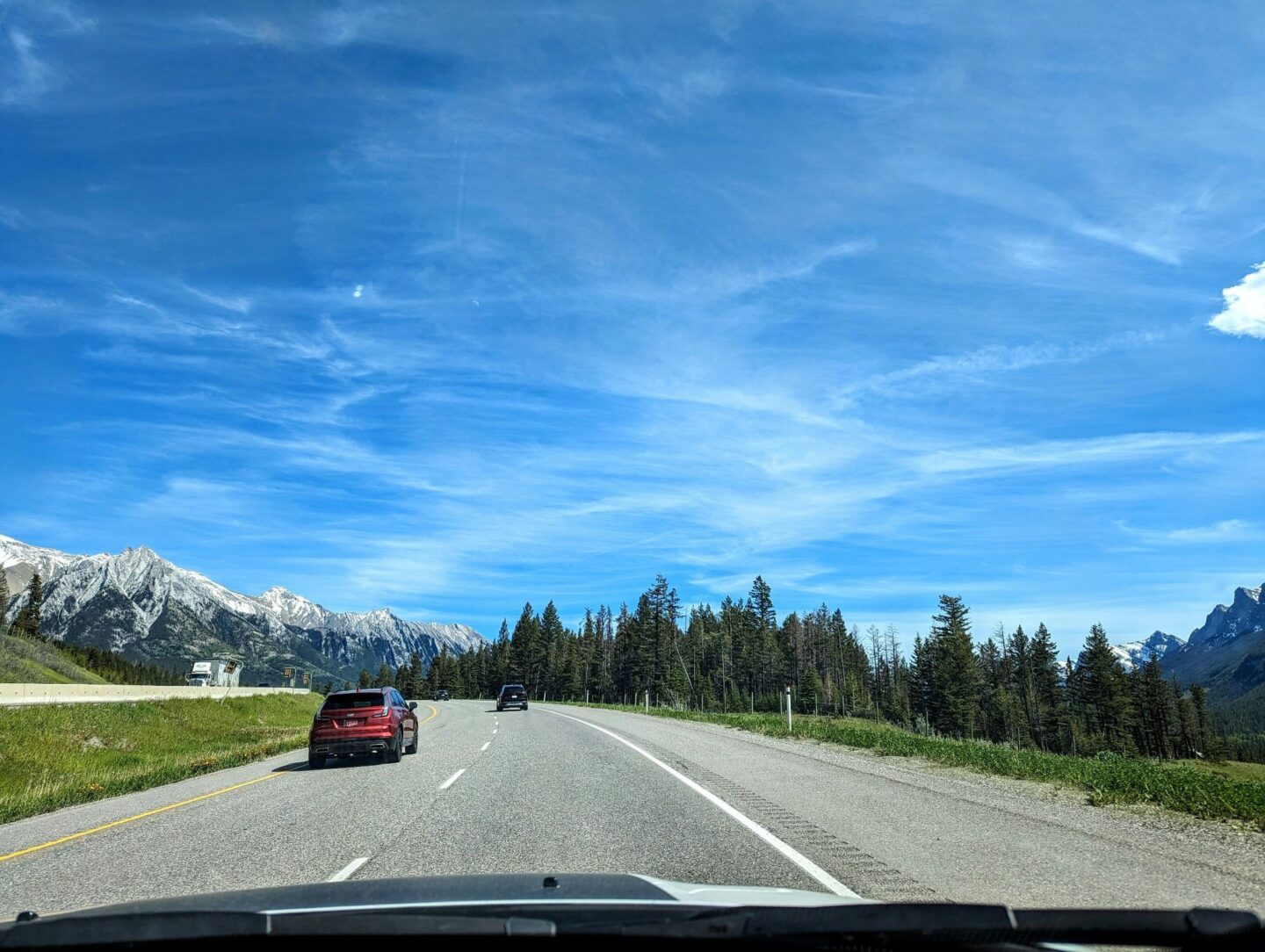
Before my Canadian road trip, I imagined a polished version of the journey: dramatic scenery, charming roadside stops and long, peaceful drives that looked much the same as the photographs I had saved. The reality was longer, wilder and far less predictable.
Once I merged onto the Trans-Canada Highway, I began to understand that the driving was not simply the part between destinations. The windswept lookouts, small-town diners, unexpected detours and hours of changing landscape became the trip itself.
The Scale Took Me by Surprise
In 2020, there were just over 1 million kilometres of public road assets in Canada. I knew Canada was enormous before I arrived, but knowing it and experiencing it from behind the wheel were very different things.
The Trans-Canada Highway is about 8,000 km long and offers diverse landscapes and road conditions, from congested urban freeways to remote wilderness sections.
Many Canadians are interested in seeing the entire country, and driving across Canada is a common way to do it, but planning is essential.
Unless you have two or more drivers, be prepared to spend at least a week and a half on the highway, not including sightseeing stops, as the distances involved are not to be underestimated.
I learned that lesson quickly. Cell service disappeared for hours at a time in Northern Ontario and the British Columbia interior. Gas stations stopped feeling ordinary and became landmarks I was genuinely relieved to reach.
The landscape changed from prairie to forest and then to mountain range, but those transitions happened much more gradually than I expected. A GPS could tell me how many kilometres remained, but it could not communicate how long those kilometres would actually feel.
I Packed for Every Possible Version of the Day
Packing for a Canadian road trip meant preparing for contradictions. I could wake up to frost and finish the day sweating beside a lake three provinces away.
Layered clothing became essential, as did a sturdy cooler filled with snacks and drinks. Some stretches between towns lasted for hours, and I could not assume that the next convenient stop would appear exactly when I needed it.
I also discovered that personal preferences do not disappear just because I am travelling. In some ways, they become more noticeable. Long days in the car, sudden weather changes and differences in regional water affected my hair and skin, while constantly changing accommodation made it harder to maintain my usual routine.
I normally prefer salons that use Davines products, so I had assumed finding the right place during a road trip would require planning and searching through unfamiliar salon websites. Instead, a salon nearby ad appeared on my phone while I was taking a break, and that was really it. I tapped it, found a suitable salon close to my route and arranged a stop without turning it into a complicated mission.
That small discovery mattered more than I expected. People who strongly prefer a certain brand, product type or service standard can worry about finding it away from home. It was reassuring to learn that I did not necessarily have to abandon my preferences simply because I was moving between provinces. A quick salon appointment between long driving days made me feel refreshed and ready to continue.
Three-quarters of Canadian road trippers are likely to take a road trip outside their city or town, and those who pack thoughtfully always fare better.
I also carried a physical map. Digital tools were useful until I entered a dead zone, at which point the paper map became much more than an old-fashioned backup. Knowing that I could still follow my route when my phone stopped cooperating gave me genuine peace of mind.
The Unexpected Stops Became My Favourites
There are 37 national parks and 11 national park reserves in Canada that represent 31 of Canada’s 39 terrestrial natural regions, and visiting even a handful can transform a road trip into something unforgettable.
These wild places, located in every province and territory, range from mountains and plains to boreal forests and tundra to lakes and glaciers, and much more.
Each park felt distinctly different. I stopped trying to treat them as items on a checklist and allowed more time for detours, viewpoints and walks that had not been included in my original plan.
The same was true of the small towns along the highway. I encountered roadside attractions ranging from the world’s largest objects to historical markers commemorating events I had never learned about in school.
Some stops were chosen because I needed food, fuel or a break from driving. Others happened because someone suggested a swimming hole, a breakfast spot or a quieter backroad that did not appear in the usual tourist recommendations.
For those intending to take a road trip, the driving factor for many is the opportunity to reconnect, with 56% saying their destination is a family or friend’s home, followed by an overnight stay in another city or town.
That made sense to me. Personal connections changed the rhythm of the journey. Instead of simply passing through a place, I was occasionally shown how someone actually lived there. Those visits often revealed more than the planned attractions did.
I Stopped Expecting the Weather to Cooperate
Weather on a Canadian road trip did not behave according to any neat itinerary.
In the west, the Trans-Canada Highway crosses the Rocky Mountains and can be dangerous during winter storms. Sometimes the road may even be closed due to snow avalanche risk.
Summer has its own complications, from sudden thunderstorms on the prairies to wildfire smoke that can obscure visibility and close highways without warning.
Spring and fall offer fewer crowds but require flexibility. Road conditions shift daily, and construction season arrives the moment snow melts.
I became accustomed to checking highway reports every morning before leaving. I also kept alternative routes in mind rather than assuming that the route I had selected the night before would remain the best option.
At first, every change felt disruptive. Eventually, I accepted that unpredictability was part of travelling through such a large country. The trip taught me to adjust rather than fight every inconvenience.
My Preferences Followed Me Everywhere
The salon experience was only one example of something I noticed throughout the journey. I had imagined that road travel would turn me into a completely spontaneous person who would accept whatever appeared next. In reality, I remained myself.
I still cared about where I stopped for coffee. I still preferred certain products. I still wanted a comfortable room after a particularly long day, and I still chose familiar foods when I was too tired to experiment.
The difference was that I became better at balancing those preferences with the realities of the road. Sometimes I found exactly what I wanted with a quick phone search or an unexpectedly relevant ad. At other times, I had to accept the closest available option and move on.
That balance made the journey easier. I did not need to plan every detail months in advance, but I also did not need to pretend that convenience, familiarity and personal standards were unimportant.
Long Driving Days Were Not Always Exciting
For those planning a road trip of some kind, 61% highlight that what they enjoy most about a road trip is admiring the scenery along the way.
I felt the same, but not every hour offered a spectacular view. Long stretches through Saskatchewan or Northern Ontario tested my patience, even when I was still enthusiastic about the overall trip.
Podcasts, audiobooks and rotating drivers helped. More importantly, I stopped expecting constant entertainment. Once I accepted the repetitive stretches, they became almost meditative.
The landscape sometimes blurred together, but my mind slowed down. Conversations became longer and more honest because there was nowhere else to be. Silence stopped feeling awkward. The car gradually became a temporary home with its own routines, snacks, playlists and familiar arrangement of belongings.
The Journey Changed How I Thought About Distance
The 2026 summer travel season is poised to be defined by classic road journeys, whether exploring the rugged beauty of British Columbia’s coast, traversing the scenic routes of Eastern Canada, or discovering the charm of small towns in Quebec and Ontario.
My Canadian road trip forced me to slow down and pay attention in a way that air travel never could. I began noticing changes in trees, weather, accents, town layouts and even the products available at ordinary roadside stops.
I also realised that travelling did not require me to leave every personal preference at home. Sometimes the familiar thing I wanted was much easier to find than expected. At other times, the absence of it encouraged me to adapt.
The road was not consistently dramatic, convenient or photogenic. It was tiring in places, quiet in others and frequently surprising. That was what made it memorable.
By the end, Canada no longer felt like a collection of distant cities connected by flights. It felt like a vast sequence of landscapes, communities and small personal discoveries, all connected by the road.
This is a collaborative post.